

A sturdy gate shapes how your home feels from the street. It guards your driveway, frames your yard, and protects what matters most. Gate hinges carry that responsibility every time the gate swings open or closed. When hinges fail, the gate drags, sticks, or leaves gaps, weakening security. Smart homeowners pay attention to hinge type, load rating, and material before problems appear.
Why Gate Hinges Matter at Home
Gate hinges connect the gate panel to its support post and control its movement. They manage weight distribution, resist weather exposure, and support daily use. When homeowners choose the wrong hinge, sagging and misalignment follow quickly. Selecting the right hardware from a trusted brand or local supplier improves safety, durability, and curb appeal.
Structural Support and Load Control
Structural support defines how well a hinge carries the gate’s weight over time. A properly rated hinge distributes force across the mounting points, reducing stress on the posts. When weight concentrates on a weak hinge, the gate begins to lean and scrape the ground. This imbalance often leads to latch failure and frame warping. Homeowners should match hinge capacity to gate material, height, and width. Manufacturers list load ratings in pounds, indicating the maximum weight supported under normal conditions.
Security and Durability Factors
Security depends heavily on hinge strength and design. Exposed hinge pins create opportunities for tampering if they lack non-removable features. Many premium brands include security studs or welded pins for added protection. Weather resistance also affects durability because rust weakens metal over time. Stainless steel and galvanized finishes perform better in humid or coastal regions. Regular inspection and lubrication extend hinge life and reduce long-term repair costs.
Visual Impact and Daily Use
Gate hinges influence appearance as much as performance. Decorative strap hinges add character to farmhouse or rustic homes. Minimalist pivot systems complement modern metal gates with clean lines. Smooth swing action also affects the daily experience for homeowners and guests. A gate that opens quietly signals quality and care. Choosing a hinge style that aligns with your home’s architecture improves overall presentation.
Popular Gate Hinges for Home Use
Every residential gate relies on the right hinge design to function properly. Different hinge types support different gate sizes, materials, and traffic levels. Choosing wisely prevents sagging, misalignment, and premature wear. The following sections explain the most trusted hinge options homeowners install today and why each one works best in specific situations.
Butt Hinges for Light Gate Panels
Butt hinges serve as compact connectors for lightweight residential gates. They resemble standard door hinges but use thicker metal for outdoor durability. Homeowners often install them on narrow wood or vinyl gates. These hinges work best when the gate carries minimal weight and limited daily traffic.
Best Uses for Butt Gate Hinges
Butt hinges fit small garden gates and short side-yard entrances. Their compact design keeps hardware discreet and unobtrusive. This hinge type attaches flush to both gate and post for a tidy look. Homeowners appreciate their simple design and wide availability at hardware stores. However, they struggle with wide or heavy driveway gates. Checking the manufacturer’s load rating prevents premature bending or failure.
Installation and Performance Limits
Proper alignment determines how well butt hinges perform outdoors. Installers must measure carefully to keep the gate level and balanced. This installation process may require shallow recesses, known as mortises, to achieve a flush fit. Outdoor-rated screws reduce corrosion and improve holding strength. Over time, heavy loads can strain the hinge pin, causing it to sag. For heavier structures, homeowners should consider reinforced alternatives.
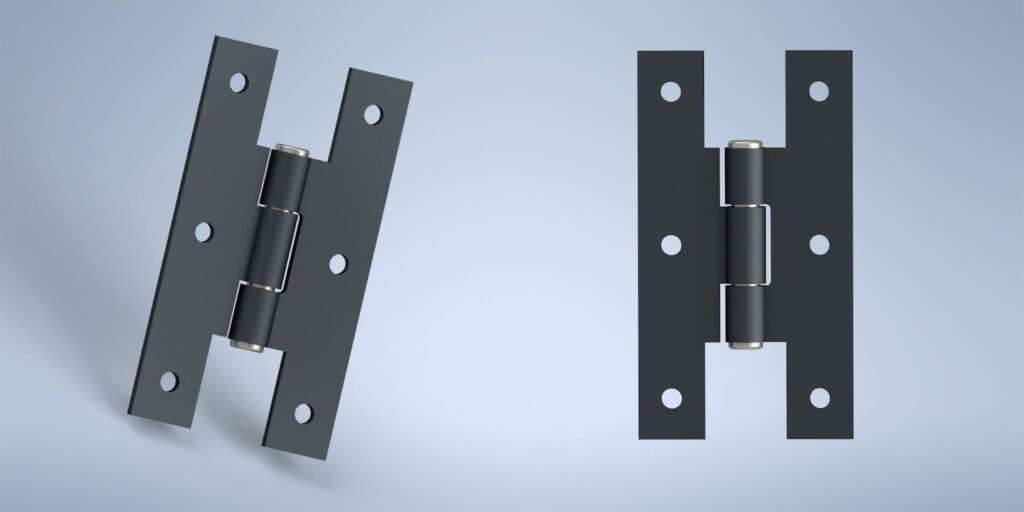
Strap Hinges for Heavy Wood Gates
Strap hinges support large wooden or metal gates through extended mounting plates. Their long arms distribute weight across a broader surface area. Homeowners choose them for driveway entrances and privacy fence gates. These hinges combine strength with a decorative, traditional look.
Strength and Weight Distribution
Strap hinges spread structural stress along the gate’s face. This design reduces concentrated pressure at a single point. As a result, the gate maintains better alignment over time. Thick steel construction increases durability under repeated use. Many models include corrosion-resistant coatings for outdoor protection. For heavy cedar or hardwood gates, strap hinges provide dependable long-term support.
Common Residential Applications
Driveway gates often rely on strap hinges for reliable movement. Wide backyard entrances also benefit from their broader support. This hinge style suits rustic, farmhouse, and craftsman homes particularly well. Decorative ends add character without sacrificing strength. Homeowners in suburban and rural areas often choose them for their durability. Matching hinge size to gate width prevents sagging and uneven gaps.
Maintenance and Weather Protection
Outdoor exposure demands regular inspection of metal components. Homeowners should lubricate hinge pins at least once per year. This maintenance step reduces friction and prevents squeaking. Galvanized and stainless steel finishes resist rust better than untreated steel. Tightening mounting bolts maintains alignment and stability. Consistent care extends service life and protects your investment.
Self-Closing Hinges for Safety Gates
Self-closing hinges automatically return the gate to a closed position after opening. They use internal springs or hydraulic tension systems to create controlled motion. Homeowners install them on pool enclosures and child-safe areas. These hinges help reduce the risk of gates remaining open unintentionally.
How Self-Closing Hinges Work
Self-closing hinges store energy when the gate opens. This stored tension releases once someone lets go of the gate. The hinge then guides the gate back to its closed position. Adjustable tension screws let homeowners control the closing speed. This adjustment feature prevents slamming while maintaining reliable closure. Regular testing confirms that the gate shuts fully and latches securely.
Pool Safety and Code Compliance
Many local building codes require self-closing and self-latching pool gates. This requirement protects children and pets from unsupervised access. Homeowners should review municipal regulations before installation. Reputable hardware brands often label their products as code-compliant for specific regions. Proper installation height and latch placement also affect compliance. Routine inspection supports safe and lawful operation.
Ball Bearing Hinges for Heavy Gates
Ball bearing hinges support substantial gate weight with reduced friction. They contain small steel bearings between hinge knuckles for smoother rotation. Homeowners often select them for metal or hardwood driveway gates. This hinge type performs well under frequent use and heavier loads.

Mechanism and Load Capacity
Ball bearings minimize direct metal contact inside the hinge. This internal design reduces wear during repeated opening cycles. As a result, the gate swings more quietly and smoothly. Manufacturers typically assign higher load ratings to this hinge type. Sealed bearing options offer added protection from dust and moisture. For high-traffic entrances, ball-bearing hinges provide reliable, long-term performance.
Ideal Materials and Conditions
Steel, wrought iron, and dense hardwood gates benefit from reinforced hinges. Wind exposure and constant use demand durable hardware. This hinge system performs well in both residential and light commercial settings. Coastal homeowners should select stainless steel models for corrosion resistance. However, initial costs may exceed the cost of basic hinges; durability offsets that expense. Strong performance over time makes them a practical investment.
Adjustable Hinges for Gate Alignment
Adjustable hinges allow homeowners to correct sagging without replacing the entire system. They include threaded rods or movable brackets that shift the gate position. This flexibility helps maintain proper latch alignment. Homeowners appreciate the convenience during seasonal ground movement.
Fixing Sagging and Misalignment
Adjustable hinges provide vertical and horizontal correction options. Homeowners can raise or reposition the gate using simple tools. This adjustment process reduces strain on posts and latches. Minor corrections prevent long-term structural damage. Regular monitoring keeps the gate level and balanced. Timely adjustments extend the lifespan of hinges and gates.
Installation and Long-Term Value
Installers value adjustable hinges for their flexibility during setup. This feature allows fine-tuning before final tightening. Future landscaping changes or soil shifts may slightly alter alignment. Adjustable systems adapt to those conditions without major reconstruction. Clear manufacturer instructions simplify ongoing maintenance. For homeowners seeking practical control, this hinge type offers lasting convenience.
Gate Hinge Placement and Spacing Rules
Homeowners often focus on hinge type but ignore placement strategy. Proper hinge positioning determines weight balance and longevity. Incorrect spacing leads to sagging even with premium hardware. Clear placement guidance immediately improves structural stability.
Vertical Spacing for Weight Balance
The distance between the top and bottom hinges affects load distribution. Wider spacing improves leverage and reduces stress concentration. Installing hinges too close together increases the downward force on the upper hinge. This imbalance accelerates sagging. For taller gates, adding a third hinge improves structural support. Proper spacing extends the lifespan of both the hinge and the gate.
Distance from Gate Edges
Mounting hinges too close to the gate’s edge weakens structural integrity. Wood can split under heavy load if fasteners sit near corners. Proper setback spacing distributes force more evenly. This installation detail often determines long-term performance. Measuring carefully before drilling prevents unnecessary structural damage. Attention to placement creates stronger and safer installations.
Gate-To-Post Clearance Guidelines
Adequate clearance allows smooth swing without binding. Insufficient spacing causes friction and surface damage. Seasonal expansion requires slight tolerance in tight spaces. Installers should account for swelling in wooden gates. Consistent clearance prevents scraping and uneven wear. Precision during installation reduces future adjustments.
Reinforce Your Property With Quality Gate Hinges
Quality gate hinges strengthen the structure that protects your home and defines its boundaries. Durable materials, accurate load ratings, and precise installation reduce strain on posts and frames over time. Replacing worn or undersized hinges improves alignment, smooth operation, and overall reliability. Evaluate your current hardware carefully and upgrade where needed to support long-term performance and dependable security.
For more expert insights on gate hinges, fence systems, and long-term property solutions, explore the
Saddleback Fence and Vinyl Products blog and discover practical guidance built for homeowners like you.