
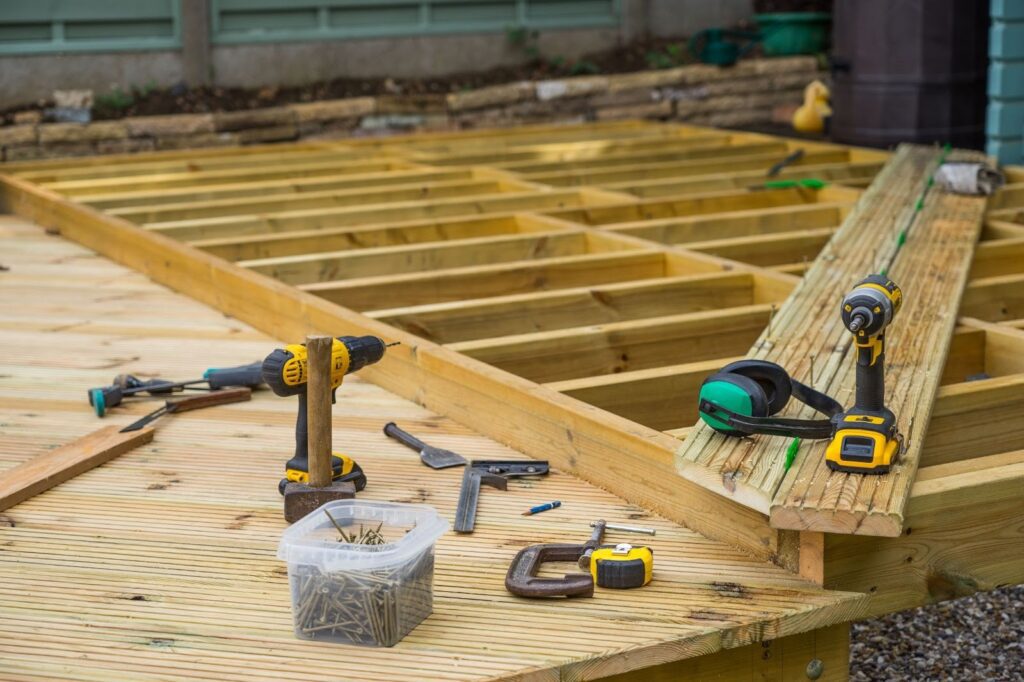
A well-designed deck supports everyday activities such as dining, relaxing, and entertaining guests without altering the home’s interior layout. Many homeowners approach deck projects with enthusiasm but limited understanding of construction steps and requirements. That lack of clarity often leads to design compromises, material issues, or permitting delays. Installing a deck becomes far more successful when each phase is understood before any work begins.
Installing a Deck Begins With Clear Intent
Installing a deck begins with a clear understanding of how the space will be used regularly. Purpose shapes decisions about size, layout, materials, and placement more than visual style alone. Homeowners who define goals early tend to avoid wasted space and unnecessary expenses later. This early clarity provides direction for every design and construction choice that follows.
Defining the Deck’s Primary Function
A deck functions as an outdoor extension designed around specific activities. Dining-focused decks require enough clearance for furniture and movement without feeling crowded. Lounging decks place greater emphasis on open areas, shade, and comfort features. Entertainment-focused decks benefit from a smooth flow of traffic between doors, seating, and cooking areas. This usage clarity helps prevent layouts that feel awkward or underused. Clear intent also simplifies later decisions about materials and accessories.
Matching Deck Use to Household Lifestyle
Household routines directly influence how a deck should be designed. Families with children often prioritize safety, visibility, and durable surfaces. Homes that host frequent gatherings benefit from flexible seating and open layouts. This lifestyle alignment helps the deck feel like a natural extension of the home rather than an afterthought. Quieter households may value privacy and defined zones over larger footprints. Usage patterns should guide layout decisions to support long-term satisfaction.
Planning Requirements Before Deck Installation
Deck planning extends beyond design preferences and includes regulatory and site-related considerations. Permits, zoning rules, and property conditions determine what can legally and safely be built. Overlooking these factors often results in delays or forced changes during construction. This preparation stage protects both homeowner safety and property value.
Understanding Local Building Codes
Building codes establish minimum safety standards for deck construction. These rules regulate elements such as railing height, load capacity, and stair dimensions. Compliance protects occupants and reassures future buyers. This regulatory framework varies by municipality and climate zone. Local building departments provide clear documentation outlining requirements. Reviewing these rules early reduces the risk of costly revisions.
Permit Timelines and Approval Process
Permits authorize deck construction and confirm compliance with local regulations. Approval timelines depend on project scope and local workloads. Inspections typically occur during framing and after completion. This oversight verifies structural integrity and safety. Missed inspections can halt progress unexpectedly. Proper scheduling keeps the project moving steadily.
Property Lines and Zoning Restrictions
Zoning rules define how close a deck can be built to property boundaries. Setback requirements often affect deck size and orientation. This restriction becomes especially important for elevated or multi-level decks. Homeowners should verify lot coverage limits before finalizing plans. Early review prevents forced adjustments later. Accurate surveys help confirm compliance.
Choosing Materials for Deck Construction
Deck materials influence durability, appearance, and maintenance needs. Climate conditions, budget limits, and upkeep preferences all affect selection. Homeowners benefit from understanding how materials perform over time. This choice plays a central role in long-term satisfaction.
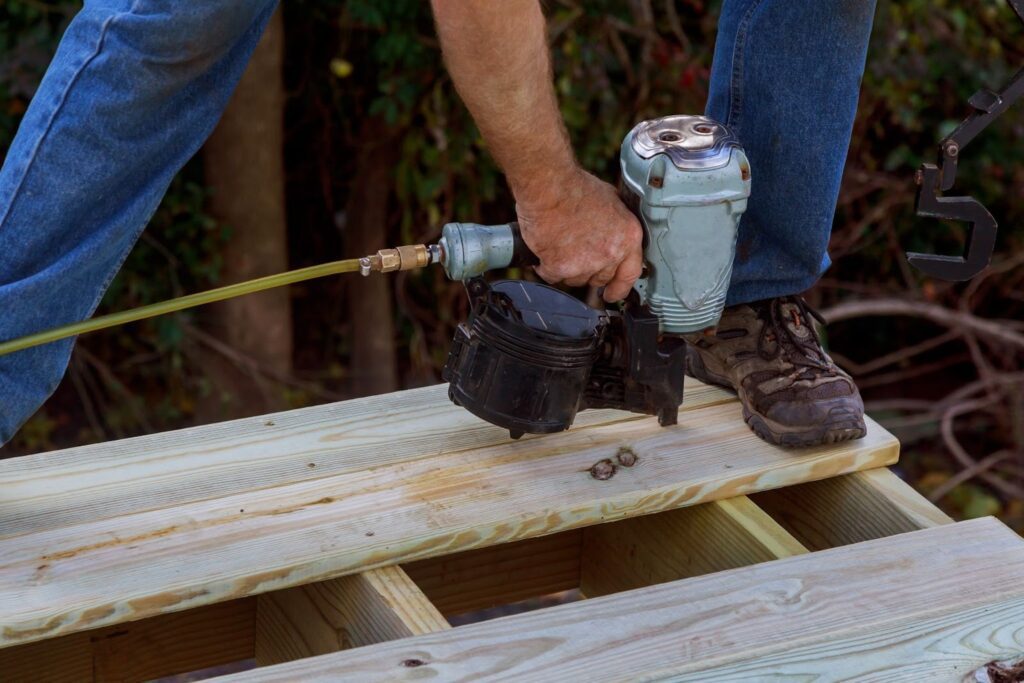
Pressure-Treated Lumber for Structural Use
Pressure-treated lumber resists insects and moisture damage. Builders frequently use it for framing and support elements. This material remains widely available and cost-effective. Regular sealing helps extend its service life. Visual quality can vary depending on grade. Proper installation reduces warping and movement.
Natural Wood Decking Options
Cedar and redwood offer warmth and natural character. These woods resist moisture better than untreated lumber. Ongoing maintenance helps preserve color and surface integrity. Sun exposure gradually causes fading without treatment. Homeowners often choose these materials for their appearance. Routine care supports long-term performance.
Composite Decking and Synthetic Boards
Composite decking combines wood fibers with durable polymers. This material effectively resists moisture, insects, and rot. Maintenance requirements remain low compared to wood. Initial costs tend to be higher. Heat retention can affect comfort during hot weather. Long-term durability appeals to homeowners with limited time for maintenance.
Comparing Lifespan and Maintenance Needs
Material lifespan varies widely depending on type and care. Wood decking requires regular sealing or staining. Composite boards typically need only periodic cleaning. This comparison helps homeowners plan long-term costs. Maintenance tolerance should guide material decisions. Longevity often matters more than upfront price.
What Homeowners Should Know Before Installing a Deck
Deck projects require more than design inspiration and basic tools. Construction choices affect safety, longevity, and daily usability long after the build ends. Homeowners who understand the full scope of deck installation make decisions with greater confidence. That awareness naturally leads to the practical reasons, steps, and considerations that shape a successful deck project.
Preparing the Site for Deck Construction
Site preparation lays the foundation for everything that follows. Ground conditions influence drainage, structural stability, and long-term performance. Poor preparation often leads to shifting, moisture damage, or uneven surfaces. This early stage directly affects how well the deck holds up over time.
Clearing and Leveling the Build Area
The build area must be cleared of vegetation, debris, and organic matter before work begins. Uneven ground complicates footing placement and framing alignment. Proper leveling supports accurate measurements throughout construction. This groundwork reduces future settling issues. Compacted soil improves load-bearing capacity. Clean preparation also speeds up construction.
Managing Drainage and Moisture Control
Water management protects structural components below the deck. Sloped grading directs runoff away from footings and posts. Gravel bases help water move freely through the soil. Standing moisture weakens supports and accelerates decay. This moisture planning preserves materials over time. Proper drainage reduces long-term repair risks.
Building the Footing and Support System
Footings anchor the deck securely to the ground. Their placement and depth determine how the weight transfers into the soil. Climate conditions influence frost-depth requirements. This support system forms the foundation of deck safety.
Footing Depth and Load Distribution
Footings must extend to stable soil below the frost line. Depth requirements vary by region and climate. Proper spacing distributes weight evenly across the structure. This accuracy prevents sagging and uneven settling. Concrete curing time affects final strength. Stable footings maintain alignment over the years.
Posts, Anchors, and Hardware Selection
Posts transfer deck loads directly into the footings. Metal anchors protect wood from ground moisture. Secure connections prevent shifting and wobbles. This hardware selection affects structural longevity. Galvanized fasteners resist corrosion outdoors. Strong connections preserve overall integrity.
Framing the Deck Structure
Framing forms the skeleton that supports the deck surface. Accuracy at this stage affects comfort, strength, and appearance. Poor framing leads to bounce and uneven boards. This step demands careful execution.
Beam and Joist Layout Standards
Beams carry weight across spans between posts. Joists distribute loads evenly across the frame. Spacing must follow material guidelines. This layout prevents deflection under use. Blocking adds rigidity between joists. Correct framing extends the deck’s service life.
Preventing Framing Errors Early
Twisted lumber creates uneven surfaces. Improper fastening weakens structural joints. Skipped blocking increases movement and bounce. This oversight shortens the deck’s lifespan. Moisture exposure worsens warping issues. Careful framing avoids future repairs.
Laying and Securing Deck Boards
Deck boards define how the finished surface looks and feels. The installation technique affects durability and comfort. Expansion gaps allow boards to move naturally. This surface work reflects overall craftsmanship.
Board Spacing and Fastening Techniques
Proper spacing allows for temperature-related expansion. Hidden fasteners improve the deck’s appearance. Screws resist pullout better than nails. This fastening method reduces squeaks. Pre-drilling prevents splitting near edges. Consistent spacing improves drainage.
Choosing Board Patterns and Direction
Board direction influences visual flow across the deck. Straight patterns feel orderly and classic. Diagonal layouts add visual interest. This design choice affects material waste. Pattern planning improves balance. Visual consistency supports cohesion.
Adding Railings, Stairs, and Safety Elements
Safety features protect everyone using the deck. Codes regulate dimensions and spacing for protection. Comfort improves everyday usability. This stage completes core structural requirements.
Railing Height and Spacing Rules
Railing height reduces fall risk. Baluster spacing protects children and pets. Secure mounting prevents movement under pressure. This compliance avoids inspection issues. Material choice affects durability. Clear sightlines improve enjoyment.
Stair Design and Accessibility
Stairs provide safe access between levels. Consistent riser height improves stability. Adequate tread depth supports proper footing. This design reduces accident risk. Handrails offer additional support. Lighting improves visibility.
Lighting for Safety and Function
Lighting improves deck usability after sunset. Step lights reduce tripping hazards. Rail lighting defines deck edges clearly. This feature enhances safety and comfort. Solar options reduce wiring complexity. Thoughtful placement improves function.
Completing Final Deck Finishing Steps
Finishing protects materials while refining appearance. Treatments extend service life. Accessories add comfort and usability. This stage completes the project.
Sealing and Staining the Deck Surface
Sealants protect against moisture and sun exposure. Stains add color depth and character. Proper timing improves absorption. This protection slows surface wear. Regular maintenance preserves finish quality. Climate influences treatment schedules.
Built-In Features and Enhancements
Built-in seating saves space and adds function. Planters soften visual edges. Storage improves organization. This customization supports daily use. Shade structures increase comfort. Thoughtful additions improve enjoyment.
Common Mistakes During Deck Installation
Mistakes during deck installation often stem from decisions made too quickly or without full context. Many homeowners focus on appearance first and overlook how choices affect durability and upkeep. These issues rarely appear immediately but tend to surface months or years later. Recognizing where problems usually begin helps prevent frustration and unnecessary expense.
Budget and Material Misjudgments
Budget problems often arise when homeowners underestimate material needs or overlook hidden costs. Initial estimates may ignore waste, fasteners, or finishing treatments. As prices fluctuate, gaps between planned and actual costs widen. These shortfalls can delay progress or force last-minute compromises. Accurate measurements and realistic pricing reduce pressure during construction. A well-planned budget supports steady progress and better outcomes.
Ignoring Environmental Conditions
Environmental factors strongly influence how a deck performs over time. Sun exposure affects surface temperature and material aging. Wind patterns can impact comfort and furniture placement. Moisture levels determine how well materials hold up. These conditions vary by location and season. Factoring climate into design choices improves durability and comfort.
Skipping Long-Term Maintenance Planning
Long-term maintenance often receives little attention during planning. Every decking material requires some level of care over time. Without a maintenance plan, wear appears sooner than expected. This oversight leads to fading, surface damage, or structural concerns. Maintenance needs vary based on climate and exposure. Planning for upkeep from the start helps preserve both function and appearance.
Design a Deck With Long-Term Use in Mind
A deck delivers lasting value when planning accounts for structure, materials, and future upkeep from the start. Homeowners who work withprofessional deck builders benefit from experience that helps avoid costly design and construction missteps. That guidance often leads to safer builds, smoother timelines, and results that hold up over time. Choosing informed planning and skilled support turns a deck into a dependable part of the home rather than a recurring project.
Discover helpful articles, expert tips, and project planning advice on the Saddleback Fence and Vinyl Products blog.