

With the right planning, your yard can become the most inviting part of your home. Homeowners start with inspiration but quickly face structural questions and budget concerns. A professional deck designer turns scattered ideas into a clear construction plan that fits your property. Without expert guidance, small missteps can lead to repairs and wasted expense. Hiring a qualified deck designer gives your project direction, stability, and long-term value from day one.
What a Professional Deck Designer Provides
A professional deck designer provides detailed plans that guide construction with accuracy and purpose. This service includes layout drawings, structural notes, and material recommendations tailored to your property. Homeowners gain clarity before hiring a contractor or purchasing materials. That preparation reduces confusion and supports smarter decisions throughout the build.
Functional Outdoor Living Design Plans
A functional outdoor living plan organizes your deck around daily use and traffic flow. Designers study door placement, yard slope, and sun exposure before sketching layouts. This design strategy prevents cramped corners and awkward stair locations. They define zones for dining, grilling, and seating so movement feels natural. Additionally, they align deck lines with your home’s architecture for a cohesive look. That planning creates a space that feels integrated rather than attached as an afterthought.
Structural Calculations and Load Planning
Structural planning defines how much weight your deck can safely support. Designers calculate joist spacing, beam sizing, and footing depth in accordance with local code standards. This structural analysis accounts for furniture, guests, and seasonal snow loads. According to the International Residential Code, decks must meet strict load requirements for safety. Designers interpret those requirements and apply them correctly to your project. That technical accuracy protects your family and reduces liability concerns.
Why a Professional Deck Designer Matters
Building a deck may seem straightforward, yet the planning behind it determines its safety, durability, and overall impact on your home. Many homeowners focus on materials and finishes without considering structural design and code compliance. A carefully developed plan shapes how the space functions for years to come. Understanding the role of professional design reveals how expert planning directly influences cost control, structural strength, and long-term property value.
Custom Deck Design Fits Your Home
Custom deck design adapts the structure to your home’s style and your lifestyle needs. This tailored approach considers how you entertain, relax, and use your yard. Homeowners avoid generic layouts that ignore property dimensions or personal habits. The result feels intentional and built for long-term comfort.
Designing Around Your Daily Routine
Designing around your routine creates a deck that supports real-life use. Designers ask how often you host gatherings or cook outdoors. This lifestyle assessment shapes the size and layout of each zone. For example, frequent entertainers may need wider stairs and open dining areas. Families with children may prefer secure railings and clear sightlines. That customized layout makes the space practical instead of purely decorative.
Selecting the Right Deck Materials
Material selection determines durability, maintenance, and appearance. Designers explain the difference between pressure-treated lumber, hardwood, and composite decking. This material comparison includes cost, lifespan, and upkeep requirements. Composite boards resist fading and require less maintenance, while natural wood offers traditional warmth. Climate also influences choices, especially in humid or coastal regions. That informed guidance helps homeowners invest in materials that suit both budget and environment.
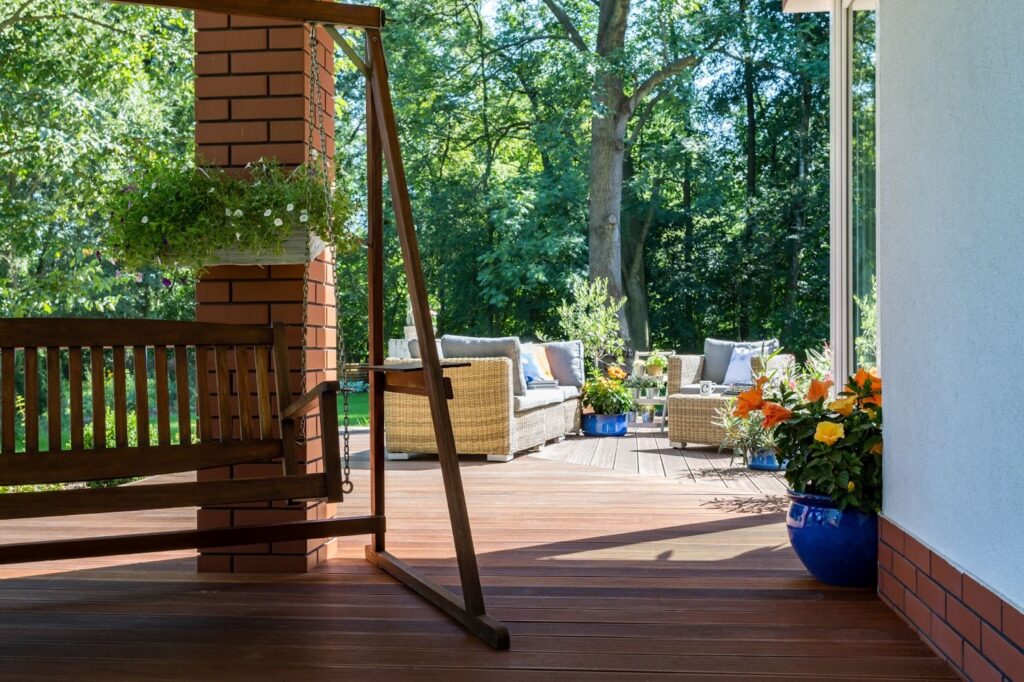
Climate-Specific Design Prevents Damage
Climate-specific deck planning helps protect the structure from regional weather conditions. This environmental strategy accounts for temperature swings, moisture levels, and seasonal changes. Many homeowners overlook how the local climate affects long-term durability. Professional designers adjust structural details to match environmental demands.
Accounting for Expansion and Contraction
Temperature changes cause decking boards to expand and contract over time. Designers calculate spacing gaps based on local climate data. This adjustment reduces warping, surface cracking, and joint separation. In colder regions, deeper footings prevent frost heave. Coastal areas require corrosion-resistant fasteners to withstand exposure to salt air. That climate-aware planning extends the lifespan of structures and reduces maintenance concerns.
Managing Sun and Heat Exposure
Sun exposure affects comfort and material performance. Designers study the sun’s path before finalizing deck orientation. This positioning reduces extreme surface heat during peak hours. Lighter decking tones may lower heat absorption in warmer climates. Shade structures or pergolas can also improve usability. That environmental awareness improves daily comfort while protecting material integrity.
Code Compliance Prevents Costly Delays
Permit compliance means meeting local building regulations before construction begins. This regulatory process protects homeowners from fines and unsafe structures. Municipal offices review deck height, setbacks, and attachment methods. Professional planning keeps your project aligned with these requirements.
Managing Permit Applications Efficiently
Permit management involves submitting accurate drawings and structural details to local authorities. Designers prepare scaled plans that reflect property boundaries and elevation changes. This documentation reduces back-and-forth with building departments. Many municipalities require inspections at the footing and framing stages. Designers anticipate these checkpoints and design accordingly. That preparation prevents delays that could stall your project for weeks.
Protecting Your Home From Water Damage
Water protection planning prevents moisture from damaging your house structure. Designers specify flashing details where the deck attaches to siding. This installation detail keeps rainwater from seeping behind walls. Poor drainage often leads to rot and mold growth. Proper slope and spacing allow water to flow away from the foundation. That protective design extends the life of both your deck and your home.
Liability Protection Through Smart Design
Liability protection begins with safe and compliant structural planning. This precaution reduces homeowners’ legal and financial exposure. Insurance providers expect decks to meet current building standards. Professional design minimizes risk before problems arise.
Meeting Insurance and Safety Standards
Insurance claims are often scrutinized when structures are noncompliant. Designers follow updated residential codes that govern railing height and load capacity. This adherence supports a stronger standing during inspections or coverage reviews. Proper stair dimensions reduce common trip hazards. Secure guardrails protect children and guests from falls. That code-aligned planning strengthens both safety and financial protection.
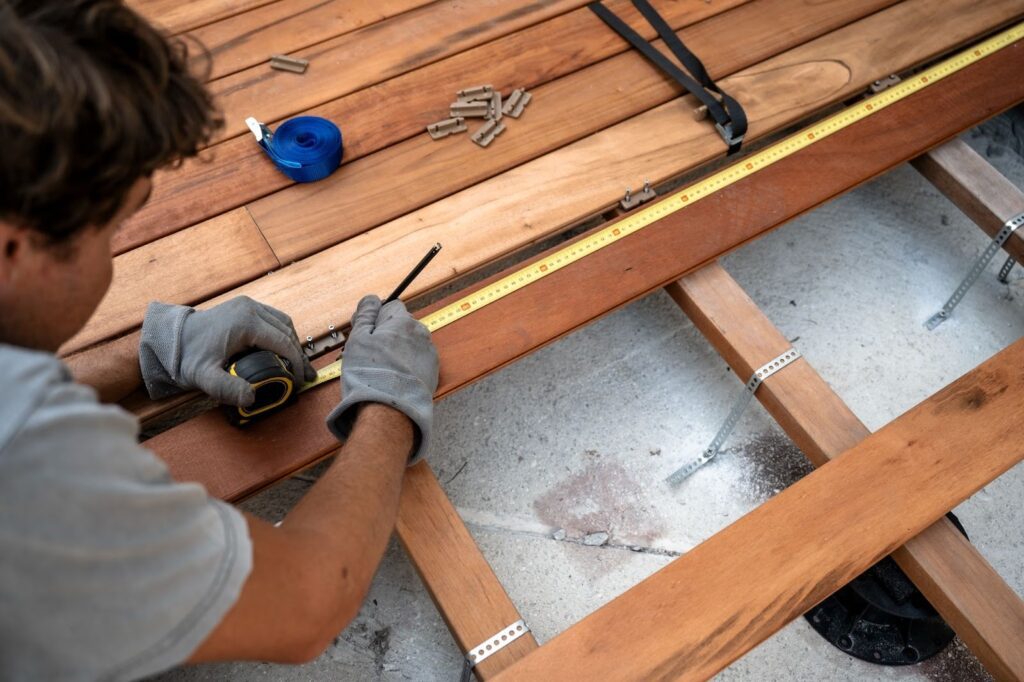
Reducing Personal Injury Risks
Deck-related injuries often result from overlooked design details. Uneven stair risers and poor lighting increase the risk of accidents. Designers address these factors before construction begins. This safety-focused approach improves visibility and footing stability. Slip-resistant materials also lower fall risk during rain. That preventive thinking protects homeowners from avoidable liability.
Expert Planning Keeps Budgets Controlled
Expert planning keeps your deck project within a realistic financial range. This budgeting strategy starts with detailed specifications before contractors bid. Clear documentation allows builders to price labor and materials accurately. Homeowners avoid vague estimates that expand during construction.
Accurate Cost Forecasting From Plans
Accurate forecasting begins with precise measurements and defined materials. Designers list board types, railing systems, and hardware requirements. This specification sheet limits the risk of unexpected upgrades during construction. Contractors can provide transparent quotes based on consistent information. Similarly, homeowners compare bids more confidently when details match. That structured budgeting protects against sudden cost increases.
Reducing Expensive Mid-Project Changes
Change orders occur when plans lack clarity or foresight. Designers reduce these disruptions by resolving layout decisions early. This preparation includes stair placement, lighting plans, and railing styles. Builders then follow a clear roadmap instead of improvising on site. Fewer revisions mean steadier timelines and controlled spending. That efficiency lowers stress for everyone involved.
Professional Design Strengthens Long-Term Value
Hiring a deck designer strengthens both property value and everyday enjoyment. This professional investment supports structural integrity and visual appeal. Buyers notice thoughtful layouts and quality craftsmanship during home tours. Smart planning today protects resale potential tomorrow.
Boosting Property Appeal and ROI
Return on investment improves when outdoor spaces feel purposeful and durable. Real estate data from remodeling cost reports often shows strong resale performance for well-built decks. This market insight reflects buyer demand for usable outdoor living areas. Clean lines, balanced proportions, and durable materials attract attention. Additionally, cohesive design enhances curb appeal from the backyard view. That combination increases perceived value during appraisals and listings.
Designing for Timeless Appeal
Timeless design keeps your deck relevant as trends shift. Designers avoid overly trendy features that may feel dated in a few years. This balanced approach favors proportion, symmetry, and practical layouts. Neutral material tones also age better than bold, short-lived finishes. Thoughtful railing styles and lighting choices add character without overwhelming the space. That restraint helps your deck maintain its appeal as buyer preferences change.
Reducing Stress With Professional Guidance
Professional guidance simplifies decisions that often overwhelm homeowners. Designers coordinate with contractors and clarify technical details. This collaboration prevents miscommunication between trades. Homeowners spend less time managing logistics and more time reviewing clear plans. Structured communication keeps expectations aligned from start to finish. That steady support makes the entire building process more manageable.
Future Expansion Compatibility
Future expansion compatibility protects your deck investment as your property evolves. This forward-thinking approach anticipates additions such as pools, sunrooms, or outdoor kitchens. Many homeowners build decks without considering later renovations. Professional designers align current plans with potential upgrades.
Coordinating With Future Renovations
Home improvements often extend beyond the initial deck build. Designers evaluate how future structures might connect to or affect the deck layout. This foresight prevents blocked access points or structural conflicts. Reinforced framing may support later installations, such as hot tubs. Proper spacing allows excavation without dismantling large sections. That long-term coordination reduces reconstruction costs.
Planning Utility and Infrastructure Access
Deck construction can conceal plumbing, electrical, or HVAC components. Designers map these utilities before finalizing structural placement. This infrastructure planning prevents costly demolition during future repairs. Accessible panels allow maintenance without removing entire boards. Electrical conduit placement can support future lighting or heating upgrades. That strategic foresight keeps your deck adaptable and service-friendly.
Partner With an Experienced Deck Designer
A deck should feel like a natural extension of your home, not a rushed addition. Skilled planning shapes how that space functions, withstands weather, and supports daily use. Professional design brings structure, foresight, and accountability to every detail before construction begins. Connect with an experienced deck designer to create an outdoor space built with intention, precision, and living value.
Discover practical advice, design ideas, and expert recommendations on the Saddleback Fence and Vinyl Products blog to plan your next project with confidence.