

Homeowners often plan a new fence to improve privacy and comfort. Each property demands careful thought before any post goes into the ground. A fence impacts safety, curb appeal, and long-term value for your home. You gain a smoother installation when you prepare with the correct details. A thoughtful start helps you move forward with confidence and clarity.
Why Fence Expectations Matter Before You Build
Clear expectations help you approach your fence project with confidence. You make stronger choices when you understand how each phase affects timing and cost. This insight keeps you from choosing styles or layouts that clash with your property. Planning a fence becomes easier when you know the steps from measurement to installation. Many homeowners feel more prepared when they understand common challenges ahead of time. You gain control over the process because fewer surprises disrupt your plan. This level of awareness leads to a fence that fits your goals and your home’s needs.
What Homeowners Should Know Before a Fence
Fence projects work best when you understand the factors that shape cost, design, and long-term results. Many homeowners focus on looks alone and miss practical details that affect performance. Your yard conditions and local limits also influence each decision you make. A quick review of these core points strengthens your plan from the start.
Know Your Property Needs for a New Project
Your property should guide the direction of your improvement plan. Every yard carries different goals based on privacy, safety, and style. A clear purpose helps you choose the right material and layout. These early decisions guide how the project performs across the seasons.
Define the Purpose of the Fence
Your purpose guides every choice throughout the project. Some homeowners need stronger privacy from nearby homes or busy streets. Others want more safety for kids or dogs that play outside often. Style may also matter if you want a cleaner, polished yard. A fence may address noise issues when paired with taller materials. Every purpose affects height, style, and investment. These details help you narrow your options with less confusion.
Study the Layout and Land Shape
Your land shape affects how well your new structure fits your space. Slopes, dips, and uneven areas need extra planning from your installer. Hard, soft, or rocky soil may increase digging time and cost. A narrow yard may need custom panels with tighter spacing. Wide yards may need stronger posts for long stretches. Curved areas require flexible alignment to maintain structural balance. These elements help you prepare for a build that fits naturally with your property.
Follow Local Codes and Rules for Projects
Local codes control height, design, and placement for residential improvements. Every city creates rules that protect safety and visual harmony. You protect your project by verifying these codes early. These steps prevent delays and reduce stress during installation.
Check Zoning Codes for Fence Rules
Your zoning office sets limits on how tall your structure can be. Some areas allow taller panels only in backyards, while front yards stay lower. Materials may also be regulated to protect visibility around roads. A permit may be required before any digging begins. This added step helps you avoid fines that waste time and money. Local staff often share printed guides to help homeowners plan. These rules keep you on track before the installation begins.
Confirm Property Lines With a Survey
A property survey helps you avoid arguments with neighbors. Old structures or markers may sit off the true boundary line. A licensed surveyor gives accurate measurements that settle any doubt. You protect your space when you rely on these verified lines. Contractors work faster when boundaries are clear and confirmed. A survey also protects your home’s future resale value. These details help your installation sit in the correct place from day one.
Review HOA Rules if You Have One
HOA communities often manage neighborhood appearance with strict rules. They may limit color, height, or specific materials for outdoor structures. A quick review of these rules prevents rejection or delays later. Boards usually respond faster when you send precise drawings or photos. Contractors may help you gather the proper documents for approval. HOA rules protect the neighborhood’s overall appearance. These guidelines allow you to choose a style that aligns with community standards.
Compare Materials and Style Options
Material choice affects life span, maintenance, and project cost. Each material offers different strengths for privacy, security, or design. You gain more value when you match your needs with the right option. These decisions shape how the structure performs over time.
Wood Fence Choices for Natural Style
Wood structures bring warmth through natural grain and color. Cedar holds up well because it resists decay and insects. Pine costs less but needs regular sealing to stay strong. Wood reacts to moisture, sunlight, and seasonal temperature changes. Some prefer natural weathering for a rustic look. Others apply stain to maintain a rich, consistent color. These choices let you control your style and long-term care.
Vinyl Fence Benefits for Low Upkeep
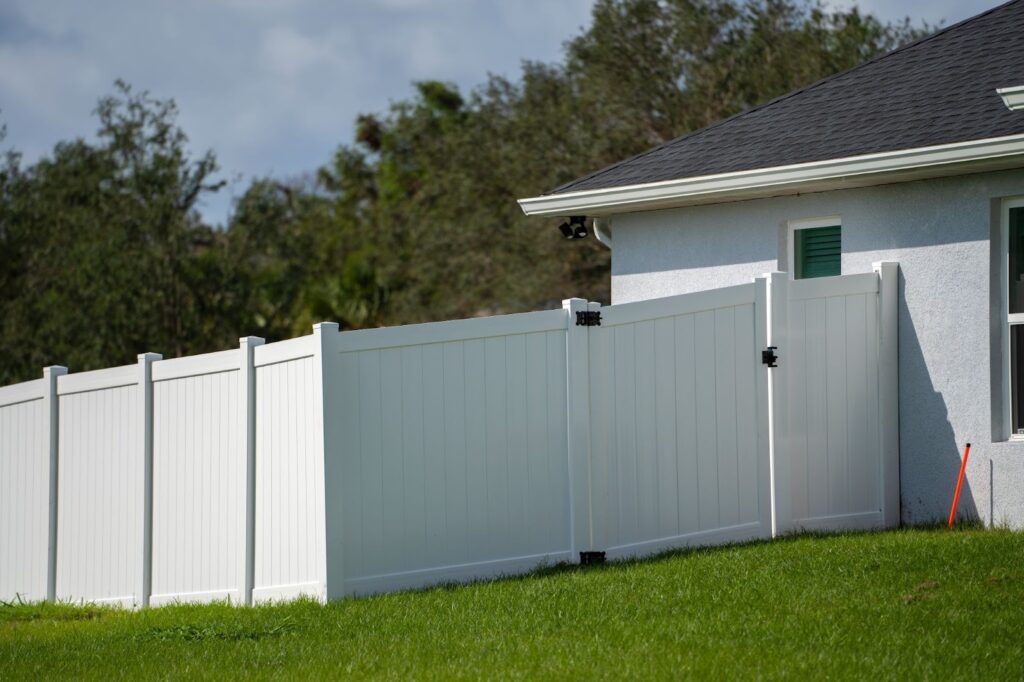
Vinyl stays strong with minimal maintenance over the years. Many brands maintain color stability under intense sunlight. Panels can be washed clean with mild soap and water. Vinyl resists moisture and stays straight across seasons. Some options mimic wood grain for a softer, natural appearance. Homeowners choose vinyl for its long-lasting durability. These panels may last decades with little upkeep.
Metal Fence Types for Strength
Metal structures deliver strength with a clean, open look. Aluminum resists rust and works well around pools or open yards. Steel offers greater strength in high-traffic areas. Wrought iron adds classic beauty to older or traditional homes. Metal may need coatings to guard against moisture. Many homeowners choose metal for its strong security while still feeling open. These materials perform well in demanding climates.
Composite Fence Options for Modern Homes
Composite panels combine wood fibers with plastic for long-lasting durability. They resist fading, warping, and heavy moisture. Composite colors remain stable under sunlight. Panels often include texture that resembles real wood. Many modern homes use horizontal composite for a sleek look. Composite supports privacy and strength with minimal upkeep. These systems offer substantial value year-round.
Specialty Fence Styles for Custom Designs
Specialty styles help you personalize your yard with creative layouts. Shadowbox designs offer airflow while maintaining privacy at selected angles. Horizontal builds add clean, modern lines to updated homes. Lattice accents bring charm to patios or gardens. Decorative panels add visual interest to outdoor living areas. Some combine mixed materials for a bold custom look. Specialty designs let your space stand out with unique character.

Plan Project Costs Before You Begin
Cost varies with size, material, terrain, and labor needs. You manage your budget better when you study these factors early. Some materials cost more at the start but last much longer. These details give you a fair balance between price and performance.
Compare Material and Labor Pricing
Wood usually costs less upfront, while vinyl and composite cost more; metal pricing shifts based on strength and coating options. Labor increases when soil conditions make digging harder. More posts add cost because they require more concrete and labor. Custom gates also raise the overall investment. Quotes may vary by contractor skill and schedule. These factors help you track your budget with clarity.
Add Future Maintenance to Your Budget
Maintenance affects the lifetime cost of your structure. Wood needs to be sealed or stained every few years to stay strong. Vinyl cleans easily and rarely needs primary care. Composite usually requires only basic washing from time to time. Metal may need paint or coating after years of exposure. Planning these costs avoids frustration down the road. These choices help you invest with long-term comfort.
Decide Between DIY or Pro Installation
DIY can save money if you have tools and experience. Installation requires planning, strength, and precise measuring. Mistakes in digging or spacing may weaken the entire layout. Professional fence installers handle complex terrain and tricky lines with confidence. Many offer warranties for both materials and labor. Homeowners often choose pros for speed and long-term stability. These benefits help you avoid preventable issues.
Prepare the Yard Before Installation Work
Good preparation helps your team work faster with fewer delays. Clear paths support accurate digging and safe movement. Hidden lines must be marked to avoid accidents. These steps keep your project organized from start to finish.
Clear Landscaping and Remove Obstacles
Move furniture far from the work path to help the crew. Trim bushes or remove weeds that hide the layout zone. Rocks, toys, and clutter slow down digging and measuring. Clear areas make it easier for installers to move tools. Mark any plants you want to protect during the project. Open ground keeps the schedule steady and predictable. These steps reduce the chance of delays.
Mark Utility Lines to Protect Workers
Utility marking protects everyone involved in the project. Gas, water, and cable lines run underground in most neighborhoods. A quick call to your locator service helps mark these lines safely. Workers avoid dangerous contact once markings appear. Marked lines may also guide post spacing when obstacles appear. The process usually costs nothing and happens quickly. These markings support a safe work environment.
Set a Timeline That Fits Your Schedule
A steady timeline helps communication stay clear with your contractor. Weather may stretch or shift the schedule at times. Busy seasons may slow delivery or labor availability. Plan around these common factors to reduce stress. Ask your contractor to outline each phase from start to finish. Updates help you follow progress with confidence. These plans support a smooth and predictable experience.
Hire the Right Contractor for the Job
A skilled contractor brings structure, speed, and strong results. You gain better outcomes when you work with someone proven and reliable. Clear communication helps you avoid the mistakes that cost money later. These steps guide you toward a solid, long-term investment.
Check Licensing and Background
A licensed contractor brings training that supports local compliance. Insurance protects your property during the project. Skilled teams deliver work with cleaner, faster results. Many contractors show past projects to demonstrate quality. Good reviews help you judge reliability and performance. Experienced pros handle tough soil and uneven yards with confidence. These checks allow you to choose the right partner.
Review Communication and Project Planning
Strong communication helps your project stay clear from the start. Contractors should explain their plans in a way that’s easy to follow. They guide you through material choices that suit your goals. A walk through your yard helps identify slopes or tight areas. Written plans outline scope, timing, and cost. Good planning reduces stress as work moves forward. These habits show commitment and professionalism.
Understand Warranties and Support
Warranties protect your investment long after installation. Contractors often offer labor coverage in addition to material warranties. These cover issues such as shifting soil or loose hardware. Clear terms help you know which repairs are covered. Post-project support helps maintain long-term stability. Reliable teams respond quickly when calls arise. These benefits support the value of your project over time.
Begin Your Fence Project the Right Way
A well-planned fence shapes how your property feels, functions, and grows with you over time. When your goals are clear, you achieve results that match your style and your yard’s needs. The right installer guides each step and helps you avoid costly missteps. Reach out to a trusted team and start building the fence that supports your home and your way of life.
Go deeper into thoughtful planning, strong materials, and proven methods on the Saddleback Fence and Vinyl Products blog.