
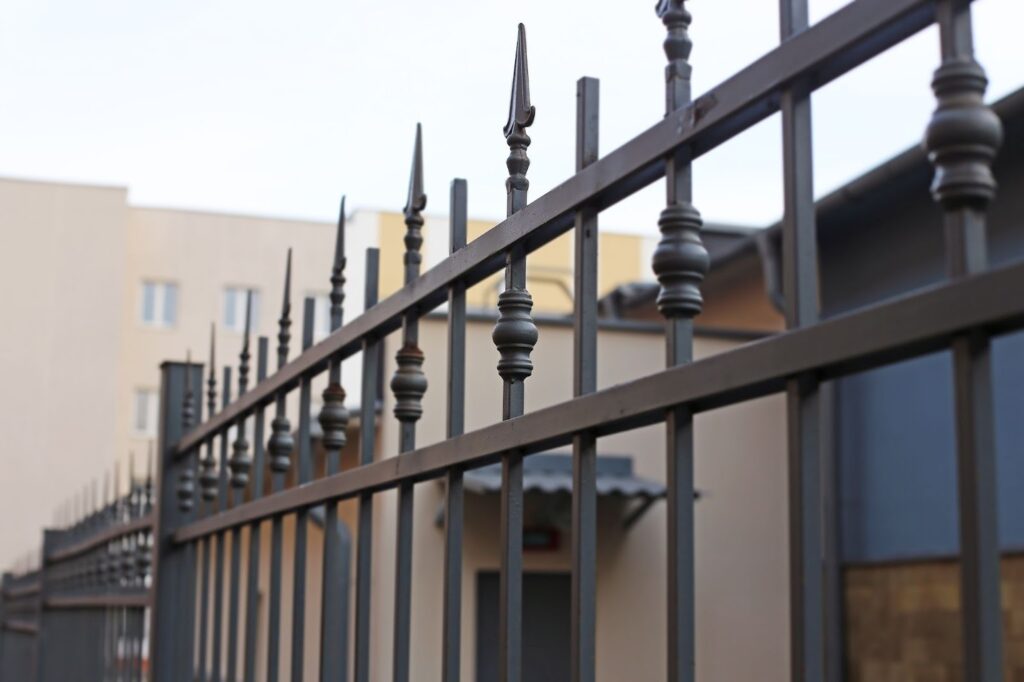
\Fencing is one of those projects you do not want to repeat every few years, which makes it essential to choose materials that align with your goals for security, style, and longevity. Aluminum fences have become a popular option for homeowners who want the look of ornamental metal without the weight, rust, and constant upkeep associated with traditional iron. It is light, durable, and available in a wide range of designs that can fit everything from classic to contemporary homes. Before you place an order, though, it helps to understand how aluminum is built, what affects its performance, and which options actually matter for your property. With a bit of planning, you can select an aluminum fence that looks like it was made for your yard and holds up well over time.
Understanding The Basics Of Aluminum Fences
An aluminum fence is more than just a row of metal pickets; it is a complete system of posts, rails, panels, and hardware designed to work together. Most residential systems are made from hollow aluminum components that are engineered for strength while staying relatively lightweight, which makes them easier to transport and install. These pieces are often coated with a baked-on finish that helps resist fading, chipping, and corrosion, so you can enjoy a clean appearance with minimal upkeep. Panels typically arrive pre-assembled in sections that attach to posts with brackets, allowing the fence to follow gentle slopes in your yard without awkward stair-stepping. Knowing these basics helps you ask better questions about panel size, post spacing, and finish quality as you compare different aluminum fence products.
How An Aluminum Fence Balances Curb Appeal and Security
One of the main reasons homeowners choose an aluminum fence is that it delivers a substantial visual upgrade while still offering a practical barrier. The slim pickets and open design allow you to showcase landscaping, views, or architectural details instead of hiding everything behind a solid wall. At the same time, the vertical pickets and secure fasteners make it harder for intruders to slip through or lift panels out of place. You can choose heights and picket spacing that align with your security needs, whether you are simply defining property lines or discouraging climbing and trespassing. An aluminum fence can strike that middle ground where your yard feels open and welcoming from the street, but still clearly protected.
Matching Style To Your Home’s Architecture
Choosing a rail-and-picket pattern that echoes your home’s lines makes the fence feel intentional. Simple, clean designs tend to blend more easily with a variety of architectural styles.
Considering Visibility and Privacy Needs
An aluminum fence offers more visibility than a solid barrier, which can be a plus for safety and aesthetics. If you need privacy, you may pair it with landscaping or choose areas where a different fence style makes more sense.
Aluminum Fence Styles, Grades, and Panel Options To Compare
Not all aluminum fence systems are built the same, so it is essential to understand the differences in style and grade before you commit. Residential grades are common for typical backyards and garden areas, offering a balance of strength and affordability that works well for most homes. Heavier commercial or industrial grades use thicker walls and stronger rails and are better suited for high-traffic areas or locations where impact resistance is a bigger concern. Beyond strength, you will see choices in picket tops, rail spacing, and decorative elements like finials or rings that can shift the look from simple and modern to more traditional and ornate. Paying attention to these details ensures that the fence you select not only performs well but also complements your home’s personality.
Choosing The Right Grade For Your Aluminum Fence
Residential-grade aluminum is adequate for many yards, but high-traffic or exposed areas may benefit from a stronger grade. Thinking about how the space will be used helps guide the right choice.
Panel Height and Picket Spacing Decisions
Panel height and spacing influence both safety and aesthetics in a finished fence. Taller panels and tighter spacing can feel more secure, while shorter, more open designs keep things airy and inviting.
Decorative Features and Color Choices
Decorative elements and color options allow you to personalize an aluminum fence. A subtle color shift or simple finial can change the overall character without sacrificing function.
What Aluminum Fence Maintenance Really Looks Like Over Time
One of the most significant advantages of an aluminum fence is its typically low maintenance requirements compared to wood or raw steel. Because aluminum does not rust in the same way that iron can, you avoid the cycle of sanding, priming, and repainting to keep corrosion at bay. The protective finish helps the surface resist fading and flaking, so routine care usually comes down to occasionally rinsing off dirt, pollen, or grass clippings. In most cases, a garden hose and mild soap are enough to restore a clean look after a messy season or storm. This low-maintenance profile is a major reason many homeowners are willing to pay a bit more upfront for aluminum, knowing they will spend less time and money on upkeep later.
Aluminum Fence Installation Factors That Affect Long-Term Performance
Even a high-quality aluminum fence will only perform as well as its installation allows, which is why the groundwork is so important. Posts need to be set to the proper depth and anchored with appropriate footing materials so they can stand up to wind and shifting soil without leaning. Accurate measurements, careful layout, and correct post spacing ensure that panels fit snugly and maintain consistent lines along the entire run of the fence. Installers also need to account for slopes and grade changes so the fence follows the terrain smoothly instead of leaving awkward gaps at the bottom. When these installation details are handled well, your aluminum fence is far more likely to stay straight, function properly, and look professionally finished for many years.
Importance Of Solid Post Foundations
Strong, well-anchored posts are the backbone of any fence. Getting this step right helps prevent future leaning, sagging, or shifting that can shorten the fence’s life.
Professionals Versus DIY
A professional installer brings experience with layout, slopes, and local codes that can be hard to match. A careful DIY approach can work, but it requires time, planning, and attention to detail.
Comparing An Aluminum Fence To Wood, Vinyl, and Steel Options
Before choosing an aluminum fence, it helps to see how it stacks up against other common materials. Wood offers a warm, natural look and can be more private, but it requires regular painting or staining and is vulnerable to rot and insects. Vinyl is low maintenance and solid, yet it can feel bulky and may not provide the same airy, open view that aluminum does. Steel or wrought iron can be very strong and traditional but often needs more intensive maintenance to control rust and preserve the finish. Aluminum tends to sit in a sweet spot where you get the look of decorative metal, a relatively light structure, and minimal long-term upkeep, making it a compelling option for many residential properties.
Cost Considerations Beyond The First Year
An aluminum fence might cost more upfront than bare wood, but reduced maintenance can make up the difference. Looking at long-term costs helps clarify which option is truly more economical.
Matching The Fence To Your Property’s Role
Think about whether your fence’s main job is privacy, security, decoration, or a mix of all three. Aluminum pairs exceptionally well with properties that prioritize visibility and style, as well as defined boundaries.
Aluminum Fence Placement, Codes, and Neighborhood Requirements
Where and how you install an aluminum fence can be influenced by more than just your personal taste. Many municipalities have zoning rules, height limits, and setback requirements that dictate how close to the sidewalk or property line you can build. Homeowners’ associations may also have guidelines on fence style, color, and height, particularly in front yards or along shared community spaces. Before you finalize a design, it is wise to confirm these rules so you do not end up with a fence that has to be modified or moved after installation. By aligning your aluminum fence plans with local codes and neighborhood standards, you avoid headaches and ensure the finished project fits seamlessly into its surroundings.
Is An Aluminum Fence The Right Choice For Your Home?
Ultimately, deciding whether an aluminum fence is right for your property comes down to balancing aesthetics, function, and budget. If you want a fence that defines your space without feeling heavy or closed off, aluminum’s open profiles can be a strong fit. It is especially appealing if you value low maintenance and long-term durability over complete privacy across every part of your yard. Pairing the right style and grade with quality installation helps the fence age gracefully and stay attractive for years with minimal effort. Taking time to weigh these factors before you buy ensures your aluminum fence will feel like a natural extension of your home rather than an afterthought.
Visit our Saddleback Fence and Vinyl Products blog to learn more about what you should know before choosing an aluminum fence.