
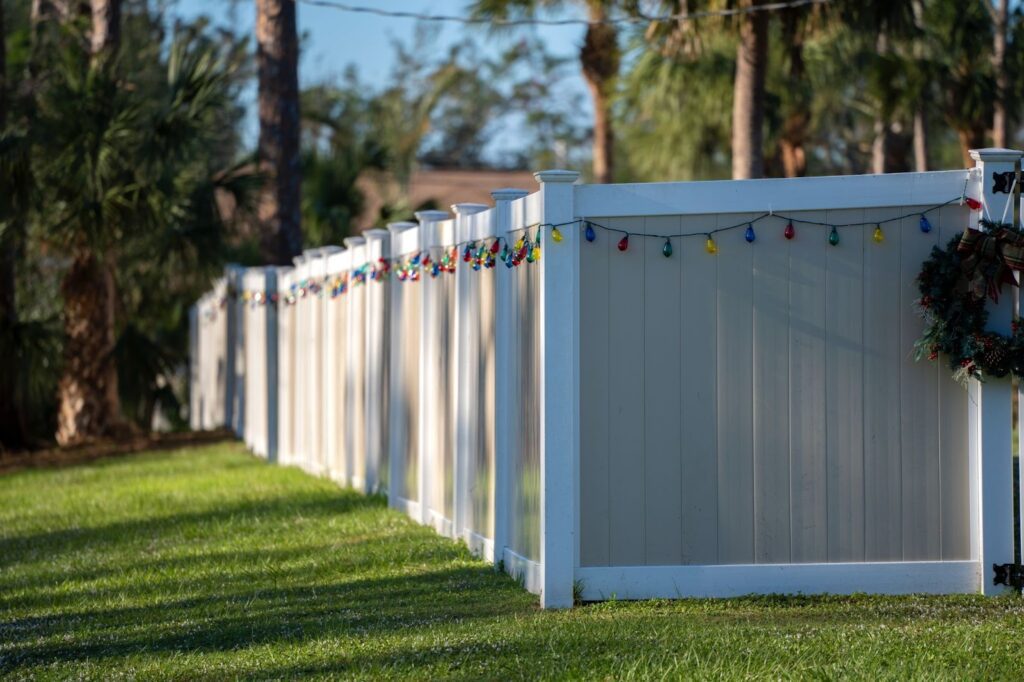
Homeowners often judge a fence by its appearance, yet performance depends on choices made long before installation. Material consistency, structural design, and production standards quietly determine how a fence handles weather and time. When these factors receive little attention, problems manifest as warping, fading, or early repairs. A well-built fence reflects disciplined planning rather than luck. Knowing how fence manufacturers operate places homeowners in control of quality, longevity, and overall value.
What Fence Manufacturers Do for Homeowners
Fence manufacturers design and produce fencing systems intended for residential environments. This work includes engineering fence components, preparing materials, and maintaining consistent production standards. Every decision made during manufacturing affects strength, appearance, and longevity. Homeowners benefit when these processes follow clear, tested guidelines.
Residential Fence Design and Engineering
Fence manufacturers begin by designing systems that address common residential demands. This design process considers wind exposure, soil movement, and routine household activity. Engineers calculate post spacing, rail thickness, and fastening methods to prevent shifting and sagging. Local building codes also influence height limits and layout requirements. These design standards help fences remain stable across changing seasons. Thoughtful engineering reduces maintenance issues over time.
Material Sourcing and Preparation Methods
Fence manufacturers select materials based on durability, availability, and performance history. This sourcing process includes choosing wood species, metal grades, or vinyl formulations suited for outdoor use. Wood materials undergo drying and treatment to reduce moisture damage and insect activity. Metals receive surface preparation before shaping or welding begins. Vinyl and composite materials rely on controlled blends for consistency. Proper preparation improves lifespan and visual uniformity.
Fabrication and Assembly Processes
Fence manufacturing involves cutting, molding, welding, or extrusion, depending on the material. Each step requires precision to maintain consistent dimensions. Even small production errors can weaken structural integrity. Skilled technicians oversee alignment and component fit throughout fabrication. Automated systems often support repetitive tasks for accuracy. These controlled processes help installers achieve secure, clean results.
Quality Control and Performance Testing
Fence manufacturers test products before distribution to verify performance. Testing evaluates strength, flexibility, and resistance to weather exposure. Inspectors examine finishes for defects or irregularities. Any faulty components are removed from production batches. Documentation tracks materials and processes for accountability. This quality control approach reduces installation failures.
Types of Fence Manufacturers in the Market
Fence manufacturers serve homeowners through different production models. Each model affects customization options, pricing, and availability. Understanding these distinctions helps homeowners set realistic expectations. The right choice depends on the property’s needs and the project’s scope.
Custom Fence Manufacturing Companies
Custom fence manufacturers create fencing systems tailored to specific properties. This production model allows adjustments for height, layout, and decorative elements. Homeowners benefit from the flexibility of building on sloped or irregular land. Production timelines often extend due to design revisions. Pricing reflects additional labor and material handling. This approach suits homeowners seeking personalized solutions.
Mass-Production Fence Manufacturers
Mass-production fence manufacturers focus on standardized fence systems. These products remain readily available through suppliers and retailers. Consistent dimensions simplify planning and installation. Pricing remains competitive due to production scale. Design choices may feel limited for unique properties. This option works well for straightforward residential projects.
Material-Specific Fence Manufacturers
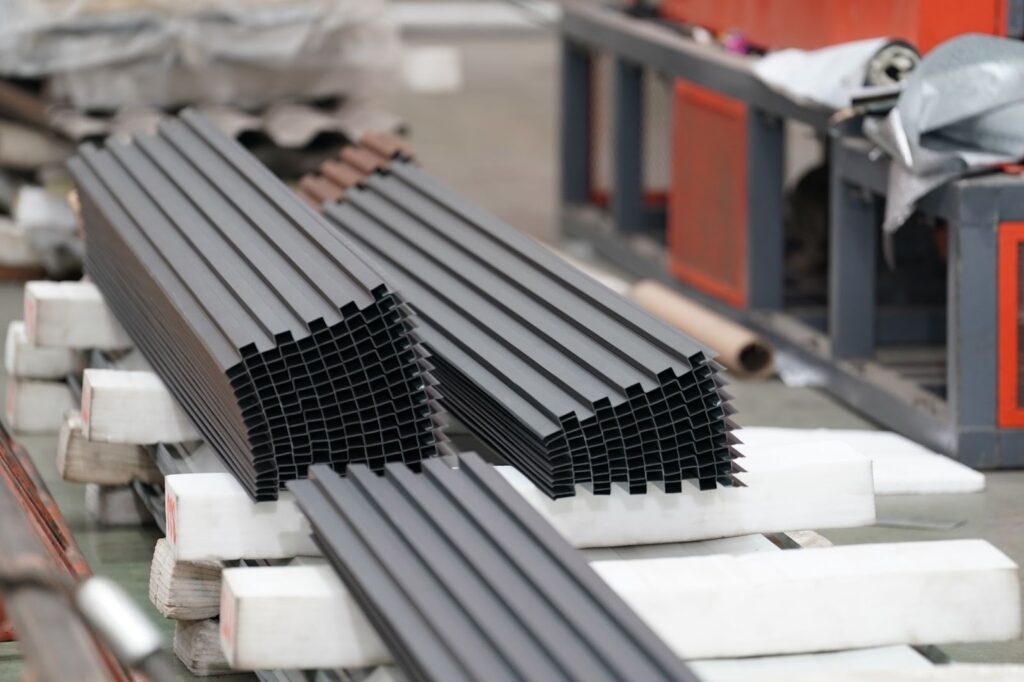
Some fence manufacturers specialize in a single material category. This specialization may focus on wood, vinyl, metal, or composite fencing. A narrower focus allows deeper material expertise. Homeowners benefit from predictable performance traits. Product lines often show uniform quality. This choice suits buyers with clear material preferences.
The Fence Manufacturing Supply Chain
Fence manufacturers rely on complex supply chains that directly affect product consistency, pricing, and availability. This supply chain includes lumber mills, resin producers, metal processors, and transportation partners. When any link becomes unstable, product quality and timelines often suffer. Homeowners feel these issues through delays, mismatched materials, or inconsistent fence performance.
How Raw Material Sourcing Affects Fence Quality
Fence manufacturers depend on steady material sources to maintain uniform standards. When suppliers change frequently, material characteristics also shift. Wood density, moisture content, or grain patterns may vary between batches. Vinyl resin quality can vary depending on the supplier’s formulation. Metal thickness and coating adhesion may also fluctuate. These variations lead to fences that age unevenly or are installed poorly.
Supply Chain Stability and Production Consistency
Stable supply chains allow fence manufacturers to maintain tight production tolerances. Consistent inputs lead to predictable fabrication outcomes. This manufacturing consistency reduces panel warping and alignment issues. Installers benefit from parts that fit together cleanly. Homeowners benefit from fences that look uniform across the entire property. Reliability begins long before fabrication starts.
Transportation and Distribution Impacts
Fence manufacturers also depend on reliable transportation networks. Shipping delays affect the freshness and availability of materials. Extended storage can expose materials to moisture or heat, which can lead to damage. Distribution disruptions often lead to rushed production schedules. Rushed manufacturing increases defect risk. Efficient logistics protect both timelines and quality.
Why Supply Chain Transparency Matters to Homeowners
Transparent fence manufacturers disclose sourcing and production practices. This transparency signals confidence in material quality and consistency. Manufacturers with long-term supplier relationships experience fewer fluctuations. Homeowners receive fencing products that match specifications reliably. Predictable supply chains reduce surprise costs and delays. This behind-the-scenes stability often separates dependable manufacturers from unreliable ones.
Fence Materials and Manufacturing Quality
Fence materials affect appearance, maintenance needs, and service life. Manufacturing methods determine how those materials perform outdoors. Homeowners gain clarity by understanding these relationships. This knowledge supports better long-term planning.
Wood Fence Manufacturing Standards
Wood fence manufacturers select species known for outdoor durability. Common options include cedar, pine, and redwood. Treatment processes protect wood from moisture and insects. Kiln drying reduces warping and cracking after installation. Surface finishing improves paint and stain adhesion. Manufacturing quality strongly affects how wood ages.
Vinyl Fence Production Techniques
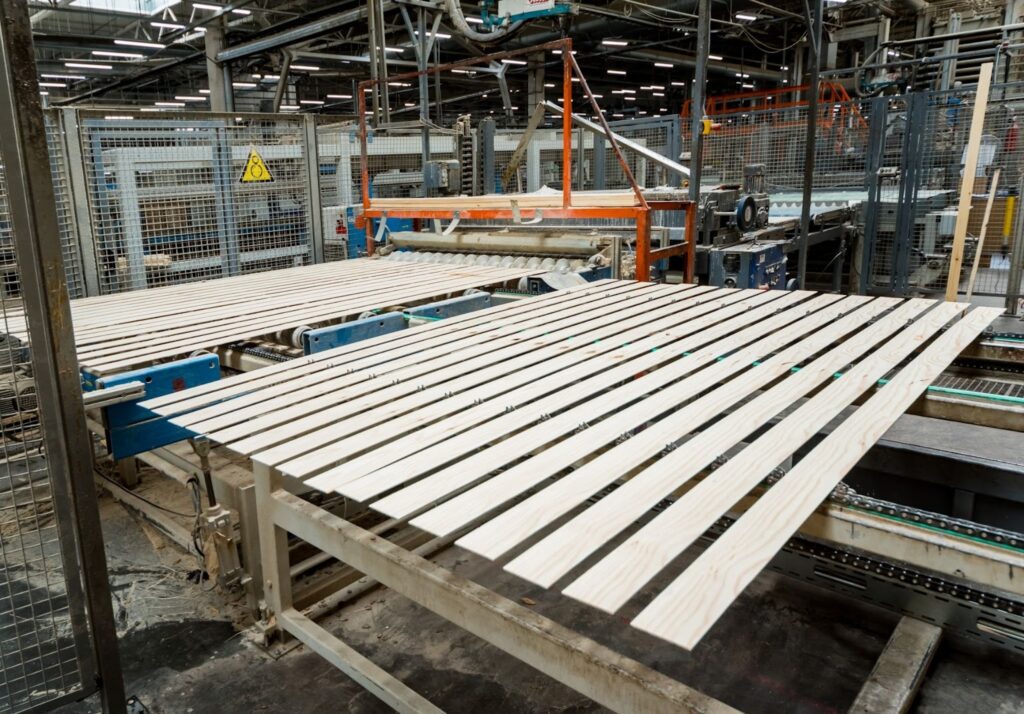
Vinyl fence manufacturers rely on precise formulations of materials. Resins combine with stabilizers to improve strength. UV inhibitors reduce fading and brittleness. Wall thickness affects rigidity and impact resistance. Internal reinforcements strengthen posts and rails. Poor production leads to sagging and discoloration.
Metal Fence Manufacturing Practices
Metal fence manufacturers typically use steel or aluminum. Steel offers strength but requires corrosion protection. Aluminum resists rust and remains lightweight. Protective coatings shield surfaces from moisture. Weld quality affects joint stability. Careful manufacturing extends service life.
Composite Fence Manufacturing Methods
Composite fence manufacturers blend recycled plastics with wood fibers. This blend balances strength and flexibility. Controlled heating bonds materials evenly. Color pigments are evenly distributed throughout the material for consistency. Composite fencing naturally resists rot and insects. Manufacturing precision affects surface texture and stability.
Manufacturer Support for Fence Installation
Fence manufacturers support installation through guidance and technical resources. This support affects installation quality and warranty coverage. Homeowners benefit when manufacturers communicate clearly. Strong coordination improves fence performance.
Installer Training and Certification Programs
Many fence manufacturers offer training for installers. These programs explain product-specific installation techniques. Certified installers follow approved methods. Proper installation protects warranty coverage. Training improves post-placement accuracy. This education reduces installation errors.
Installation Manuals and Technical Guidance
Fence manufacturers provide detailed installation manuals. These guides specify post depth, spacing, and fasteners. Climate considerations appear where relevant. Installers rely on these instructions for consistency. Clear guidance prevents shortcuts. Accurate manuals protect homeowners.
Warranty Compliance and Support
Warranty coverage depends on the following manufacturer requirements. Fence manufacturers outline approved installation practices. Certified installers understand these expectations. Documentation supports future warranty claims. Clear compliance benefits homeowners and contractors. This structure reduces disputes.
Certifications and Standards for Fence Manufacturers
Fence manufacturers operate under regulated standards. Certifications reflect adherence to safety and quality benchmarks. These measures protect homeowners from substandard products. Awareness builds confidence during selection.
Residential Building Code Compliance
Fence manufacturers design products to meet residential codes. These codes regulate height, spacing, and safety features. Pool fencing often carries stricter rules. Local regulations influence product availability. Manufacturers adapt designs accordingly. Compliance simplifies permitting.
Manufacturing Quality Certifications
Quality certifications reflect internal production controls. Audits review material sourcing and testing. Certified manufacturers document each stage carefully. This transparency supports consistent output. Homeowners benefit from fewer defects. Certification adds credibility.
Environmental and Sustainability Standards
Some fence manufacturers pursue sustainability certifications. These standards regulate waste and emissions. Recycled materials reduce landfill impact. Eco-conscious homeowners value verified practices. Certification confirms responsible sourcing. Transparency strengthens trust.
How Homeowners Should Evaluate Fence Manufacturers
Evaluating fence manufacturers requires more than price comparison. Research should focus on reliability and transparency. Homeowners should review clear indicators of quality. Careful evaluation prevents future problems.
Product Warranties and Coverage Details
Warranties reveal manufacturer confidence. Coverage length varies by material. Homeowners should review exclusions carefully. Labor coverage often differs from material coverage. Transferability affects resale value. Clear terms indicate professionalism.
Manufacturer Reputation and History
Reputation reflects long-term performance. Years in operation provide context. Consistent product lines suggest stability. Reviews highlight recurring strengths or issues. Industry partnerships add credibility. A solid reputation supports trust.
Transparency in Product Information
Transparent manufacturers share detailed specifications. Material composition should appear clearly. Installation requirements remain accessible. Testing data may be available upon request. Vague descriptions raise concerns. Clarity supports informed decisions.
Customer Support and Responsiveness
Support quality matters after purchase. Manufacturers should offer accessible assistance. Technical questions deserve timely responses. Replacement part availability affects ownership experience. Responsive support improves satisfaction. Silence often predicts frustration.
Warning Signs When Choosing Manufacturers
Some fence manufacturers show warning signs early. These indicators suggest potential quality issues. Homeowners should recognize these patterns. Awareness prevents costly mistakes.
Inconsistent Specifications and Documentation
Specification inconsistencies create confusion. Measurements should remain uniform across materials. Product descriptions must match deliveries. Discrepancies suggest weak oversight. Reliable manufacturers maintain accuracy. Consistency protects buyers.
Poor Communication and Limited Support
Delayed responses raise concerns. Poor communication complicates installation planning. Missing documentation frustrates contractors. Support gaps affect warranty claims. Professional manufacturers remain accessible. Silence predicts future issues.
Exaggerated Performance Claims
Marketing claims require verification. Unrealistic lifespan promises deserve scrutiny. Testing data should support statements. Independent certifications add credibility. Exaggeration hides weaknesses. Skepticism protects homeowners.
Evaluate Fence Manufacturers Before You Commit
Fence manufacturers influence durability, compliance, and long-term maintenance far more than most homeowners expect. The right choice reduces future repairs, avoids approval issues, and keeps materials consistent years later. Careful evaluation shifts the decision from guesswork to confidence. When homeowners assess manufacturing standards, sourcing stability, and product continuity upfront, the fence becomes a reliable asset rather than an ongoing concern.
Visit the Saddleback Fence and Vinyl Products blog for practical guidance on materials, manufacturing quality, and smart fence decisions.