
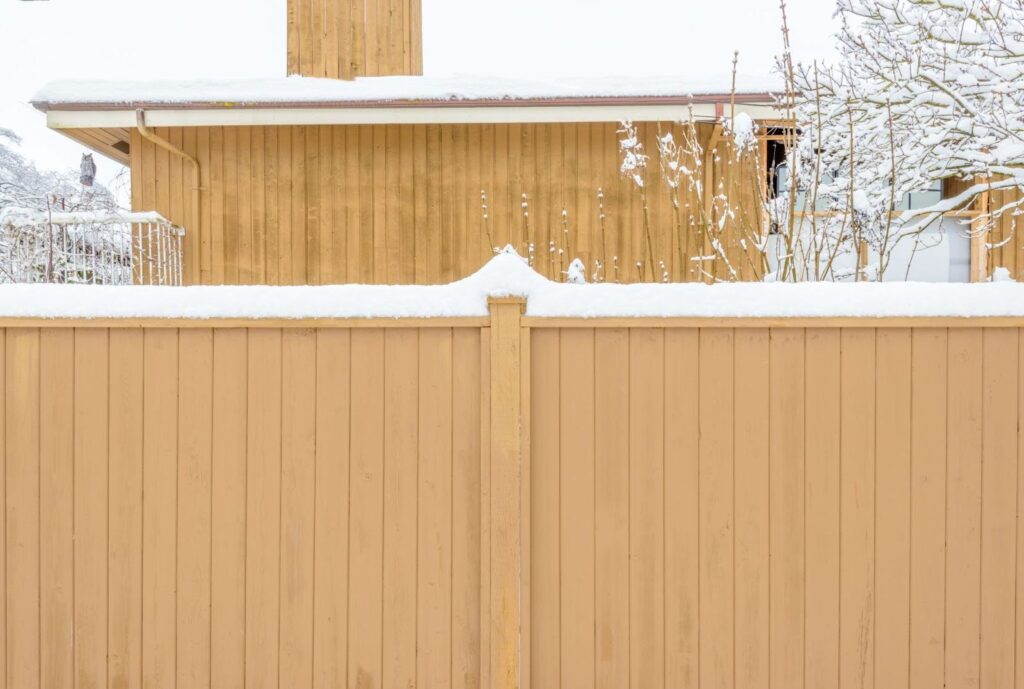
Fencing does more than mark the edge of your property—it can shape how your home looks, feels, and functions for years. When you are comparing vinyl fence panels to wood panels, the choice is really about the kind of long-term relationship you want with your fence. Wood has a classic, natural look that many homeowners love, but it also requires ongoing maintenance. Vinyl fence panels promise low upkeep and consistent performance, yet they can feel less traditional if you are used to wood. Understanding how these materials differ in cost, durability, care, and curb appeal helps you decide which one delivers the best long-term value for your specific property.
Vinyl Fence Panels and Wood Panels: The Basics Of Each Option
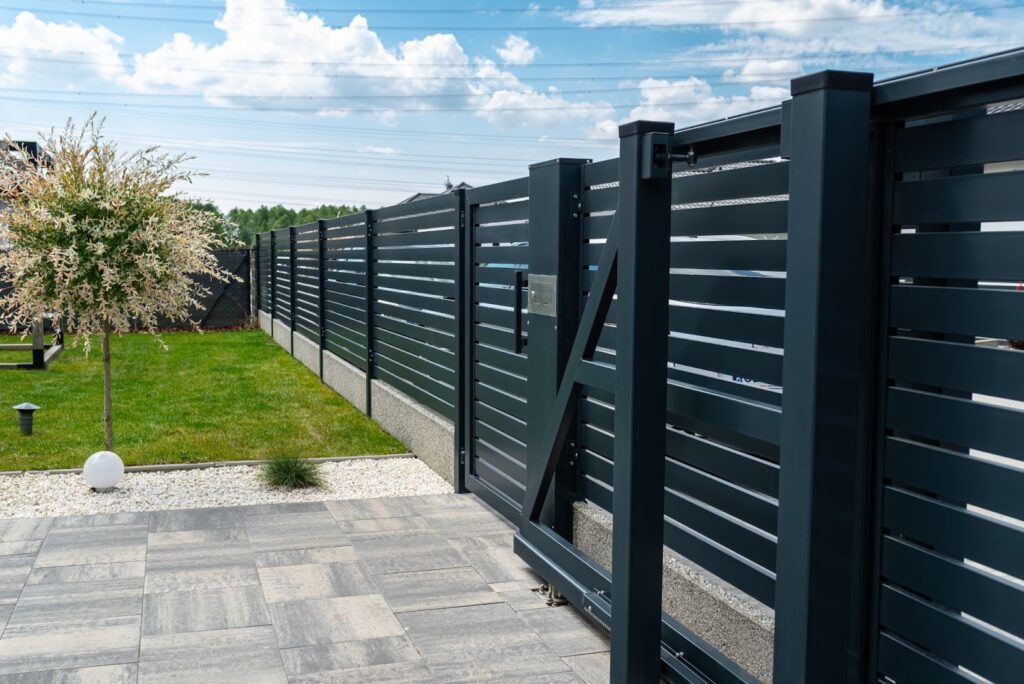
At a basic level, wood panels are made from natural lumber, offering a warm, organic look that can be stained or painted to match your style, while vinyl fence panels are manufactured from rigid PVC that resists moisture and insects. Wood can be customized on site, cut to unique shapes, or built into semi-custom designs, but it is more vulnerable to rot, warping, and insect damage over time. Vinyl fence panels usually come in pre-formed sections that lock into posts with brackets or rails, creating a uniform, clean appearance with minimal field adjustments. While wood can blend seamlessly into rustic or traditional landscapes, vinyl often shines in neighborhoods where crisp lines, low maintenance, and long-lasting color are priorities. Both options can define property lines and provide privacy; the key difference lies in how they age and what they demand from you as a homeowner.
Upfront Costs Of Vinyl Fence Panels Compared To Wood Panels
Budget is often the first thing people think about when comparing vinyl fence panels to wood panels, but the full picture goes beyond the initial price tag. In many markets, basic wood fencing can be less expensive to purchase initially, especially for simple styles like dog-ear or stockade panels. Vinyl fence panels typically cost more upfront because of the manufacturing process and the hardware systems that support them. However, that higher initial cost may be offset over time by lower maintenance needs, fewer repairs, and a longer lifespan. To really understand the value, you need to weigh the first-year expense against what you will spend on staining, sealing, and replacing damaged sections in the years that follow.
Material Pricing Over Time
Wood can appear cheaper at checkout, but ongoing treatments and replacements add up. Vinyl fence panels often offer a more predictable cost curve with fewer surprises down the road.
Labor and Installation Considerations
Pre-assembled vinyl fence panels may reduce on-site labor time compared to building wood panels from scratch. That efficiency can help narrow the cost gap between the two materials.
Long-Term Durability Of Vinyl Fence Panels Versus Wood Panels
When it comes to durability, vinyl fence panels and wood panels respond very differently to weather, moisture, and everyday wear. Wood naturally expands and contracts with changes in humidity and temperature, which can lead to cracks, warping, or loose fasteners over time, especially near the ground. Without regular sealing or painting, wood panels are also more likely to suffer from rot and insect damage, which can weaken boards and posts. Vinyl fence panels are engineered to resist moisture absorption and are not attractive to pests, making them less vulnerable to common failure points. While vinyl can become brittle under extreme temperature swings or suffer damage from strong impacts, it generally maintains its shape and structural integrity longer than untreated or poorly maintained wood. In many climates, that resilience translates into fewer panel replacements and a fence that stays straighter and more secure as the years pass.
How Climate Impacts Each Material
Harsh sun, heavy rain, and freeze-thaw cycles can accelerate wear on wood panels. Vinyl fence panels often handle these shifts with less visible movement or structural stress.
Everyday Wear and Tear
Kids, pets, and yard equipment can all test a fence’s strength. Vinyl panels tend to shrug off routine bumps that might crack or splinter aging wood.

Maintenance Demands For Vinyl Fence Panels and Wood Panels Over Time
Maintenance is where the long-term value difference between vinyl and wood fence panels becomes especially clear. Wood panels need periodic attention in the form of staining, painting, or sealing to protect them from moisture, UV rays, and pests, and skipping those steps can dramatically shorten their lifespan. Even with consistent care, you may find yourself replacing individual boards that crack, cup, or rot over the years. Vinyl fence panels, on the other hand, rarely need more than a simple rinse with a hose and occasional cleaning with mild soap to remove dirt or mildew on the surface. There is no need to strip old finishes, buy stain, or schedule big weekend projects to keep the fence from deteriorating. For many homeowners, the time and money saved on ongoing maintenance make vinyl particularly attractive as a long-term investment.
How Vinyl Fence Panels and Wood Panels Affect Curb Appeal and Resale Value
Curb appeal is not just about looking nice—it can influence how prospective buyers feel about the work a property may require. Freshly installed wood panels have a timeless charm and natural character that many people love, especially when they are carefully stained or painted. However, if wood panels are not maintained, they may show peeling paint, faded stain, or warped boards that signal future effort and expenses to a buyer. Vinyl fence panels offer a more consistent, polished look that tends to change very little year after year, which can reassure buyers who prefer low-maintenance features. Knowing your neighborhood’s preferences can also guide the choice, because some areas favor the traditional feel of wood while others lean toward the clean lines of vinyl. In either case, a fence that looks well cared for and aligns with the home’s style helps support the property’s overall perceived value.
Style Flexibility
Wood adapts easily to rustic or historic homes, while vinyl fence panels often complement modern or suburban styles. Matching the material to your architecture helps the fence feel intentional.
First Impressions For Potential Home Buyers
A straight, clean fence signals that a property has been maintained. Vinyl panels can maintain that impression longer without frequent cosmetic touch-ups.
Environmental and Repair Considerations For Vinyl Fence Panels and Wood Panels
Environmental impact is another angle to consider when comparing vinyl fence panels and wood panels, especially as sustainability becomes more important to many homeowners. Wood is a renewable resource and can be more environmentally friendly when sourced from responsibly managed forests, but treatments, paints, and stains introduce chemicals that complicate disposal and recycling. Vinyl fence panels are made from plastic and require energy and resources to manufacture, yet their long lifespan and low need for chemical coatings can balance some of that impact over time. When it comes to repairs, wood panels can sometimes be fixed board by board, which is convenient if only small sections are damaged, but can lead to a patchwork appearance. Vinyl panels often require replacing a whole section if there is significant damage, though that process is usually straightforward and maintains a uniform look. Understanding how you feel about these trade-offs will shape which option you consider to have better long-term value.
Matching Vinyl Fence Panels Or Wood Panels To Your Property’s Needs
Beyond cost and durability, choosing between vinyl fence panels and wood panels means thinking about how you actually use your outdoor space. If you have pets that jump, kids that play ball, or frequent backyard gatherings, you may appreciate the consistent, low-maintenance performance of vinyl, especially in high-traffic areas. If you enjoy hands-on projects and like the idea of customizing stain colors or detailing, wood panels might feel more satisfying and flexible. It is also worth considering where in the yard you need privacy, where you want views, and how each material will interact with existing landscaping. In some cases, the best solution is a combination—using vinyl fence panels for long property lines and wood accents in smaller, more visible areas. Tailoring the material choice to specific zones can stretch your budget while still delivering a cohesive look.
Deciding If Vinyl Fence Panels Offer Better Value For Your Home
At the end of the day, the question of whether vinyl fence panels provide better long-term value than wood panels depends on your priorities, your climate, and how much maintenance you are willing to take on. If you prefer a set-it-and-forget-it approach with predictable upkeep and a fence that ages slowly and evenly, vinyl is likely to offer greater value over time. If you love the natural character of wood and do not mind regular staining or painting to keep it protected, wood may still be worth the trade-offs for you. Comparing not just the initial quote but also the projected costs and effort over ten or fifteen years gives you a clearer picture of the real investment you are making. When you align the material with your lifestyle and expectations, your fence is far more likely to feel like a wise choice instead of a burden.
Visit our Saddleback Fence and Vinyl Products blog to learn more about the differences between vinyl and wood fence panels.