
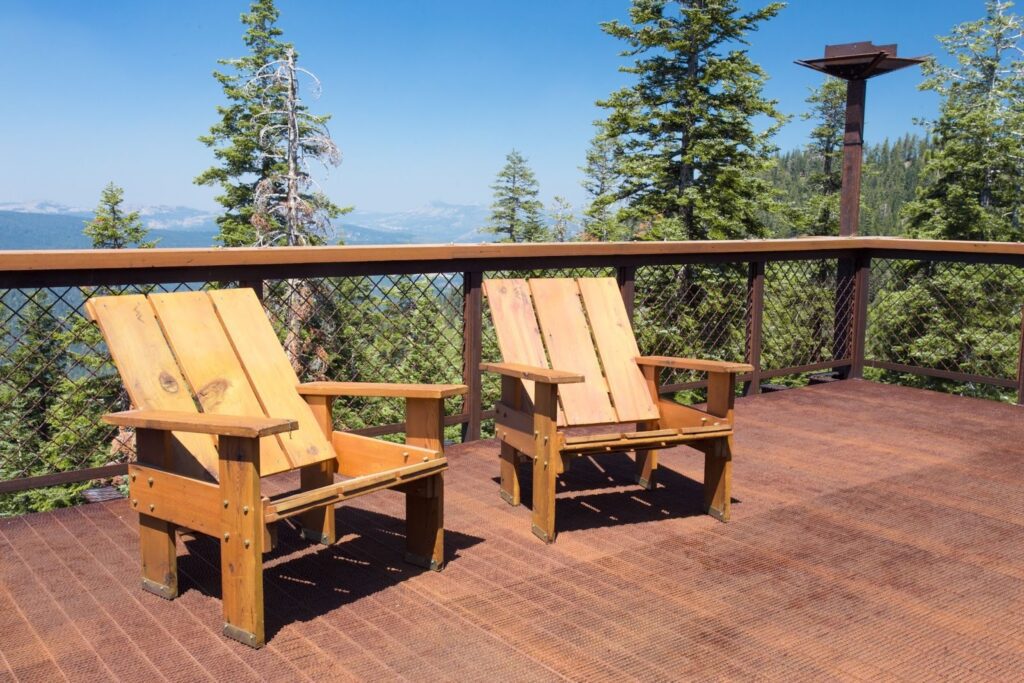
Decks now function as everyday living spaces rather than seasonal add-ons. They support meals, conversations, work breaks, and quiet moments outdoors. The layout of decks affects safety, comfort, and long-term usability. Homeowners often compare single-level and multi-level decks during planning stages. That decision shapes how the home connects with the outdoor space for years to come.
Why Deck Design Shapes Daily Comfort and Use
Deck design affects how often the space gets used and how it feels over time. A thoughtful layout supports natural movement between indoor and outdoor areas. Poor design choices can limit comfort, safety, and flexibility. Materials, height, and flow influence maintenance demands and long-term durability. Homeowners often notice design issues only after construction ends. Planning with daily routines in mind prevents those challenges. This approach helps the deck remain functional as household needs change.
What Defines Single-Level Deck Designs
Single-level decks are flat outdoor platforms built close to ground level. These decks usually connect directly to a main floor entrance. The design avoids stairs, which simplifies movement and layout planning. Many homeowners choose this deck style for comfort, accessibility, and cost control.
Simple Deck Layouts and Design Benefits
Single-level deck layouts focus on ease of use and visual clarity. The flat surface allows furniture to be placed without navigating elevation changes. This deck design supports flexible seating and dining arrangements. Homeowners often rearrange layouts seasonally without structural limits. The absence of stairs reduces visual clutter around the yard. That simplicity helps the deck blend naturally with landscaping.
Single-Level Deck Costs and Construction
Single-level decks usually require fewer materials and labor hours. Builders complete these decks faster because the structure stays straightforward. This construction approach helps homeowners manage budgets with fewer surprises. Permits and inspections also tend to move faster for low-profile decks. Maintenance costs remain lower because fewer components need care. Long-term ownership often feels predictable and manageable.
Accessibility and Daily Use Advantages
Single-level decks facilitate easy movement for all ages. The design reduces fall risks by removing stairs entirely. This deck style works well for children, pets, and aging residents. Carrying food or furniture feels easier without level changes. Daily access between home and yard remains seamless. That convenience increases the frequency with which homeowners use the space.
What Defines Multi-Level Deck Structures
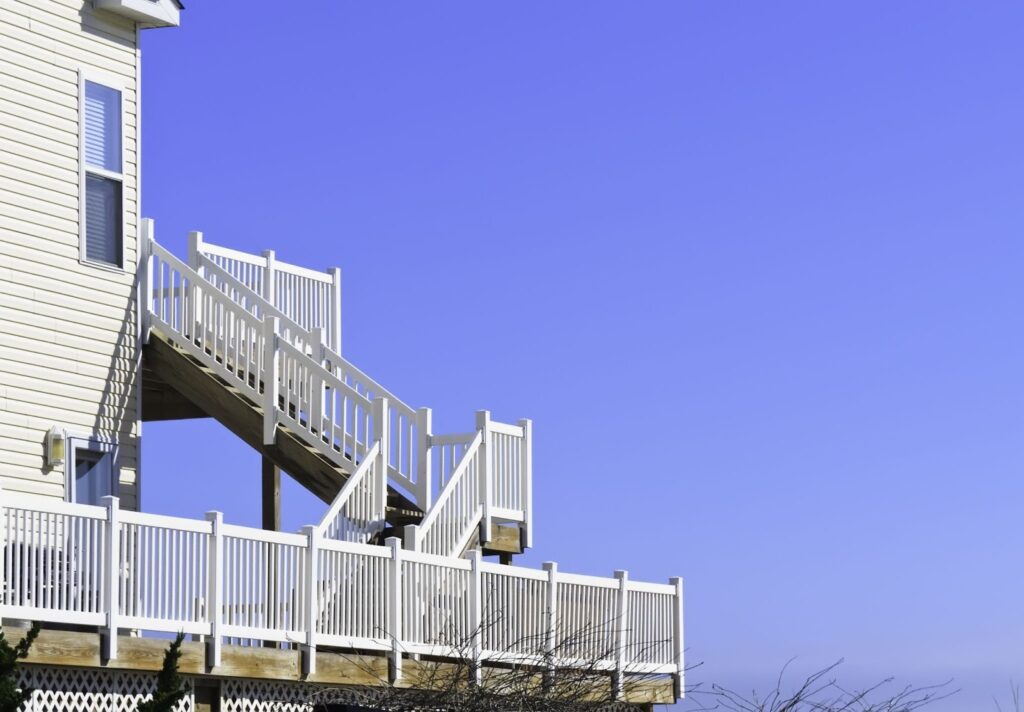
Multi-level decks include two or more platforms at different heights. These decks create separate zones for dining, relaxing, or entertaining. Homeowners often select this style for sloped yards or larger properties. The layered structure adds visual interest and functional separation.
Zoning Outdoor Spaces With Multi-Level Decks
Multi-level decks divide activities into clear, usable areas. One level may host meals while another supports lounging. This zoning approach reduces noise overlap during gatherings. Families appreciate better organization during busy events. Privacy improves when activities stay visually separated. Each level gains a defined purpose.
Visual Impact and Property Appeal
Multi-level decks add architectural depth to outdoor spaces. The layered design creates strong visual interest around the home. These decks pair well with sloped terrain and tiered landscaping. Lighting and railings enhance the structure’s appearance at night. Buyers often notice unique deck designs during home showings. That visual impact can influence perceived property value.
Construction Complexity and Investment
Multi-level decks require detailed planning and skilled labor. Builders must calculate loads for each platform and staircase. This deck structure uses more materials, including footings and railings. Construction timelines are usually extended due to increased complexity. Maintenance needs also increase with stairs and joints. Homeowners should plan for higher long-term care costs.
Single-Level vs. Multi-Level Deck Options
Single-level and multi-level decks differ in structure, cost, and use. Each deck style suits different yards and lifestyles. Homeowners should compare practical benefits rather than trends. The right choice depends on terrain, budget, and daily habits.
Yard Size and Terrain Considerations
Flat yards often support single-level decks without extra grading. This deck style uses space efficiently on even ground. Sloped properties may benefit from multi-level designs. Tiered decks follow natural grade changes more smoothly. That approach reduces the need for retaining walls. Terrain often guides the final deck layout.
Maintenance and Long-Term Care Needs
Single-level decks usually require simpler cleaning and inspections. This deck design has fewer joints, stairs, and railings. Repairs often involve surface boards only. Multi-level decks, on the other hand, require regular inspections of stairs and supports. Water drainage varies across levels and corners. Maintenance time and costs may increase over the years.
Lifestyle and Entertainment Factors
Lifestyle habits influence deck selection more than appearance. Homeowners who host large groups may prefer multi-level decks. These decks support multiple activities at once. Single-level decks are ideal for casual use and quick access. Families with young children often favor flat layouts. Daily routines should guide the decision.
How Deck Structure Influences Noise and Vibration
Deck design affects how sound and movement travel through the home. Footsteps, furniture shifts, and gatherings create vibrations. These vibrations behave differently based on height and support spacing. Homeowners often notice this impact only after installation.
Design Controls the Sound Entering the Home
Decks attached to the home can transmit noise through framing. Single-level decks often connect directly to the main living areas. This proximity allows footsteps and movement sounds to carry indoors. Furniture dragging and foot traffic become more noticeable. Multi-level decks separate activity zones further from interior spaces. This separation helps reduce indoor noise during gatherings. Structural spacing also influences sound absorption.
Height Changes How Vibration Travels
Deck height affects how vibration travels across boards and supports. Single-level decks transfer movement more directly into the house frame. This condition can cause subtle shaking inside nearby rooms. Multi-level decks distribute weight across multiple support points. This distribution helps absorb movement during heavy use. Stair placement also affects vibration control. Thoughtful framing reduces long-term discomfort.
Layout Affects Indoor Comfort Levels
Deck activity can influence indoor comfort levels. Frequent movement may disrupt quiet indoor spaces. This effect becomes noticeable in homes with open floor plans. Elevated decks shift activity away from primary living areas. This separation supports better indoor comfort during gatherings. Noise reduction improves daily livability. Layout planning helps balance indoor and outdoor use.

Choosing the Right Deck for Your Home
Deck selection should reflect how the household uses outdoor space. Budget planning, yard layout, and future needs all matter. Visual harmony with the home improves overall appeal. Thoughtful choices lead to lasting comfort and value.
Planning Your Deck Budget and Long-Term Value
Single-level decks often require lower upfront investment. This deck option keeps material and labor costs predictable. Multi-level decks involve higher spending due to complexity. Homeowners should weigh cost against intended use. Well-built decks can attract buyer interest later. Thoughtful planning balances enjoyment and resale appeal.
Following Local Codes and Deck Safety Rules
Deck height often determines permit requirements. Single-level decks may face fewer regulations. Multi-level designs usually require detailed inspections. Railings and stairs must meet local safety codes. Experienced builders stay current with regulations. Early planning helps avoid project delays.
Partnering With Experienced Deck Builders
Professional deck builders guide design and construction decisions. These experts accurately assess terrain, structure, and materials. Builders also manage permits and inspections. Clear communication keeps timelines realistic. Skilled crews maintain quality throughout construction. Long-term support adds confidence after completion.
How Deck Height Affects Weather and Longevity
Deck height directly influences how materials respond to weather exposure. Airflow, moisture, and sunlight behave differently at varying elevations. These conditions affect how boards age, shift, and retain heat. Homeowners who overlook this factor often face repairs sooner than expected.
Moisture and Drainage at Different Levels
Deck height affects how water behaves around the structure and framing. Single-level decks sit closer to the ground, increasing moisture exposure beneath the surface. This proximity can trap humidity when airflow remains limited. Poor ventilation often leads to slower drying after rain. Multi-level decks allow more air movement below elevated platforms. This airflow helps boards and framing dry faster. Proper drainage planning reduces long-term structural wear.
Control Heat Retention and Surface Comfort
Deck elevation influences how heat builds across walking surfaces. Single-level decks absorb warmth from the nearby ground and the surrounding hardscape. This heat buildup can make boards uncomfortable during the summer months. Shade placement and material color matter more at lower elevations. Multi-level decks benefit from improved airflow, which cools surfaces faster. This cooling improves barefoot comfort during peak heat. Consistent temperatures also reduce material stress.
Plan for Snow Load and Seasonal Stress
Deck height affects how snow and debris collect during colder seasons. Single-level decks often hold snow longer due to reduced airflow. This prolonged contact increases moisture exposure as the snow melts slowly. Multi-level decks allow snow to fall through gaps more efficiently. Elevated designs also reduce ice buildup against framing. Seasonal freeze-thaw cycles place stress on joints and fasteners. Smart planning helps limit long-term wear.
Design Decks With Long-Term Use in Mind
Decks should support real routines, not just first impressions. A well-planned layout reduces maintenance strain, improves daily comfort, and adapts as needs change. Choices around height, structure, and flow shape how often the space gets used. Homeowners who think beyond appearance avoid costly redesigns later. The smartest next step is choosing a deck design that continues to work long after construction ends.
Outdoor projects deserve thoughtful planning. The Saddleback Fence and Vinyl Products blog shares straightforward perspectives that help homeowners make informed choices before construction begins.