
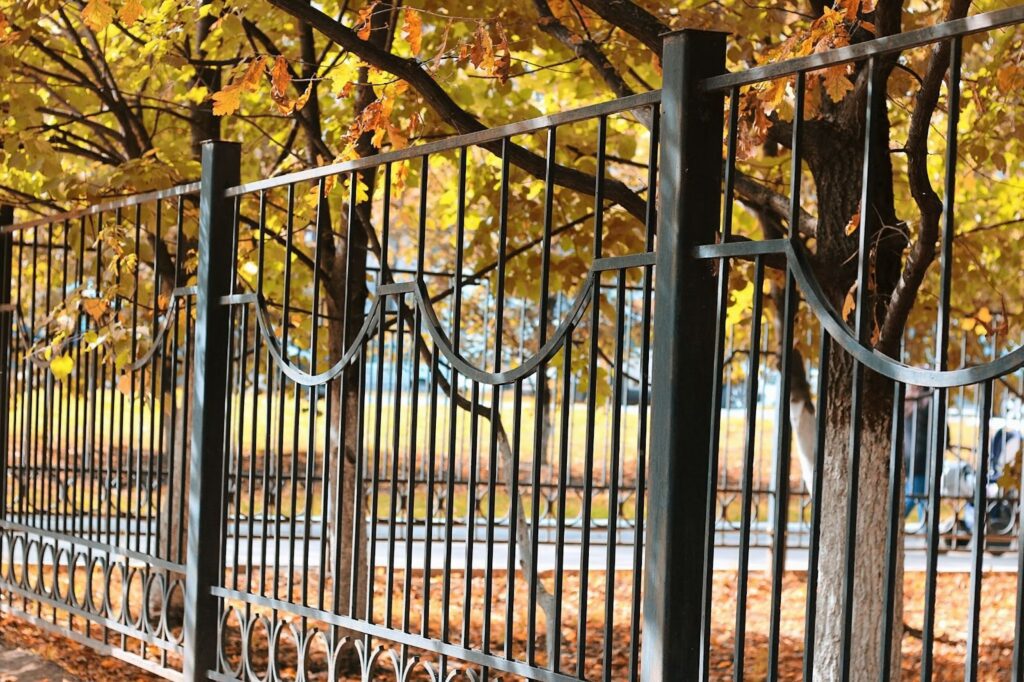
When you invest in a new fence, you are not just buying curb appeal—you are counting on that structure to protect your property for years to come. The posts are what truly determine how long the fence will last, because they carry the weight of the panels, resist wind, and anchor the fence to the ground. Steel fence posts are increasingly popular because they add strength and durability without dramatically changing how the fence looks from the street. When they are paired with wood, vinyl, or composite panels, they create a hybrid system that blends the warmth of traditional materials with the toughness of steel. Understanding how steel fence posts support longevity helps you design a fence that looks good longer, resists common damage, and needs fewer major repairs over its lifetime.
Why Steel Fence Posts Are Critical For A Long-Lasting Fence
Every fence relies on its posts to stay upright, and steel fence posts are specifically designed to handle that job for the long term. While panels and pickets can be replaced relatively easily, posts are more difficult and expensive to swap out once they are set in concrete or driven deep into the soil. Steel offers excellent resistance to bending and breaking under wind loads, shifting soil, or the occasional hit from yard equipment. Unlike untreated wood, it does not swell or shrink with moisture changes, helping keep panels straighter and gates operating smoothly. By focusing on stronger, more stable posts from the start, you give the entire fencing system a foundation that can support many years of everyday use and weather exposure.
How Steel Fence Posts Support Wood and Vinyl Fencing Systems
Steel fence posts are a quiet upgrade that dramatically extends the lifespan of wood and vinyl fences. When you attach wood or vinyl rails to a steel backbone, the panels no longer rely on vulnerable wood posts that can rot, twist, or snap at ground level. This hybrid approach lets you enjoy the classic look of wood or the low-maintenance appeal of vinyl while benefiting from the internal strength of steel. Over time, the fence is less likely to lean, sag, or fail in sections, which means fewer major repairs and panel replacements. For homeowners in areas with strong winds, heavy rain, or expansive soils, that extra rigidity can be the difference between a fence that just survives and one that stays reliable year after year.
Reducing Rot Problems
Using steel fence posts removes the weakest point in many fences—the wood that sits where soil and moisture meet. With metal carrying the load, wood or vinyl components avoid constant ground contact, which helps them last longer.
Keeping Fence Lines Straighter
Steel fence posts resist warping and twisting, so lines of panels are less likely to develop waves or dips. That stability keeps the fence looking newer and more carefully installed after many seasons.

Corrosion Protection and Coatings For Steel Fence Posts
One of the main concerns people have about steel fence posts is the potential for rust, but modern products are engineered with multiple layers of protection. Many steel posts are galvanized, meaning they have a zinc coating that helps shield the inner steel from moisture and oxygen. Some also receive additional powder coatings or paint systems that provide an additional barrier while improving appearance. When properly coated and installed with good drainage at the base, steel fence posts can perform reliably for decades without serious corrosion. The result is a post that resists both the visible signs of aging and the hidden structural weakening that often cuts the life of a fence short.
Galvanized Options
Galvanized steel fence posts are a common choice because the zinc layer helps protect against rust in everyday outdoor conditions. This makes them suited to residential yards, gardens, and perimeter fencing.
Powder-Coated Steel
Powder-coated steel posts add a baked-on finish over the galvanized layer, enhancing both protection and curb appeal. The coating helps resist chipping, scratching, and fading for a cleaner look over time.
Installation Practices That Help Steel Fence Posts Last Longer
Even the strongest steel fence posts need proper installation to deliver their full lifespan. Setting posts to the correct depth, typically below the frost line in colder regions, helps prevent heaving and leaning as the soil expands and contracts. Using quality concrete or compacted gravel around the base improves stability and allows water to drain away instead of pooling and promoting corrosion. It is also important to align and brace posts carefully during installation so they cure plumb and true, providing a straight foundation for the rails and panels. When you combine resilient materials with solid installation practices, you get a fencing system that is far more likely to withstand storms, shifting ground, and everyday wear and tear.
Post Depth and Footing Design
Proper post depth ensures steel fence posts are anchored against wind and soil movement. Strong footings reduce the risk of future leaning or tilting that can shorten a fence’s usable life.
Drainage Around The Base Of Posts
Good drainage at the base of steel fence posts helps limit long-term moisture exposure. This simple detail plays a significant role in keeping coatings intact and corrosion at bay.
Comparing Steel Fence Posts To Traditional Wood Posts
Traditional wood posts are familiar and can blend smoothly with wood fencing, but they are typically the first part of a fence to fail. Wood is vulnerable to insects, rot, and constant cycles of wet and dry conditions, especially where it meets soil. Even treated lumber eventually breaks down, and once a wood post rots at the base, entire sections of fence can lean or collapse. Steel fence posts, by contrast, maintain their strength far longer under the same conditions and are less likely to snap or crumble at ground level. This difference in performance means a fence supported by steel posts will often outlive one built solely on wood posts, even if both use similar panels and pickets.
Maintenance Strategies To Maximize The Life Of Steel Fence Posts
Steel fence posts are naturally low maintenance, but a few simple habits can help them last even longer. Periodically walking the fence line and checking for loose brackets, missing screws, or signs of impact damage allows you to address issues early. Removing heavy dirt, grass clippings, and yard debris from the base of posts helps prevent moisture from becoming trapped, which can slowly wear down protective coatings. If you catch scratches or chips in the finish, touching them up with compatible paint can keep rust from getting a foothold. These small tasks are minor compared to the work of replacing rotted posts or rebuilding sagging panels, yet they can add years to the effective lifespan of your fencing system.
Visual Inspections After Severe Weather
After strong winds or storms, a quick look along your fence can reveal posts that have shifted or fasteners that are damaged. Fixing these problems promptly prevents minor issues from becoming structural failures.
Touch-Up Coating
Spot-treating bare metal areas with rust-inhibiting paint helps preserve the underlying steel. This simple maintenance step supports the long-term durability of the entire fence line.
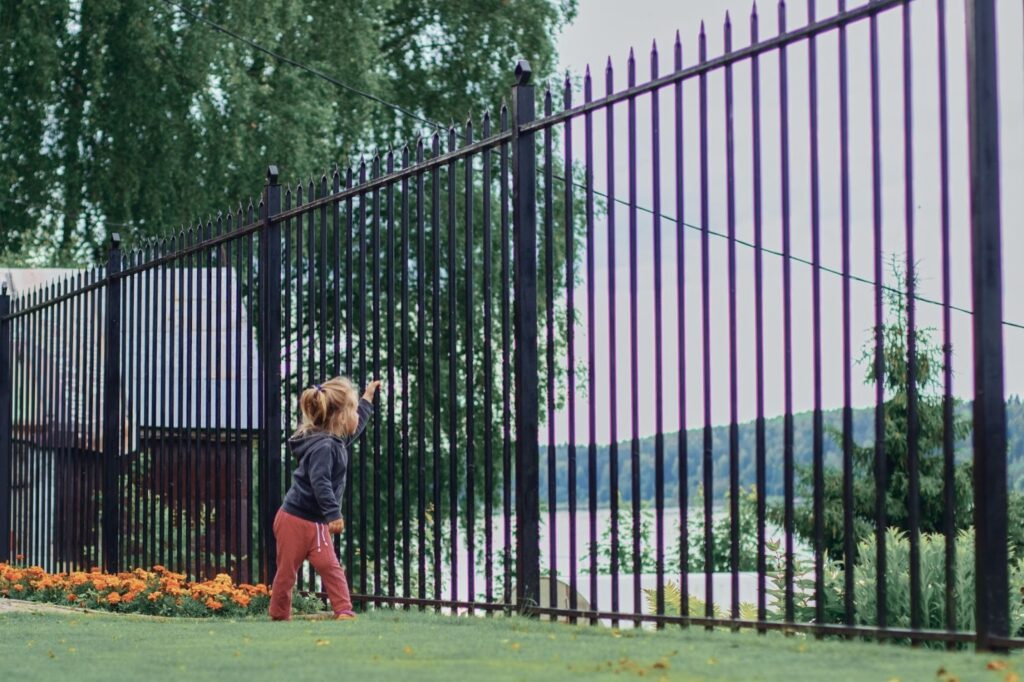
How Steel Fence Posts Perform In Different Soil and Climate Conditions
Steel fence posts offer reliable performance across a wide range of climates and soil types, making them a versatile choice for many properties. In areas with expansive clay soils, their higher strength helps resist movement as the ground swells and contracts throughout the year. In coastal or high-moisture environments, galvanized and coated steel holds up better to damp conditions than wood, which can quickly deteriorate at the ground line. Even in regions with heavy frost, properly embedded steel posts are less likely to snap when the soil shifts. By choosing steel fence posts rated for your local conditions, you give your fence a better chance of staying upright and secure, no matter what the weather brings.
Performance In High-Wind Regions
In windy areas, steel fence posts provide added resistance to lateral forces that can stress panels and rails. Their rigidity helps keep the fence standing straight when gusts pick up.
Advantages In Wet Or Coastal Locations
Where moisture and salt are constant challenges, coated steel fence posts offer more predictable longevity than unprotected wood. Their resistance to rot and decay supports a more stable, durable fence.
Why Steel Fence Posts Are A Smart Long-Term Investment
When you consider the total cost of a fence over its entire life, steel fence posts often prove to be a smart upgrade rather than an unnecessary expense. They can reduce the risk of catastrophic failures like leaning lines, broken posts, or collapsed sections that require major repairs. Because the posts last longer, you can refresh panels or change styles in the future without rebuilding the underlying structure. This flexibility is valuable for homeowners who plan to stay in their property and want a fence that can adapt as landscaping or design preferences change. Ultimately, choosing steel fence posts is less about overbuilding and more about investing in a reliable foundation that helps any fencing system perform better and longer.
Visit our Saddleback Fence and Vinyl Products blog to learn more about the structural value of steel fence posts.