

When you invest in a new fence, you want to know it will hold up to years of weather, kids, pets, and everyday use without constantly breaking down. A vinyl fence has a reputation as one of the more durable options on the market, especially compared to basic wood that requires frequent repairs. Instead of worrying about rot, peeling paint, or insect damage, you get a material engineered to withstand outdoor conditions with less fuss. Still, it is reasonable to ask how that durability actually shows up in real life, and what can shorten or extend the fence’s lifespan. Understanding how a vinyl fence is built—and how it behaves over time—helps you decide whether it is the right long-term choice for your property.
Why A Vinyl Fence Is Designed For Long-Term Performance
The durability of a vinyl fence starts with the material itself: rigid PVC that is manufactured specifically for outdoor use. Unlike wood, which absorbs moisture and can swell, crack, or rot, vinyl does not take in water the same way, so it is far less likely to warp or decay from rain and humidity. Many quality systems also use thicker walls and multi-chambered rails or posts that help resist impact and flexing. The result is a fence that can stand up to everyday stress—like strong winds and temperature swings—without losing its shape or structural integrity as quickly as more vulnerable materials.
Material Composition and Structure
Outdoor-grade PVC is engineered to be tough and stable in changing weather. Internal chambers and thicker profiles give the vinyl fence more strength than it might appear at first glance.
Hidden Reinforcement
In some designs, metal inserts are added to posts or rails for extra rigidity. These reinforcements help the vinyl fence resist sagging or bowing in high-stress areas, such as gates and corners.
How A Vinyl Fence Handles Sun, Heat, and Fading
Sun exposure is one of the biggest challenges for any fence, and it is a major test of durability for long-term installations. A vinyl fence is formulated with UV inhibitors that help slow down fading, chalking, and brittleness caused by constant sunlight. Light colors, such as white or almond, typically hold up exceptionally well because they reflect more sunlight and stay cooler than darker shades. While some gradual color softening over many years is normal, you will not usually see the same level of peeling, flaking, or bare spots that painted wood can develop. This ability to maintain a clean, consistent appearance is a big part of what makes a vinyl fence feel durable to homeowners.
Weather Resistance Of A Vinyl Fence In Wet Or Harsh Climates
Rain, snow, and damp conditions can dramatically shorten the life of materials that absorb moisture or rely on surface coatings to stay intact. A vinyl fence, however, is not prone to rot or rust because the material does not break down in the same way that wood and bare metal do when repeatedly soaked. The smooth surface makes it harder for mold and mildew to penetrate deeply, so cleaning is typically enough to restore a fresh look. In areas with heavy storms, the real test becomes how well the posts are anchored and how the panels are connected, not whether the vinyl itself can withstand the elements. When installed correctly with appropriate footings and hardware, a vinyl fence can perform reliably in a wide range of climates, from rainy regions to places with freeze-thaw cycles.
Everyday Impact and Wear On A Vinyl Fence Around The Home
Daily life around a yard puts any fence to the test, and a vinyl fence is built to withstand plenty of routine bumps and scrapes. Flexible yet sturdy panels can absorb minor impacts from kids at play, pets brushing against the boards, or yard equipment passing nearby. Unlike older, brittle plastics, modern vinyl formulations are better at resisting small cracks and fractures from these day-to-day encounters. That said, no fence is completely immune to damage from strong, concentrated force, like a falling tree limb or a vehicle hit. The advantage is that individual panels or rails in a vinyl fence can usually be replaced without rebuilding the entire run, keeping repairs more contained.
Family and Pet Activity
Dogs jumping, balls hitting, and kids running along the fence are common sources of stress. A quality vinyl fence can handle this kind of activity without splinters or sharp edges developing.
Yard Equipment and Accidental Contact
Occasional contact from lawn mowers or trimmers may scuff the surface but rarely compromises the structure. Being mindful of posts and corners helps prevent deeper gouges or cracks.
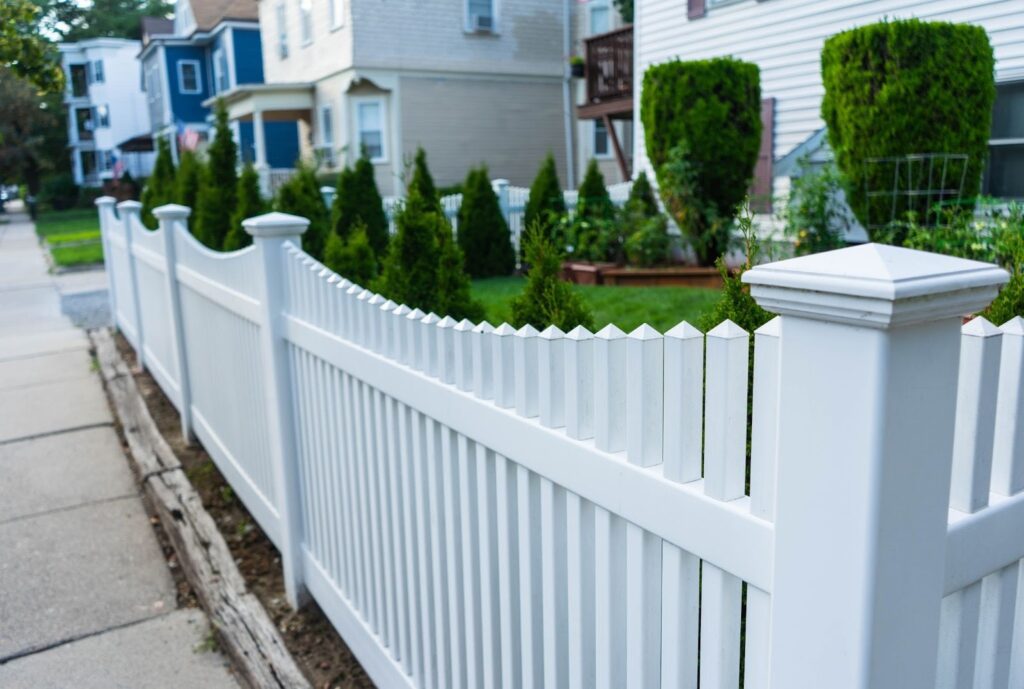
Maintenance Needs That Affect A Vinyl Fence’s Lifespan
Durability is not only about what a material can survive—it is also about how much care it requires to stay in good shape. One of the biggest strengths of a vinyl fence is its low maintenance profile compared to wood, which needs regular painting or staining to protect it from the elements. For vinyl, basic care usually means rinsing off dirt and grime with a hose and occasionally using mild soap for more stubborn stains. Because there is no finish to peel or flake, you do not have to worry about sanding or refinishing large areas. This simple routine helps the fence keep its structure and appearance over many years without the constant upkeep that can shorten the life of more demanding materials if neglected.
Simple Cleaning Routines
A quick wash a few times a year is often enough to keep a vinyl fence looking bright. Avoid harsh chemicals and abrasive tools so the surface stays smooth and intact.
Spot Checks and Minor Fixes
Checking for loose caps, brackets, or hardware during regular yard work helps catch minor issues early. Addressing these details promptly can prevent bigger problems from developing later.
Comparing The Durability Of A Vinyl Fence To Wood and Metal Fencing
When deciding if a vinyl fence is durable enough for your property, it helps to see how it compares to more traditional options. Wood has natural charm but is vulnerable to rot, insect damage, and the constant cycle of wet and dry conditions, especially when it comes into contact with soil. Metal fences can be powerful, but if the protective coating is compromised, rust and corrosion can gradually weaken posts and rails. A vinyl fence avoids both of these common problems by resisting moisture absorption and not relying on paint for protection. Although heavy impacts can damage any material, vinyl typically maintains its structure and surface with less effort, giving it an edge for long-term, low-maintenance performance in many residential settings.
Lifespan Expectations For A Vinyl Fence On Residential Properties
Lifespan expectations for a vinyl fence vary, but most homeowners find that a quality installation offers reliable performance for many years with only minimal upkeep. Instead of thinking in terms of quick fixes, it helps to view a vinyl fence as a long-term improvement that should stay structurally sound and attractive well beyond the first few seasons. When posts are appropriately set, panels are installed correctly, and simple cleaning becomes part of your routine, you are far more likely to enjoy a fence that ages slowly and predictably.
Factors That Can Shorten Or Extend A Vinyl Fence Service Life
Even though a vinyl fence is built for durability, its real-world lifespan still depends on how it is chosen, installed, and cared for. Thicker-walled components and higher-quality formulations are more resistant to cracking and UV damage, especially in harsh climates. A professional installation that sets posts to the correct depth, uses proper footings, and allows for thermal expansion will help the fence stay straight and secure over time. Site conditions, such as poorly draining soil or constant contact with sprinklers, can also influence how fast posts and hardware wear. When you combine high-quality materials, proper installation, and basic maintenance, a vinyl fence can provide dependable service for many years.
Quality Materials and Hardware
Not all vinyl fence products are created equal. Choosing trusted brands and solid hardware improves resistance to weather, movement, and daily use.
Professional Installation
Experienced installers understand how to handle slopes, soil, and local conditions. Their work helps ensure the vinyl fence performs as intended rather than failing due to preventable mistakes.
Local Climate and Site Conditions
Extreme heat, intense sun, or poorly draining ground can add stress to any fence. Planning for these realities when selecting and installing a vinyl fence supports a longer lifespan.
Is A Vinyl Fence Durable Enough For Your Long-Term Plans?
Ultimately, deciding whether a vinyl fence is durable enough comes down to your expectations and how you plan to use your outdoor space. If you want a fence that can handle everyday family life, stand up to normal weather, and stay attractive with minimal maintenance, vinyl is often a strong match. It may not be indestructible, but it is designed to avoid many of the problems that shorten the life of wood or unprotected metal. When you invest in quality materials, pair them with proper installation, and give the fence basic care, you can expect it to provide a reliable, good-looking boundary for years. For many homeowners, that combination of resilience and ease of ownership is exactly what durability should look like.
Visit our Saddleback Fence and Vinyl Products blog to learn more about the durability of vinyl fences.