
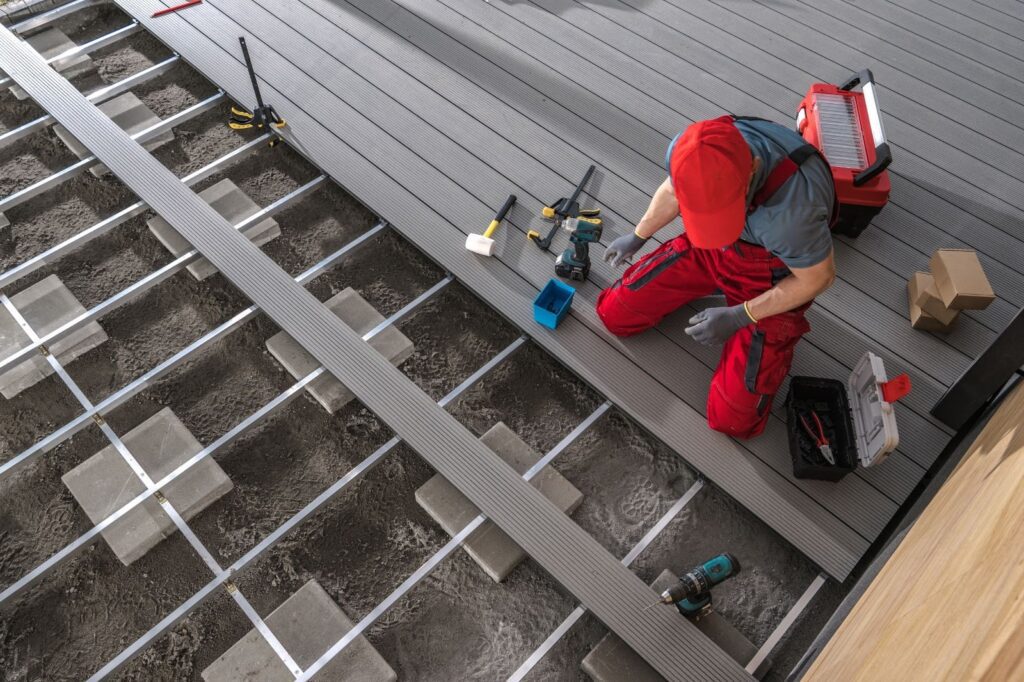
Many homeowners expect a simple estimate when planning a new outdoor space. Costs often shift once design choices and site conditions come into focus. Materials, labor, and added features all shape the final price in different ways. Small upgrades can quietly increase expenses without a clear warning at first glance. Knowing what affects the cost of installing a deck helps you plan with clarity and avoid costly missteps.
What Affects Deck Installation Costs
Planning a deck involves more than choosing a design that fits your backyard. Pricing often shifts once real-world factors come into play during construction. Contractors evaluate several elements before giving a reliable estimate for the project. These cost drivers shape how much you will spend from start to finish. Understanding these factors gives you a clearer path before reviewing the details below.
Deck Size and Layout Costs
Deck size directly affects pricing because larger builds require more materials and labor. Layout design also shapes costs, as complex structures require additional framing and planning. Straightforward layouts cost less because they involve simpler measurements and faster installation. Understanding both size and layout helps homeowners set realistic expectations before starting construction.
Cost Per Square Foot Breakdown
Cost per square foot provides a baseline estimate for most deck projects. Larger decks increase total expenses because they require more boards, framing, and fasteners. This measurement model sometimes lowers per-foot cost as size increases due to labor efficiency. However, total investment still rises because of material volume and structural needs. Waste from cutting boards and fitting edges also adds to the final cost. A 200-square-foot deck typically costs far less than a 500-square-foot structure, even with similar materials.
Multi-Level Deck Cost Impact
Multi-level decks cost more because they require added framing and structural support. Each level needs proper alignment to maintain safety and durability over time. This design complexity increases labor hours and material use across the entire build. Stairs and transitions between levels also increase the overall cost. Contractors must follow stricter building codes for elevated sections. These requirements push multi-tier designs into a higher price range than single-level decks.
Complex Shapes and Custom Layouts
Custom deck shapes increase costs due to additional planning and precise construction. Curves and angles require specialized cuts, which increase material waste and labor time. This design approach often includes built-in seating or decorative borders that add further expense. Contractors must adjust framing techniques to properly support unique layouts. These adjustments increase both time and skill requirements during installation. Even small custom features can raise the total deck installation cost more than expected.
Material Costs and Options
Deck material selection defines both upfront cost and long-term value for homeowners. Wood options cost less initially but often require ongoing maintenance to stay in good condition. Composite and PVC materials cost more upfront but reduce maintenance over time. Choosing the right material depends on your budget, climate, and preferred level of upkeep.
Pressure-Treated Wood Pricing
Pressure-treated wood offers one of the most affordable entry points for deck construction. This material resists insects and moisture better than untreated lumber, which improves durability. However, it requires sealing and staining to prevent cracking and warping over time. These maintenance tasks add recurring costs that homeowners must consider. This option works well for budget-conscious projects with simple designs. Many contractors recommend it for homeowners who prioritize lower upfront expenses.
Hardwood Decking Cost Comparison
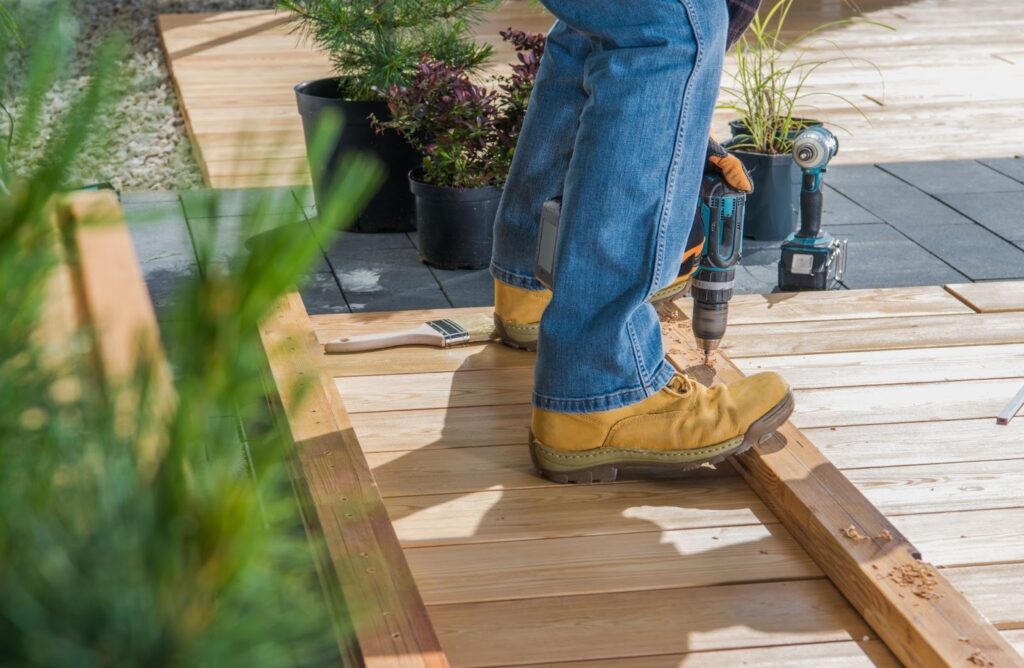
Hardwood decking costs more because it offers natural strength and a richer appearance. Materials like cedar or redwood resist decay and insects without heavy chemical treatments. This durability often extends the lifespan compared to basic wood options. However, regular care still helps maintain color and structural integrity. This investment appeals to homeowners who want a premium look with moderate upkeep. Over time, a longer lifespan can offset the higher initial price.
Composite Decking Cost Benefits
Composite decking costs more upfront but significantly reduces long-term maintenance demands. This material combines wood fibers and plastic to resist moisture, insects, and fading. Homeowners save time and money because they do not need to seal or stain regularly. Installation may cost more due to hidden fasteners and specialized systems. This option provides a consistent appearance that lasts for many years. Many builders recommend composite decking for its durability and low maintenance.
PVC Decking and Premium Materials
PVC decking sits at the higher end of deck material pricing due to its durability. This material resists moisture completely, which makes it ideal for humid or coastal areas. Homeowners benefit from minimal maintenance and long-lasting performance. This option also resists staining and fading better than many alternatives. The higher cost reflects its reliability and low upkeep needs. Many premium projects feature PVC for a clean, modern finish.
Labor Costs and Contractor Rates
Labor costs cover the work required to build a safe and durable deck. Skilled deck builders charge more because they bring experience and efficiency to the project. Pricing varies based on location, project scope, and contractor expertise. Understanding labor costs helps homeowners compare quotes and avoid unexpected expenses.
Contractor Rates and Skill Level
Contractor rates depend on experience, reputation, and quality of work delivered. Skilled builders often charge higher fees because they complete projects efficiently and accurately. This expertise reduces the risk of costly mistakes or structural issues later. Less experienced crews may offer lower rates but take longer to finish. This difference in speed can increase overall labor costs over time. Homeowners should weigh cost against reliability when choosing a contractor.
Regional Labor Cost Differences
Labor costs vary by region due to demand and the availability of skilled workers. Urban areas typically have higher rates than rural areas. This regional difference significantly affects the overall cost of installing a deck. Contractors may also charge travel fees if the job site is far from their base. Seasonal demand can raise prices when many homeowners schedule projects at once. These factors make location an important part of budgeting.
Timeline and Crew Size Effects
Project timelines influence labor costs because longer builds require more paid hours. Larger crews can complete work faster, but often increase daily expenses. Smaller teams may reduce daily costs but extend the total project duration. This balance affects how labor costs accumulate over time. Weather delays can also extend timelines and increase expenses. Clear scheduling helps control labor costs and keeps the project on track.
Site Preparation and Condition Costs
Site preparation costs depend on the condition and accessibility of your property. Flat, stable ground reduces preparation work and speeds construction. Uneven terrain or limited access increases labor time and material requirements. Evaluating site conditions early helps homeowners plan for these additional costs.
Ground Leveling and Soil Conditions
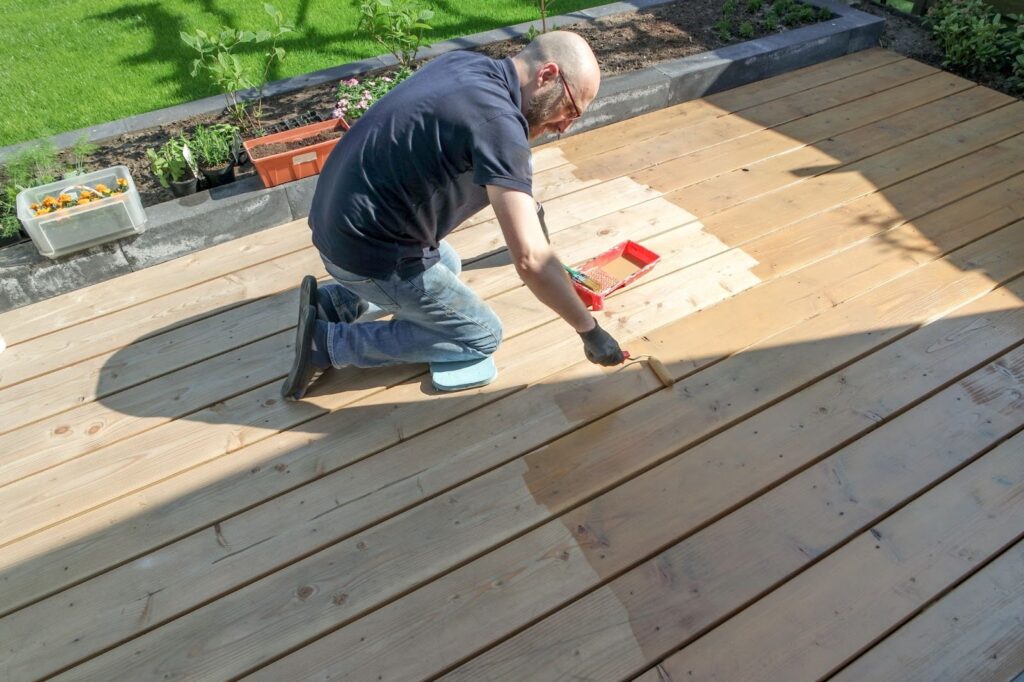
Ground leveling involves preparing the surface to support a stable deck structure. Sloped yards require excavation and additional support to maintain safety. This preparation increases labor and material costs before construction begins. Soil type also affects how easily workers can install footings and supports. Loose or rocky soil may require deeper foundations for stability. These factors can raise the total project cost beyond initial estimates.
Accessibility and Material Handling
Accessibility affects how easily workers can move materials and equipment. Tight spaces or limited entry points slow down construction and increase labor time. This challenge often requires manual material handling, which increases costs. Delivery logistics may also become more expensive in hard-to-reach areas. This limitation can affect both labor and material pricing. Easy access helps keep installation efficient and more affordable.
Demolition and Removal Costs
Removing an old deck adds extra steps before new construction can begin. Contractors must dismantle existing structures and dispose of materials safely. This process increases labor hours and hauling expenses. Hidden damage underneath may require repairs before rebuilding starts. This situation can raise costs unexpectedly during the project. Planning for demolition helps homeowners avoid budget surprises.
Add-Ons and Custom Feature Costs
Additional features raise the total cost because they require extra materials and labor. Many homeowners include upgrades to improve comfort and functionality. These additions can enhance outdoor living but also expand the budget. Carefully choosing features helps balance value and overall cost.
Railings and Safety Feature Costs
Railings provide safety and enhance the deck’s visual appeal. Wood railings cost less but require maintenance over time. Metal and glass options cost more but offer a modern appearance and durability. This design choice affects both material and installation expenses. Taller decks require stronger and more secure railing systems. These factors increase the overall cost of installing a deck.
Built-In Seating and Storage Costs
Built-in seating adds convenience and reduces the need for outdoor furniture. This feature requires additional framing and materials during construction. Custom designs increase labor time and planning requirements. This upgrade creates a seamless and functional outdoor space. Homeowners often value the added storage and seating options. These benefits come with a noticeable increase in total cost.
Lighting and Electrical Additions
Deck lighting improves usability and safety during evening hours. Installing electrical systems requires skilled professionals and proper permits. This setup includes wiring, fixtures, and safety components that add to costs. Energy-efficient lighting can reduce long-term operating expenses. This feature also enhances the space’s overall ambiance. Proper planning helps manage these additional costs effectively.
Outdoor Living Feature Costs
Outdoor features like pergolas or fire pits expand how you use the deck. These additions require extra materials and structural support during installation. This expansion increases both labor and design complexity. Waterproofing systems may also be needed for elevated decks. This feature improves comfort but adds to the total budget. Homeowners often include these upgrades for long-term enjoyment.
Long-Term Deck Cost Considerations
Long-term costs include maintenance, repairs, and the lifespan of materials. These factors influence how much you spend after installation is complete. Some materials require frequent upkeep, while others are low-maintenance. Considering long-term costs helps homeowners make smarter investment decisions.
Maintenance Costs Over Time
Maintenance costs depend on the type of material used for your deck. Wood decks require regular sealing and staining, as well as occasional repairs. This upkeep adds recurring expenses throughout the deck’s lifespan. Composite and PVC materials significantly reduce maintenance needs. This advantage lowers long-term costs for many homeowners. Regular care still helps preserve appearance and structural integrity.
Lifespan and Material Durability
Material lifespan affects how often you need to repair or replace your deck. Pressure-treated wood may last over a decade with proper care. Composite materials often last longer with less maintenance required. This durability reduces replacement costs over time. PVC decking can extend lifespan even further in many environments. Choosing durable materials helps lower long-term expenses.
Return on Investment for Homeowners
A well-built deck can increase property value and attract potential buyers. Outdoor living spaces appeal to many homeowners looking for added functionality. This improvement can offer a reasonable return when selling your home. However, overly expensive features may not always recover full costs. Balanced upgrades provide better value. Thoughtful design choices support both enjoyment and resale potential.
Manage Your Deck Building Costs
Every decision you make shapes your total deck budget more than most expect. Clear planning, smart material choices, and the right contractor can prevent unnecessary spending. Small adjustments during the planning stage often lead to better long-term value. Waiting too long or rushing decisions can lead to higher costs and limited options. Start reviewing your priorities now so your investment delivers both comfort and lasting value.
Get a better handle on your project before making decisions. Explore the Saddleback Fence and Vinyl Products blog for expert guidance and real-world tips.