
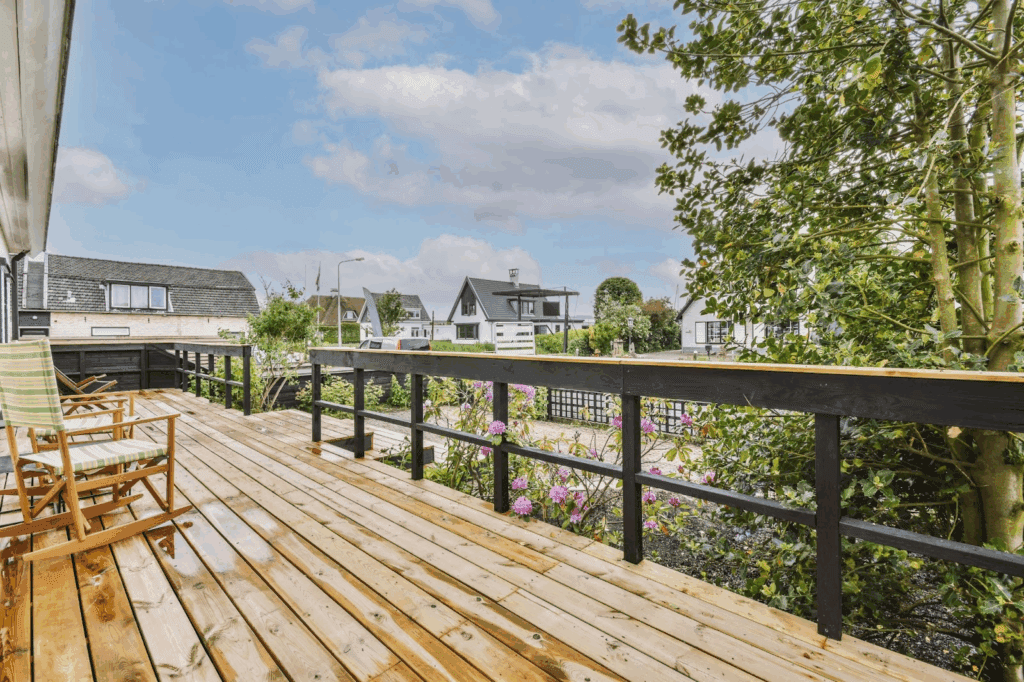
The rail is the line your eye follows every time you step outside. Thoughtfully planned deck railing can make a small platform feel expansive, connect the architecture to the landscape, and signal quality before anyone takes a seat. It sets the horizon, determines sightlines from the kitchen window, and influences how furniture layouts settle. When proportions, materials, and details align, the deck reads as an outdoor room rather than an add-on, and everyday moments—such as morning coffee, weeknight dinners, and late-night talks—feel easier and more intentional.
Sightlines and Views: Railing for Decks That Frame, Not Block
If your yard’s best feature is the view, your rail should behave like a picture frame. Low-profile top rails, slender balusters, cable, or glass panels keep horizons open and eliminate the visual heaviness that makes spaces feel boxed in. Consider the seated eye level from your primary chairs; that line, not just the building code height, will dictate how open the landscape feels from day to day. The goal is to achieve a clear edge that provides safety without detracting from the beauty of trees, water, or the skyline.
Set The Horizon
Size the top rail from a seated perspective so the line doesn’t cut across the middle of your view.
Keep Corners Open
Use slimmer posts or mitered glass at turns to avoid bulky junctions that block sightlines.
Material Choices for Railing for Decks: Wood, Metal, Cable, Glass
Materials set the tone and maintenance. Warm woods offer tactile comfort and classic character, pairing beautifully with plantings and traditional façades, but require periodic finishing. Powder-coated aluminum or steel delivers crisp lines with minimal upkeep and resists warping, ensuring gates and sections remain aligned. Cable infill nearly erases the barrier when viewed from a distance, while tempered glass preserves vistas and cuts wind for comfortable shoulder seasons. Composites and PVC rails provide color stability and low maintenance in high-sun regions. Choose the material that supports your climate reality, your tolerance for care, and the story you want the deck to tell.
Complement the Façade with Railing for Decks
Color is a design lever, not an afterthought. Dark rails tend to recede, making greenery and distant views feel richer; lighter tones evoke a coastal and airy feel, reflecting heat and harmonizing with pale siding. If your home features black-framed windows or a distinctive fascia, echo that finish so the deck feels native to the architecture rather than attached later. Always test samples on site at multiple times of day—morning shade, noon sun, and evening glow can make the same swatch read like three different colors.
Match Existing Metals
Align rail color with door hardware, lighting, or window frames to create a cohesive thread.
Test In Real Light
View samples against siding and flooring under sun and shade; artificial light lies, daylight tells the truth.
Ergonomics and Daily Use of Railing for Decks You Love to Touch
The part you touch most deserves care. A slightly rounded top rail feels better in the hand than a sharp square edge and sheds water more quickly after rain. Width matters too: a 2½–3½ inch top rail offers confidence without looking bulky and can double as a casual rest for a glass during conversations. For stairs, consistent graspable profiles improve safety and comfort, especially for kids and older guests. Quiet railings are often the ones designed at human scale—nothing flashy, just right where it counts.
Railing for Decks That Pass Inspection
Good design respects rules because they’re written in real-world lessons. Baluster or infill spacing must prevent a 4-inch sphere from passing through, and guard heights are set to discourage falls. Stairs demand continuous graspable handrails and consistent riser/tread geometry. If you’re planning to use glass or cable, follow the manufacturer’s span tables and tension requirements so the system performs as intended. When safety details are dialed in, the deck feels calm and trustworthy without drawing attention to itself.
Mind The Spacing
Check infill gaps at corners and stair transitions, where errors are most likely to occur.
Confirm Height And Loads
Use span charts and fastening schedules that match local wind, snow, and seismic requirements.
Filter Views with Railings for Decks
Close neighbors don’t require tall walls. You can tune privacy with partial screens—horizontal slats at seated eye level, narrow vertical battens that echo tree trunks, or frosted glass bands that mask adjacent windows. Keep the upper and lower thirds more open to maintain air and light. The point isn’t to barricade but to edit, so the space remains social while protecting the moments you want to keep to yourself.
Lighting and Power for Deck Railings After Sunset
After dark, rails serve two purposes: marking edges and setting ambiance. Cap lights wash the walking surface softly, post-side LEDs trace perimeters without glare, and a discreet ribbon beneath the top rail can float the line like a halo. Warm color temperatures flatter wood tones and food, while cool light can feel clinical outdoors. Plan wiring routes through posts and along stringers to hide cables and protect connections. A few well-placed fixtures extend the deck’s usefulness without turning it into a light show.
Hide The Source
If you can see the diode, it’s probably too bright; aim for reflected glow.
Warm, Not Harsh
Choose warm white for hospitality; it feels inviting and photographs beautifully.
Build Railings for Decks for Your Region
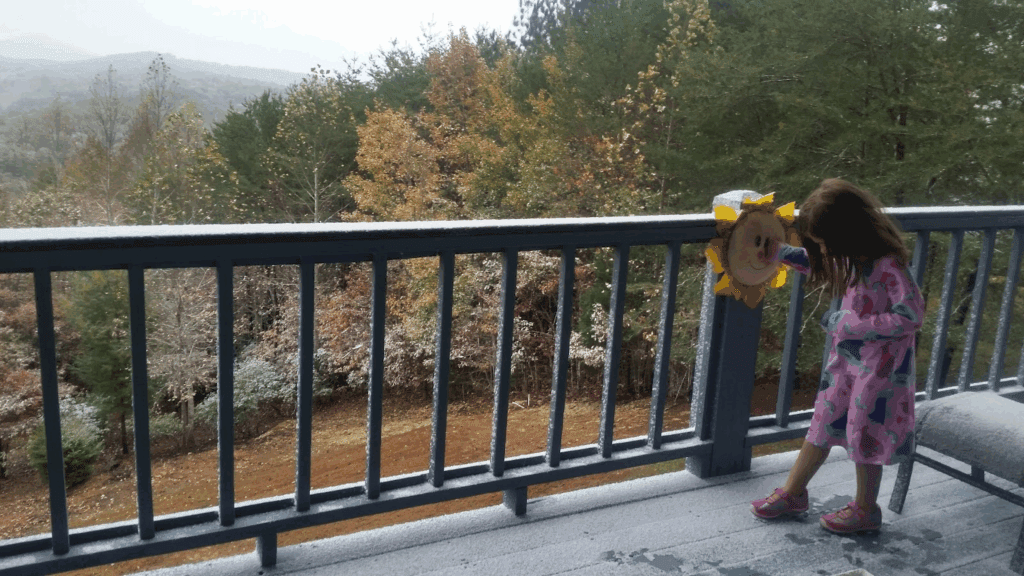
Your weather writes the rules. In coastal zones, corrosion-resistant coatings and stainless fasteners keep rails crisp as salt and wind test connections. In freeze–thaw climates, allow for drainage and movement at panel junctions and use sealants designed for temperature swings. High-UV regions are best suited for matte finishes and lighter colors that stay cooler. Pick materials and finishes that match the stressors you actually have; the right choices at purchase time save years of minor frustrations later.
Railing for Decks That Work in Real Life
Homes are busy. For families, tighter picket spacing reduces the risk of toy drops and discourages climbing. A flat yet modestly wide top rail provides parents with a place to set a glass while supervising their child. Align gates with natural paths from the kitchen or yard so guests don’t cut through seating zones. Near grills and high-traffic areas, opt for tougher finishes that resist bumps from carts and coolers. When circulation feels intuitive, the deck hosts more comfortably at every headcount.
Plan Gate Locations
Place gates on desire lines; block surprise shortcuts through conversation areas.
Choose Climb-Resistant Patterns
Verticals over horizontals help discourage little feet from scaling the rail.
Details that Elevate Your Railings for Decks
Great rails look solid from twenty feet and precise from two. Plumb posts, consistent baluster spacing, and miters that meet cleanly communicate care. Hidden fasteners keep the focus on lines rather than hardware, and field cuts are sealed according to the manufacturer’s guidance, protecting longevity. Where stairs change direction, smooth transitions in top-rail geometry prevent awkward jogs that catch the eye. If you’re hiring, ask to see close-up photos of finished work, not just wide “after” shots—details tell you who you’re working with.
Budget and Phasing: Railing for Decks on a Timeline
You don’t have to do everything in one pass. Many projects start with structure and safety—posts, top rails, and code-compliant infill—then add upgrades like glass wind screens or integrated lighting later. Choose a system that allows for panel swaps and accessory add-ons without requiring redoing posts. Keep a simple file with product names, finishes, and installation notes, and order a few spare connectors or caps to avoid mismatches if you expand next season. When components are designed to evolve, your investment stretches farther.
Upgrade The Backbone First
Invest in posts and attachment hardware; the infill can evolve as tastes and needs change.
Document The Specs
Save color codes, profiles, and supplier info so future additions blend seamlessly.
Railing for Decks That Match Your Architecture
Architecture already sets a rhythm—roof pitch, window muntins, porch columns—and the deck should echo those cues. A slim, square top rail and narrow balusters read modern beside black-framed doors; a subtly profiled cap and slightly wider picket spacing feel right with craftsman trims. If your façade mixes brick, stone, or board-and-batten siding, let the rail act as the visual mediator by repeating one tone that appears elsewhere. Consistency across elevations creates a cohesive exterior.
Finishes for Your Deck Railings You’ll Notice in Photos
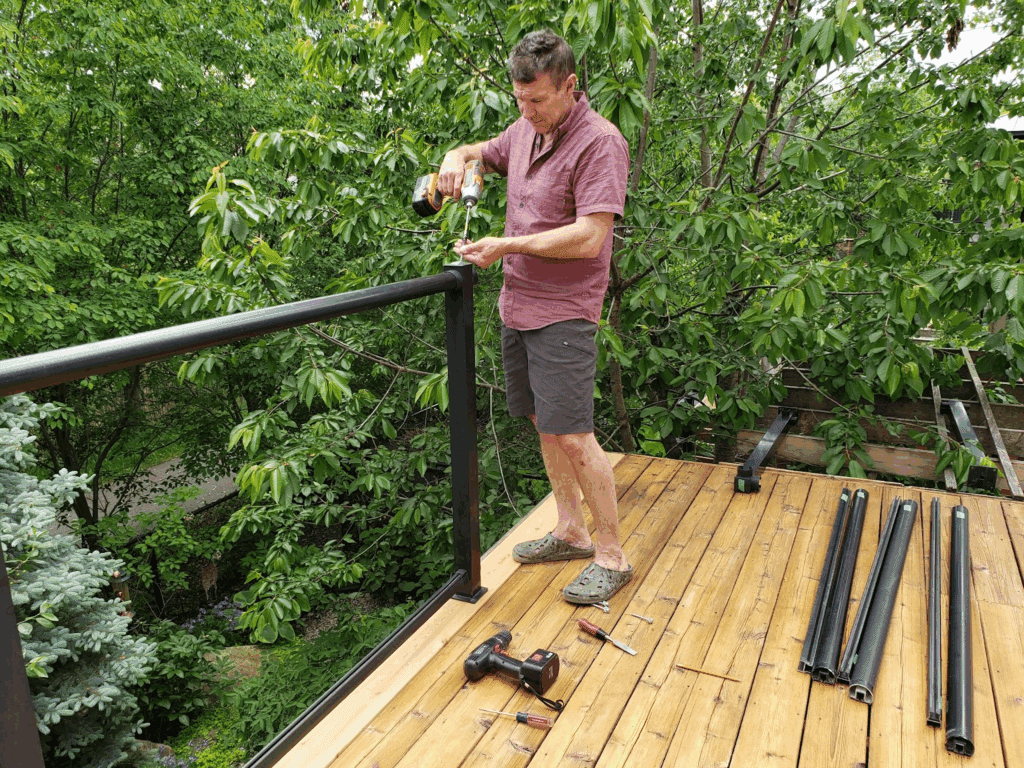
Surfaces read differently on camera than in person. Matte finishes avoid glare and help the deck photograph evenly at midday, while coarse embossing can appear busy under intense sun. If you love wood, a fine, wire-brushed finish minimizes scuffs and keeps the grain legible without looking shiny. With metals, avoid high-gloss powders unless you want reflections; satin and matte stay calmer. Thoughtful texture choices keep the rail elegant from every angle, on screens and in real life.
Have Railing for Decks That Do More
Rails can host a lot without looking crowded. A discrete drink rail along a viewing side encourages mingling during larger gatherings. Planter brackets soften edges with herbs or seasonal color—just maintain airflow behind them to keep moisture off surfaces. For small spaces, a fold-down shelf at grill height turns a tight corner into a functional prep zone. The trick is repetition: use the same finish and hardware language so additions feel like part of the original concept rather than bolt-ons.
Keep It Cohesive
Repeat the primary metal and wood tones across accessories to avoid visual noise.
Preserve Airflow
Leave space behind planters and shelves so surfaces dry quickly after rain.
Railing for Decks With a Lighter Footprint
Durability is sustainable. A system that stays tight and color-true for years avoids the waste of early replacement. Choose recyclable metals where possible, verify coatings are low-VOC, and design for replaceable sections so accidents don’t trigger large tear-outs. If wood is your choice, source responsibly and plan a finish schedule you’ll actually follow; care you can keep up with is better for both the deck and the planet. When longevity and maintainability come first, the green story follows naturally.
Boost Buyer Confidence with Railing for Decks That Suit the Space
Buyers respond to spaces that look effortless to live with. Straight lines, even color, sturdy gates, and quiet stairs read as quality. Keep receipts, product specs, and any warranty paperwork in a simple packet you can share later. If you’ve upgraded lighting or privacy screens, capture before-and-after photos so the improvement story is easy to tell. A deck that presents as move-in ready supports stronger offers and smoother appraisals.
Railing for Decks That Feel Custom
Custom isn’t code for complicated; it means the rail reflects how you actually live. Start with the view and the paths people take. Choose materials that fit your climate and upkeep preferences, and tune the color and texture to the house. Layer privacy and lighting where they improve daily comfort, and leave room for additions as your routines evolve. When all those choices line up, the rail becomes a quiet partner: safe, beautiful, easy to touch, and perfectly at home—proof that the right railing for decks is the detail that makes the whole outdoor space sing.
Check out the Saddleback Fence and Vinyl Products blog to learn more about railing for decks that can elevate your outdoor space.