

Outdoor living has become part of how homeowners use their properties year-round. Patios are no longer occasional gathering spots but everyday spaces for meals, relaxation, and time with family. Custom patio covers respond to that shift by offering shade and protection designed around the home itself. These structures feel permanent and intentional rather than temporary or decorative. When planned carefully, a custom solution supports comfort, usability, and long-term property value.
What Custom Patio Covers Are and Why They Matter
Custom patio covers are permanent outdoor structures built to match a specific home, patio layout, and climate. Unlike prefabricated kits, these covers adapt to rooflines, elevation changes, and local building requirements. Homeowners choose custom options when they want predictable shade, reliable weather protection, and a cohesive look. That level of planning allows patios to remain usable across seasons without feeling disconnected from the rest of the home.
Defining a Custom Patio Cover
A custom patio cover is designed using on-site measurements. This tailored process allows builders to adjust height, roof slope, and attachment points to suit the home’s structure. The design also considers how people move through the space during daily use. Wind exposure, sun angles, and drainage patterns guide structural decisions. These details improve comfort while reducing long-term wear. The finished result feels integrated rather than added as an afterthought.
Practical Reasons Homeowners Install Patio Covers
Many homeowners install patio covers to control intense sunlight during peak hours. Shaded areas help protect outdoor furniture from fading and cracking. Covered patios also allow outdoor dining when light rain would otherwise disrupt plans. Families gain a dependable space for gatherings and everyday activities. Children can play outdoors without constant exposure to the sun. Over time, consistent use makes the investment worthwhile.
Lifestyle Benefits of Covered Outdoor Spaces
Covered patios support a wider range of daily routines. Morning coffee feels more comfortable without direct sun. Evenings remain usable despite lingering heat. These spaces also support ceiling fans, lighting, and heaters. Such additions make patios functional year-round. As a result, outdoor living becomes part of everyday home life rather than a seasonal option.
Materials Used in Custom Patio Covers
Material selection shapes how a patio cover performs over time. Climate conditions often determine which materials last longest. Homeowners should balance appearance with maintenance expectations. The right choice reduces future repair costs and preserves visual appeal.
Aluminum Patio Cover Materials
Aluminum patio covers provide durability with minimal maintenance. This material resists rust, moisture damage, and pests. Powder-coated finishes maintain color consistency for many years. Aluminum structures remain lightweight yet structurally strong. Homeowners in humid or coastal regions often prefer this option. These qualities make aluminum a practical long-term solution.
Wood Patio Cover Construction
Wood patio covers offer natural warmth that suits traditional home styles. Cedar and redwood remain common choices due to their resistance to decay. However, this wood construction requires regular sealing or staining. Sun exposure gradually changes color and texture. Consistent maintenance preserves strength and appearance. Homeowners who value natural aesthetics often accept this upkeep.
Vinyl and Composite Patio Covers
Vinyl and composite patio covers deliver a uniform appearance with limited maintenance. These materials resist moisture, insects, and surface cracking. Cleaning usually involves simple washing. Composite products often mimic wood grain without the same upkeep demands. Some materials are not well-suited to extreme heat. Verifying performance ratings helps avoid future issues.
Comparing Material Longevity and Costs
Material lifespan varies across options. Aluminum often lasts several decades with little care. Wood longevity depends heavily on climate and maintenance frequency. Composite materials typically fall between those ranges. Understanding these differences helps align budgets with expectations. Long-term planning reduces replacement and repair expenses.
Patio Cover Designs That Affect Comfort
Design decisions influence shade quality, airflow, and visual balance. Roof style determines how much light reaches the patio. Homeowners should consider function alongside appearance. A balanced design supports daily comfort without overwhelming the outdoor space.
Solid Roof Patio Cover Designs
Solid roof patio covers block sunlight and rain completely. This design works well for outdoor kitchens and dining areas. Insulation options help control heat buildup underneath. Proper roof slope directs water away from the home. These covers provide dependable shelter year-round. Homeowners seeking consistent protection often prefer this style.
Lattice and Pergola-Style Covers
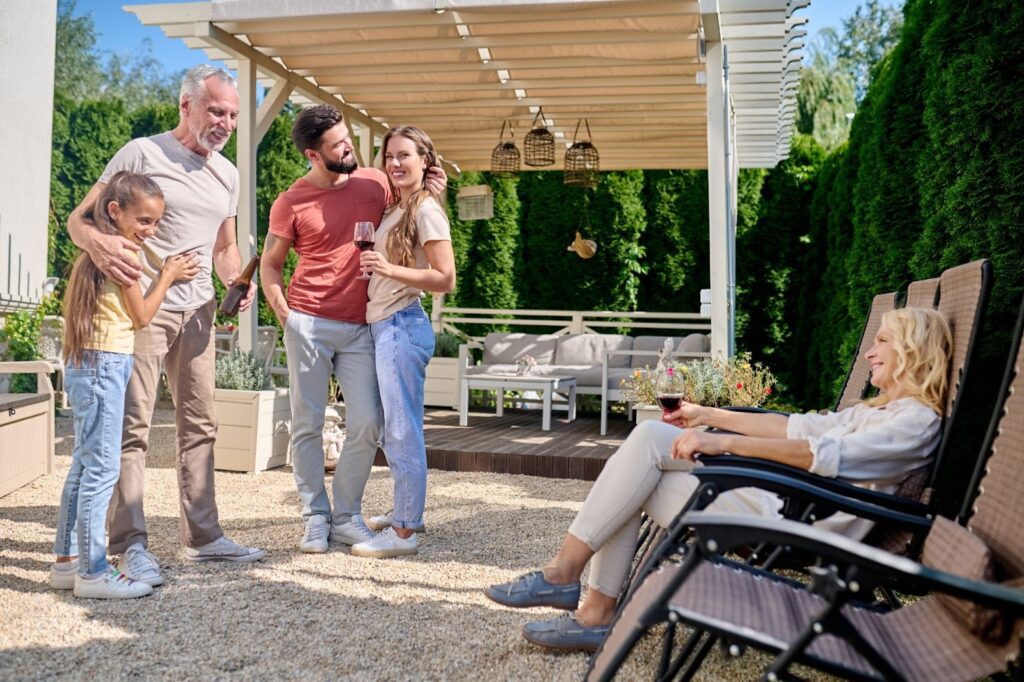
Lattice patio covers provide partial shade while allowing airflow. This structure creates filtered light throughout the day. Homeowners often appreciate the lighter visual presence. These designs support climbing plants and decorative features. Shade levels depend on spacing and orientation. Mild climates usually suit this approach well.
Adjustable and Hybrid Patio Covers
Adjustable patio covers allow control over sunlight exposure. Louvers open or close in response to weather conditions. Motorized systems add convenience for larger spaces. Hybrid designs combine solid and open sections. These systems support varied use throughout the day. Mechanical components require professional installation and upkeep.
Matching Patio Covers With Home Architecture
A patio cover should align with the home’s rooflines and materials. Proportion and scale influence how natural the structure looks. Color coordination helps tie the cover to the house. Poor alignment creates a disconnected appearance. Experienced designers address these concerns early. Cohesive design improves overall curb appeal.
Site Planning Before Patio Cover Installation
Site planning shapes how well a patio cover performs over time. Yard layout affects design choices and post placement. Homeowners benefit from evaluating how outdoor space is used daily. Preparation reduces delays during construction.
Measuring Patio Space and Movement
Accurate measurements define usable coverage areas. Walkways and door access must remain unobstructed. Furniture placement influences support post locations. Adequate spacing improves safety and comfort. Crowded layouts reduce long-term usability. Thoughtful planning improves daily function.
Sun Exposure and Weather Patterns
Sun angles shift throughout the year. South-facing patios receive stronger light for longer periods. Shade placement should reflect peak usage times. Wind direction influences comfort and stability. Rainfall patterns affect drainage design. These factors guide roof orientation decisions.
Drainage and Ground Conditions
Proper drainage protects patios and foundations. Sloped roofs direct water away from structures. Soil conditions influence anchoring methods. Poor drainage leads to erosion over time. Installers may suggest grading adjustments. Addressing drainage early prevents damage.
How Patio Covers Affect Your Home Over Time
Custom patio covers influence more than outdoor comfort; they interact with the home’s structure and environment daily. These effects develop gradually and often go unnoticed during installation. Homeowners benefit from understanding how shade structures influence heat, airflow, and moisture patterns. This awareness helps prevent unintended issues while improving long-term performance.
Changes in Airflow Around the Home
A patio cover alters how air moves along exterior walls. This airflow shift can reduce heat buildup near windows and doors. In warmer climates, shaded walls stay cooler throughout the day. Reduced surface heat may lower indoor cooling demand. Poorly designed covers, however, can restrict ventilation. Proper spacing and roof height help maintain healthy airflow.
Moisture Behavior and Wall Protection
Rainwater and condensation behave differently under covered patios. This coverage limits direct moisture exposure on exterior walls. Reduced moisture contact slows paint wear and material aging. However, trapped humidity can form if ventilation remains limited. That moisture buildup may affect siding or trim over time. Design choices that allow air circulation reduce this risk.
Heat Retention and Indoor Comfort
Shaded patios lower surface temperatures near the home. This temperature change affects adjacent indoor spaces. Rooms next to covered patios often feel cooler during peak heat. Reduced solar gain may ease strain on cooling systems. Solid roofs provide stronger temperature control than open designs. Placement and orientation significantly influence these results.
Structural Load and Attachment Considerations
A patio cover adds weight and stress to attachment points. Proper engineering distributes this load safely. Rooflines, beams, and posts must work together. Inadequate anchoring leads to long-term structural concerns. Experienced installers calculate wind and snow loads. These calculations protect both the cover and the home.
Long-Term Impact on Maintenance Cycles
Covered patios change how often exterior surfaces need attention. Paint and finishes last longer in the shade. Outdoor furniture experiences less sun damage. However, debris may collect more frequently in sheltered areas. Regular cleaning prevents buildup. This shift alters maintenance needs but does not eliminate them.
Permits, Codes, and Local Patio Cover Rules
Local regulations govern patio cover construction. Requirements vary by municipality and neighborhood. Research prevents fines and forced modifications. Compliance also supports future resale transparency.
Building Permits and Inspection Process
Many municipalities require permits for attached patio covers. Applications include design plans and measurements. Inspectors review structural safety during construction. These inspections confirm code compliance. Skipping permits risks costly corrections. Professional contractors often manage approvals.
HOA and Community Restrictions
Homeowner associations regulate exterior additions. Guidelines may limit materials, colors, or height. Approval processes require documentation. Review timelines differ by community. Revisions sometimes follow submissions. Confirming rules early prevents delays.
Zoning and Property Line Rules
Zoning laws regulate structure placement. Setback requirements protect neighboring properties. Height limits may apply near boundaries. Violations can halt projects. Reviewing ordinances avoids conflicts. Early research simplifies planning.
Installation Process for Custom Patio Covers
The installation process follows a structured sequence. Timelines depend on design complexity and weather conditions. Homeowners benefit from understanding each stage. Clear expectations reduce stress during construction.
Design Approval to Completion Timeline
Design approval follows measurements and consultations. Fabrication begins after plans receive approval. Site preparation includes marking post locations. Installation usually spans several days. Weather conditions may cause brief delays. Final inspections confirm craftsmanship quality.
Working With Professional Patio Cover Installers
Experienced patio cover installers anticipate site challenges. These professionals coordinate materials, labor, and inspections. Communication remains essential throughout construction. Adjustments may occur as work progresses. Safety practices protect property and workers. Professional installation supports durability.
Homeowner Preparation Before Installation
Homeowners should clear patio areas before work begins. Furniture and décor must be removed. Access to power may be required. Work schedules should be discussed in advance. Temporary noise is expected. Cooperation helps maintain steady progress.
Shape Your Space With Custom Patio Covers
Custom patio covers create outdoor areas that feel intentional, comfortable, and connected to the home. The right design supports daily routines while reducing long-term wear on exterior surfaces. Thoughtful planning allows shade structures to improve airflow, manage heat, and protect surrounding materials. When a patio cover aligns with how you live and how your home performs, it becomes a lasting asset rather than a simple upgrade.
Continue learning about outdoor structures and smart home upgrades on the Saddleback Fence and Vinyl Products blog, where practical insight meets real-world experience.