
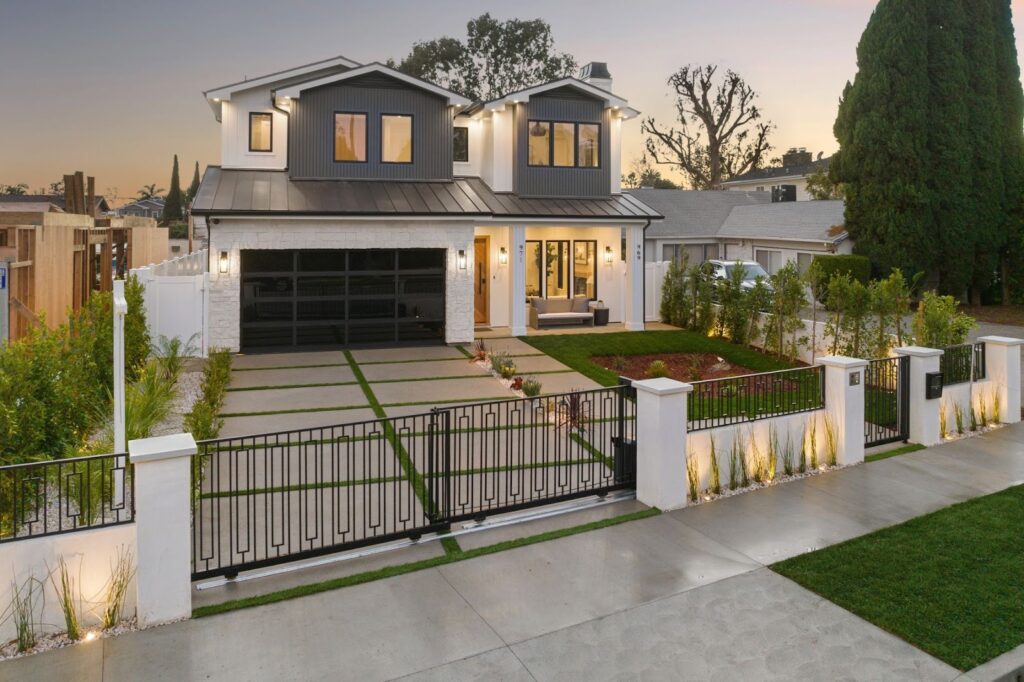
A well-defined boundary shapes how your home feels the moment you arrive. Many homeowners want security without sacrificing style or openness in their outdoor space. That balance often leads them to explore modern fencing options that last. These systems combine clean design with reliable performance in changing weather conditions. A smart choice like aluminum can influence your property’s function, safety, and curb appeal for years.
Understanding Aluminum Fence Basics
Aluminum gates and fences are lightweight metal systems designed for durability and visual appeal. This material resists rust and corrosion, making it suitable for humid or coastal environments. Homeowners often choose aluminum for its balance of strength and low upkeep needs. The following explains why aluminum remains a preferred option for residential properties.
Why Aluminum is a Popular Fence Material
Aluminum remains popular because it resists rust without requiring constant treatment or sealing. This durability makes it reliable in areas with heavy rain or strong sun exposure. Many homeowners prefer it over iron since it does not corrode easily over time. This lightweight structure also simplifies installation and reduces labor demands. Aluminum fences maintain their shape under normal conditions without warping or cracking. Manufacturers often apply powder-coated finishes that protect color and surface quality. This combination of features creates a practical and long-lasting fencing solution.
Aluminum vs. Wood, Steel, and Vinyl
Aluminum compares well with other fencing materials due to its balanced performance and upkeep needs. This material helps prevent warping and rotting that often affect wood fences. Steel offers strength but may rust without regular maintenance and protective coatings. Vinyl requires little upkeep but can crack under pressure or extreme temperatures. Aluminum provides strength without excess weight, making handling and installation easier. It holds its appearance longer with minimal care compared to many alternatives. This versatility makes aluminum a dependable choice for many homeowners.
Benefits of Aluminum Gates and Fences
Aluminum fencing offers durability, style, and low maintenance for residential use. This material performs well in various climates without frequent repairs or treatments. Homeowners benefit from its long lifespan and consistent appearance over time. Below are the advantages that make aluminum fencing a practical investment.
Durable and Weather-Resistant Fencing
Aluminum fences handle changing weather conditions without losing structural integrity or visual appeal. This material does not rust, crack, or rot under typical outdoor exposure. Powder-coated finishes protect against fading caused by prolonged sun exposure. This coating also helps maintain a consistent color across the entire fence. Aluminum does not attract pests, which reduces the risk of hidden damage. It performs well in coastal regions, where salt air can affect other materials. This durability supports long-term use with minimal concerns.
Low Maintenance and Easy Care
Aluminum fencing requires minimal upkeep compared to wood or steel alternatives. This material only needs occasional cleaning with water and mild soap to remove dirt. Homeowners do not need to sand, stain, or repaint it regularly. This reduced maintenance saves both time and long-term costs. Small scratches often remain less visible due to protective finishes. Routine inspections help identify minor issues before they develop further. This simple care routine keeps the fence in good condition for years.
Flexible Designs and Modern Appeal
Aluminum fences offer a wide range of styles that suit both modern and traditional homes. This material can mimic the look of wrought iron without the added weight or maintenance. Homeowners can choose from a variety of colors, finishes, and decorative elements. This flexibility allows better alignment with property aesthetics and layout. Custom features such as finials or scrolls add character to the overall design. Additionally, aluminum gates can include automation for added convenience and security. This adaptability supports both function and visual appeal.

Planning Aluminum Fence Installation
Planning aluminum fence installation involves evaluating property needs, budget, and local requirements. This preparation helps avoid delays and unexpected costs during the project. Homeowners benefit from aligning design choices with functional goals early. The following are the key factors to consider before installation begins.
Assess Property Layout and Purpose
Property layout determines how aluminum fencing should be designed and installed. This terrain condition may require adjustments for slopes or uneven ground. Homeowners should define the main purpose of the fence before selecting a style. This purpose could include security, boundary marking, or enhancing curb appeal. Pool areas may require specific safety features such as self-closing gates. Entry points should allow smooth access while maintaining protection. This planning step helps create a functional and well-placed fence.
Budgeting for Aluminum Fencing Costs
Budget planning helps homeowners balance upfront costs with long-term value. This material may cost more initially than wood but requires less maintenance over time. Labor costs depend on project size, complexity, and location factors. This investment often pays off through reduced repair and upkeep expenses. Homeowners should compare quotes from multiple contractors for better pricing insight. Prioritizing essential features helps prevent overspending. This approach keeps the project within budget while meeting key needs.
Check Local Codes and HOA Rules
Local regulations often define fence height, style, and placement requirements. This compliance step helps avoid fines or project delays during installation. Homeowners’ associations may also enforce design guidelines that affect material choices. This approval process should happen before purchasing materials or scheduling work. Permits may be required depending on your location and property type. Property line rules can affect where the fence is placed. This awareness keeps the project compliant and stress-free.
Aluminum Fence Styles and Options
Aluminum fencing offers a range of styles that balance functionality, security, and visual appeal. This design flexibility allows homeowners to match fences with their property’s character. Choosing the right style improves both usability and appearance. This section explains the most common design options available.
Decorative and Functional Fence Styles
Decorative aluminum fences include intricate patterns that enhance curb appeal and visual interest. This design approach suits homeowners who want a more refined exterior look. Functional styles focus on simplicity and strength for everyday use. This option often features straight lines and minimal detailing. Both styles can include matching gates for a cohesive appearance. Homeowners can combine decorative and functional elements for a balanced design. This flexibility supports both aesthetic and practical needs.
Color, Finish, and Custom Features
Aluminum fences are available in several colors, including black, bronze, and white. This variety allows better coordination with home exteriors and landscaping. Powder-coated finishes protect against fading and surface damage over time. This protective layer also enhances durability in harsh weather conditions. Custom features such as lighting or automated gates improve usability. Decorative elements can add a unique touch to the overall design. This customization allows homeowners to tailor fences to their preferences.

Privacy vs. Open Aluminum Fencing
Aluminum fencing often features open designs that maintain visibility and airflow. This style works well for front yards and scenic properties. Some homeowners prefer added privacy through modified panel designs. This option may include tighter spacing or the use of combined materials for coverage. Full privacy requires additional features beyond standard aluminum panels. Hybrid designs can balance openness with partial screening. This choice depends on how much visibility or seclusion you prefer.
Aluminum Fence Installation Process
Aluminum fence installation involves preparation, accurate measurements, and proper placement techniques. This process ensures stability, alignment, and long-term performance. Homeowners should understand each step before starting the project. Here’s what to expect during installation.
Professional vs. DIY Fence Installation
Professional installation offers expertise that improves accuracy and reduces the risk of errors. This service includes proper measurements, leveling, and secure post placement. DIY installation may lower costs but requires tools and experience. This approach can lead to alignment issues if not handled carefully. Professionals complete projects more efficiently and with fewer complications. They handle unexpected challenges such as uneven terrain. This option often yields a cleaner, more reliable finish.
Installation Timeline and Preparation
Installation timelines vary depending on property size and design complexity. This process may take a few days for smaller projects. Larger installations require more time due to additional planning and labor. Homeowners should prepare the site by clearing debris and marking boundaries. This preparation helps avoid delays during installation. Weather conditions can affect scheduling and progress. This planning step keeps the project running smoothly.
Common Fence Installation Challenges
Installation challenges often arise from uneven ground or underground obstacles. This issue may require adjustments to maintain consistent fence height. Utility lines must be identified before digging begins to prevent damage. This precaution ensures safety and avoids costly repairs. Gate placement also requires careful measurement for smooth operation. Spacing errors can affect the overall appearance of the fence. This awareness helps prevent common installation problems.
Aluminum Fence Costs and Value
Aluminum fencing offers a balance between initial cost and long-term savings. This investment provides durability and reduced maintenance expenses over time. Homeowners often consider both short-term and future value when choosing materials. Below are the key cost factors and financial benefits to consider.
Material and Labor Cost Factors
Material costs depend on fence height, style, and thickness. This variation affects the project’s overall price. Labor costs increase with larger or more complex installations. This factor includes site preparation and professional expertise. Homeowners should request multiple quotes to compare costs better. Quality installation reduces the need for future repairs. This approach helps maximize value over time.
Custom Features and Add-Ons Cost
Custom features can increase total project costs depending on design choices. This category includes automated gates, decorative details, and lighting systems. Each feature adds convenience but also raises the overall budget. Homeowners should prioritize features that meet their specific needs. This selection helps avoid unnecessary spending on extras. Choosing durable add-ons improves long-term usability. This balance keeps costs practical and purposeful.
Long-Term Value and Savings
Aluminum fencing reduces maintenance costs compared to wood or steel options. This material does not require frequent repainting or repairs. Homeowners save money over time due to its durability. This longevity reduces the need for future replacements. Properties with well-maintained fencing may attract higher buyer interest. Strong curb appeal can support better resale value. This long-term benefit makes aluminum a smart investment.
Boost Curb Appeal With Aluminum Fencing
Aluminum gates and fences give your home a polished look that stands out from the street. This upgrade creates a strong first impression while maintaining a clean and timeless design. Homeowners who invest in aluminum often notice how it enhances both property value and everyday comfort. This choice blends style with function, offering a boundary that feels intentional rather than restrictive. Start planning a design that reflects your home’s character and brings lasting visual impact.
Explore expert tips and real-world guidance on aluminum fencing at the Saddleback Fence and Vinyl Products blog.