
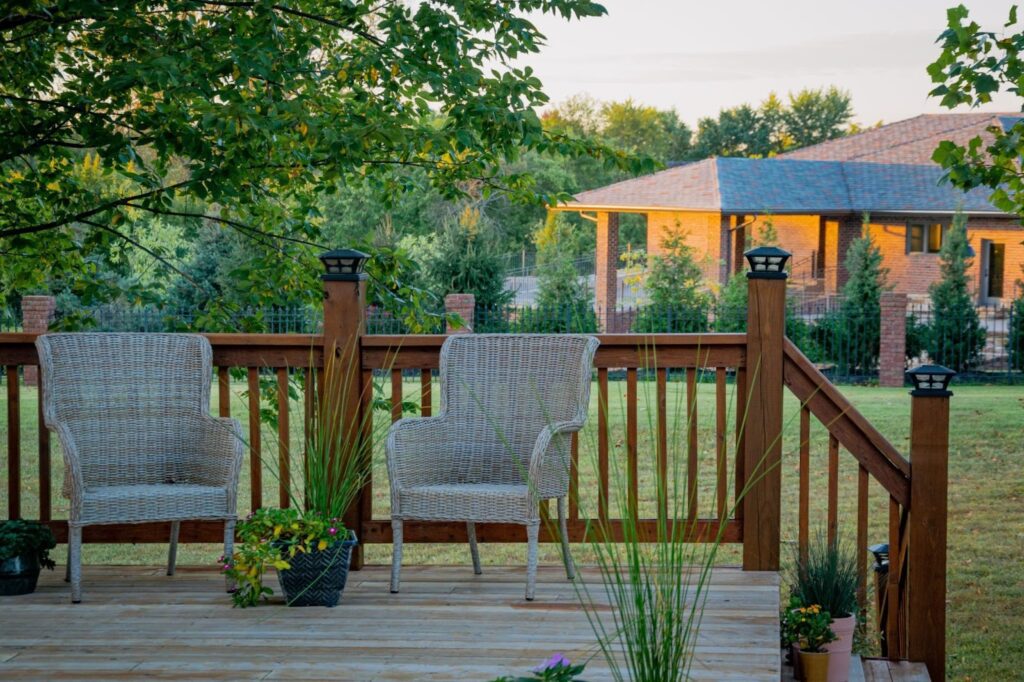
Upgrading your deck boards is one of those projects that can quietly transform how your backyard looks and feels. Old, weathered boards make even a nice home feel a little tired, and they can turn simple things like walking barefoot or setting out furniture into a chore. New deck boards, on the other hand, refresh the surface you see and touch every time you step outside, while also improving safety and long-term durability. Whether you are replacing aging wood with new lumber or moving into composite options, the change does more than just update color. With the right choices, upgrading your deck boards can turn an overlooked platform into an outdoor room you actually want to use.
How New Deck Boards Instantly Refresh The Look Of Your Outdoor Space
Visually, upgrading deck boards is like giving your backyard a new floor, and it sets the tone for everything else you place on it. Fresh boards have consistent color, cleaner lines, and fewer distracting flaws, which makes furniture, planters, and railings look more intentional and pulled together. If your current boards are faded, stained, or poorly patched, new deck boards can remove those eye-level imperfections that catch your attention every time you glance outside. You also get the chance to change the tone of your space by choosing warmer or cooler hues, broader or narrower boards, and different layouts that better match your home’s architecture. That updated surface often becomes the anchor that inspires the rest of your outdoor design, from lighting and textiles to landscaping and decor.
An Extension Of Your Home
When deck boards match the style and quality of your indoor floors, the transition outside feels more natural. That sense of continuity makes the entire home feel larger and more cohesive.
Highlighting Furniture and Decor
New deck boards create a neutral, tidy backdrop so the focus shifts to your furniture and plants. Instead of fighting with cracks and stains, your eye lands on the things you actually want to showcase.
Upgrading Deck Boards To Improve Comfort and Daily Use
Comfort is one of the most significant benefits you feel right away when you update deck boards. Newer materials tend to be smoother underfoot, with fewer splinters, raised nails, or warped edges that catch toes and chair legs. You can choose lighter colors that stay cooler in the sun or textured finishes that provide better traction when the surface is wet. Even small changes, like reducing gaps between boards or tightening up loose fasteners, can make the space feel more solid and secure. When people can walk barefoot, kids can play without you worrying, and chairs sit level, your deck stops being a rough platform and becomes a true outdoor living room.
Using Deck Boards To Create Distinct Outdoor Zones
Thoughtfully chosen deck boards can also help you carve your backyard into distinct zones for dining, lounging, grilling, or play without adding extra walls or railings. By changing the direction of the boards, adding borders, or shifting colors between areas, you create subtle visual cues that tell people where to gather and how the space flows. A different pattern under a dining table can make it feel like a defined “room,” while a contrasting border around a seating area can frame it as a cozy retreat. These layout decisions turn a plain rectangle into a layered, functional outdoor environment that feels custom-designed for how you actually live.
Choosing Deck Boards For Better Durability and Weather Resistance
Durability is where upgrading deck boards can make a long-term difference in how your backyard performs. Many older decks were built with standard lumber that was never intended to handle decades of sun, rain, and temperature swings without serious maintenance. Newer pressure-treated wood, hardwoods, and composite deck boards are engineered to resist rot, insects, and moisture damage more effectively. They are less likely to cup, split, or develop soft spots that can become safety hazards over time. By choosing materials that are designed to match your climate and usage patterns, you reduce the frequency of large-scale repairs and extend the life of the entire structure beneath the surface.
Matching Materials To Local Climate
Hot, sunny regions, coastal areas, and damp climates all stress deck boards differently. Selecting materials rated for your environment helps prevent premature fading, warping, or decay.
Protecting The Framing
Better deck boards shed water and hold their shape more reliably. That stability helps protect joists and beams from constant moisture and movement that can shorten their lifespan.

How Modern Deck Boards Reduce Ongoing Maintenance Demands
Many homeowners choose to upgrade deck boards specifically to escape endless sanding and staining cycles. Traditional wood surfaces can be beautiful, but they demand regular sealing or painting to stay that way, and skipping even a year or two can accelerate damage. Modern composite and capped deck boards, along with higher-grade treated lumber, offer finishes that hold color longer and resist peeling and flaking better. Maintenance often shrinks to simple cleaning with mild soap and water to remove dirt, pollen, and the occasional spill. That drop in effort and product costs adds up over the years and is a big part of why upgraded decks feel easier to own.
Cutting Down On Sanding and Staining
With more resilient deck boards, you spend less time on messy refinishing jobs. That gives you more weekends to actually enjoy the space instead of constantly working on it.
Keeping The Deck Looking Consistent
Materials that resist fading and surface damage help your deck age more gracefully. You avoid the patchy look that comes from repeated spot repairs and mismatched touch-ups.
Eco-Friendly Deck Boards and Sustainability Considerations
If sustainability is on your mind, upgrading deck boards is an opportunity to choose materials that better align with your values. Some composite boards are made with recycled plastics and reclaimed wood fibers, reducing waste while still delivering strong performance. Certain wood options come from responsibly managed forests and carry certifications that verify their sourcing. Even the longer lifespan of durable deck boards has an environmental benefit, because replacing boards less often means fewer resources used over time. By asking questions about recycled content, certifications, and expected service life, you can create an outdoor space that feels good for both your home and the planet.
Matching Deck Boards To Your Home’s Style and Backyard Layout
Deck boards play a quiet but important role in shaping the style of your outdoor space, and upgrading them gives you a chance to align the look with your home. Narrow, closely spaced boards can feel more traditional, while wider planks and clean lines lean modern. You can run boards straight out from the house for a simple, classic layout or use patterns like picture framing and angles to create a more custom feel. Color matters, too: lighter deck boards can brighten shaded yards, while deeper tones can ground large, open spaces and complement dark trim or railings. When your deck surface reflects your home’s architecture and the way you actually use the yard, the entire space feels more intentional and welcoming.
What To Consider Before Replacing Old Deck Boards
Before you pull up a single board, ensure the structure under your deck boards is still sound. Inspect joists, beams, and posts for rot, insect activity, or significant cracks, especially where they meet footings or ledger connections. If the framing is compromised, it is safer and more cost-effective to address those issues before considering new surface materials for a deck installation. You should also consider how changes in board thickness, spacing, or weight might affect stairs, railings, and transitions at door thresholds. Planning ahead with measurements, material samples, and a clear sense of how you want the finished deck to function helps you avoid surprises and get more value from the upgrade.
Evaluating Structure
A quick visual check is not always enough to judge framing health. Probing suspect areas with a screwdriver and consulting a professional when in doubt can prevent covering up serious problems.
Coordinating With Railings and Stairs
New deck boards may sit slightly higher or lower than the old ones. Adjusting railings and stair treads as part of the project keeps everything safe and up to current standards.
Why Investing In Quality Deck Boards Adds Long-Term Value
While better deck boards can cost more upfront, they often pay for themselves through reduced maintenance, greater durability, and a more inviting outdoor space. A solid, attractive deck makes your backyard feel like an extra room, which can be a selling point if you ever put your home on the market. Even if you plan to stay, you benefit daily from a surface that is safer, more comfortable, and easier to care for. Instead of constantly patching and repainting, you can focus on hosting gatherings, relaxing with family, or simply enjoying a quiet morning outside. In that sense, upgrading deck boards is less about chasing the latest trend and more about investing in a backyard that truly reflects how you want to live.
Planning A Deck Board Upgrade That Fits Your Budget
Finally, it helps to approach new deck boards with a clear budget and phased plan so the project feels manageable instead of overwhelming. You might prioritize replacing the highest-traffic or most damaged areas first, then tackle secondary sections later as time and funds allow. Mixing materials strategically—such as using premium boards in visible zones and more economical options in less noticeable areas—can stretch your budget without sacrificing overall impact. Getting a few detailed quotes and understanding how labor, material, and disposal costs break down will also help you choose the upgrade path that delivers the most value for your investment.
Visit our Saddleback Fence and Vinyl Products blog to learn more about why upgrading deck boards can transform your yard.