
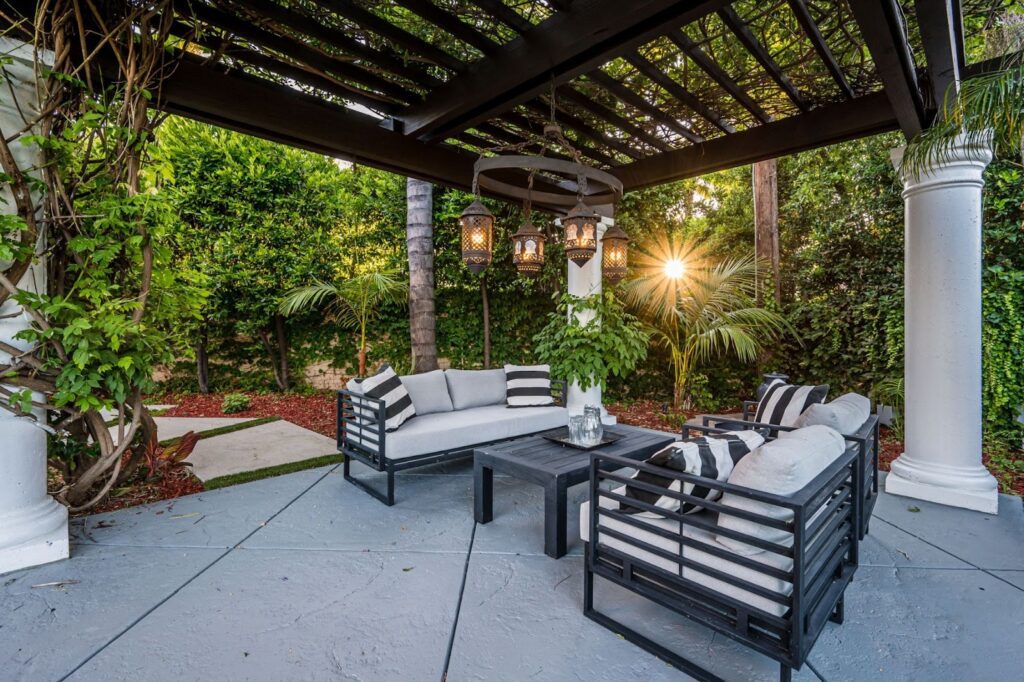
Adding a cover to your patio does more than create shade—it also needs to stand up to years of sun, rain, and everyday use. Homeowners often turn to vinyl patio covers because they offer a blend of durability, low maintenance, and a clean, modern style. But it is fair to ask how well they really hold up compared to wood, aluminum, or steel structures. The answer depends on the quality of the vinyl, the internal structure of the system, and how well it is installed and maintained over time. When you understand what makes these covers last, you can choose the right materials and design details for a patio that looks great and performs well for years.
What Makes Vinyl Patio Covers Durable Over Time?
At a basic level, vinyl patio covers are made from rigid PVC, a type of plastic engineered to resist moisture, insects, and everyday weather exposure. Unlike wood, vinyl does not rot, warp, or splinter when it gets wet, which already gives it a big advantage in long-term durability. Many higher-quality systems also include additives such as UV inhibitors and impact modifiers that help vinyl resist fading, brittleness, and cracking as it ages. The internal structure matters too, because many vinyl covers are reinforced with aluminum or steel inside the posts and beams, combining the strength of metal with the low-maintenance shell of vinyl. When all these elements work together, you get a patio cover that can endure daily sun, rain, and temperature changes without constant repairs.
How Vinyl Patio Covers Handle Sun And Heat Exposure
One of the biggest durability challenges for any outdoor material is prolonged exposure to sunlight and high temperatures, and vinyl patio covers are designed to address this. Quality vinyl includes UV stabilizers that help prevent the material from becoming chalky, brittle, or severely discolored over time, even in sunny climates. Light colors, like white or beige, reflect more sunlight and tend to stay cooler and more stable than darker shades, which can absorb extra heat. While no outdoor material is completely immune to aging, vinyl generally holds its appearance longer than untreated wood, which can bleach, crack, and peel without frequent maintenance. With proper installation and a reputable manufacturer, you can expect your cover to maintain its structural integrity and look good through many seasons of intense sun.
UV Resistance
UV-resistant vinyl helps slow fading and chalking, keeping the cover cleaner and more uniform. This protective chemistry is built into the material instead of needing frequent coatings or sealants.
Heat Performance
In hot climates, vinyl patio covers stay more stable when they are installed with proper expansion gaps and supported framing. These details allow the material to expand and contract slightly without warping or cracking.
Weather Resistance And Vinyl Patio Covers In Wet Climates
Moisture is another critical factor in the long-term performance of any outdoor structure, and this is where vinyl patio covers shine. Because vinyl does not absorb water, it will not swell, rot, or support mold growth the way wood can when constantly exposed to rain or humidity. The smooth surface also makes it harder for mildew and grime to cling, especially if you rinse it periodically with a garden hose. In regions with frequent storms, the key is ensuring the structural framing and connections beneath the vinyl are robust enough to withstand wind loads and roof weight. When the underlying structure is well-engineered, the vinyl shell acts as a durable, weather-resistant skin that protects the patio space below without peeling or flaking over time.
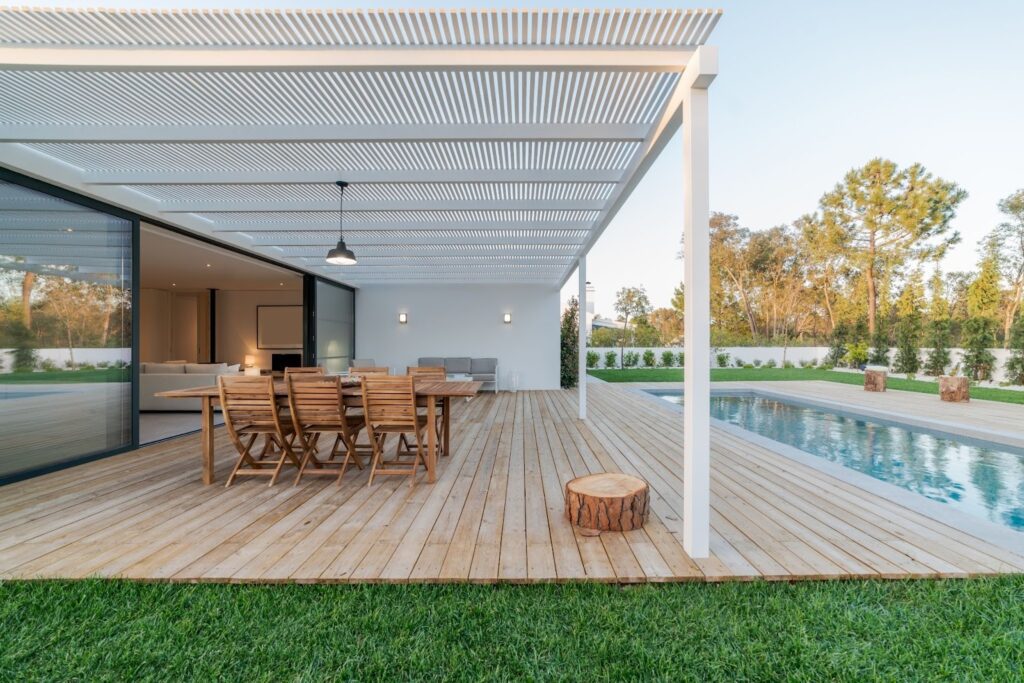
Low-Maintenance Benefits Of Vinyl Patio Covers For Busy Homeowners
Beyond basic durability, one of the most appealing traits of vinyl patio covers is how little ongoing maintenance they require to stay in good shape. You do not have to sand, stain, or paint vinyl every couple of years the way you do with bare wood, which saves both time and long-term cost. Most of the time, an occasional rinse or a gentle wash with mild soap and water is all that’s needed to remove dust, pollen, and bird droppings. That low-maintenance profile is part of what keeps vinyl looking fresh and helps prevent minor issues from becoming major problems. For homeowners who would rather enjoy their outdoor space than constantly maintain it, vinyl offers a durable solution that fits a busy lifestyle.
Cleaning Routines
A quick seasonal wash helps prevent dirt buildup and keeps the surface looking bright. Avoid harsh chemicals or abrasive tools so you do not scratch or dull the vinyl finish.
Avoiding Common Damage
Keeping heavy objects, sharp tools, or hot grills away from the vinyl surface reduces the risk of dents, warping, or stains. Simple habits like these help your cover stay sturdy and attractive.
Structural Strength Of Vinyl Patio Covers Compared To Other Materials
There is a common misconception that vinyl patio covers must be flimsy because they are made of plastic, but that overlooks the way these systems are engineered. Many modern vinyl covers use hidden metal reinforcement inside the posts, beams, and rafters to provide the structural strength needed to withstand wind and roof loads. The vinyl portion you see acts as a protective, low-maintenance shell around that internal frame, much like a durable exterior cladding. When designed correctly, this combination can rival or exceed the strength of basic wood structures, particularly because it is less susceptible to rot and insect damage. That said, not all products are created equal, so it is crucial to choose a system from a reputable brand and ensure it is rated for the conditions in your area.
How Vinyl Patio Covers Compare To Wood And Aluminum
When you stack vinyl patio covers against wood and aluminum, the long-term durability picture looks different for each material. Wood can be very strong, but it is vulnerable to rot, termites, and peeling finishes unless you keep up with regular sanding, staining, and sealing. Aluminum resists insects and moisture but can dent, scratch, or show corrosion in harsh environments if its coating is damaged. Vinyl patio covers avoid rot and rust and do not need repainting, but they can be damaged by extreme heat or heavy impacts. For many homeowners, vinyl offers the best balance of strength, longevity, and low upkeep.
How Installation Quality Impacts Vinyl Patio Covers Durability
Even the best vinyl patio covers can fail early if they are not installed correctly, which makes craftsmanship a critical aspect of long-term durability. Proper footing design, post spacing, and connection details determine how well the structure resists sagging, twisting, or lifting in heavy wind. Installers must also account for vinyl’s natural expansion and contraction, leaving the proper clearances and using appropriate fasteners so the material can move slightly without cracking. When these details are handled by experienced professionals who follow local building codes, the cover is far more likely to age gracefully and stay structurally sound. If corners are cut, minor issues like loose connections or poor drainage can snowball into bigger problems over time.
Professional Installation
Skilled installers understand both the structural and material requirements of vinyl patio covers, which helps prevent hidden weaknesses. Their work is also more likely to pass inspections and meet local codes.
Permit And Code Considerations
Permits and inspections ensure your vinyl patio covers are designed to handle local wind, snow, and seismic conditions. This oversight adds another layer of protection for long-term performance.
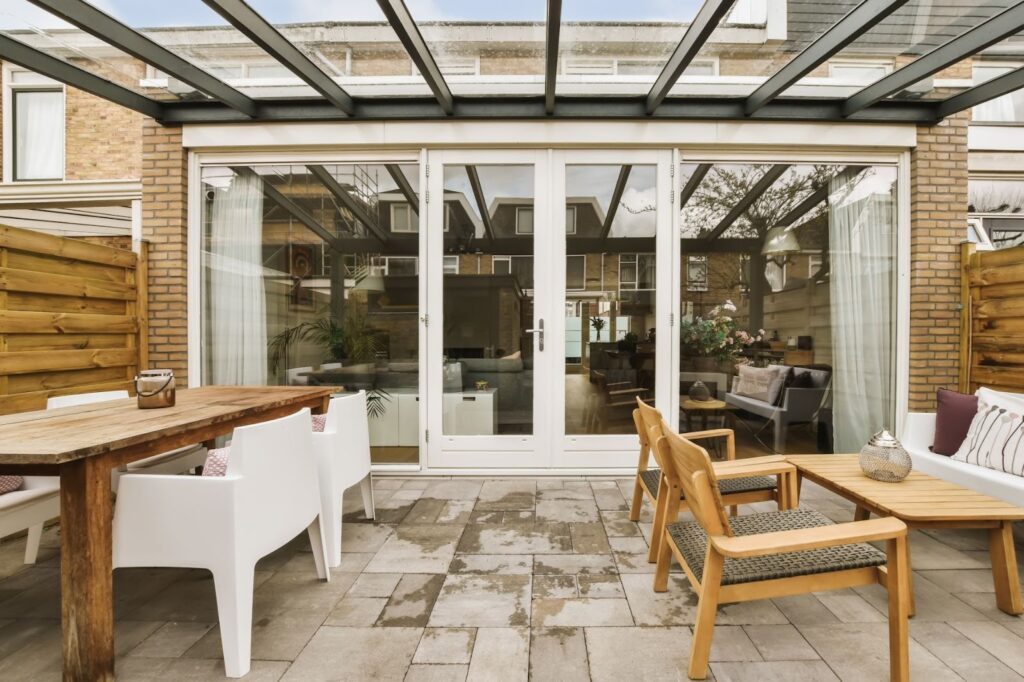
Signs Your Vinyl Patio Covers Need Repair Or Replacement
Even a durable material like vinyl benefits from occasional inspections to catch minor problems before they grow. Over time, you might notice hairline cracks, loose connections at posts or beams, or panels that have shifted out of alignment. Discoloration alone is often cosmetic, but deep gouges, warping, or structural movement can signal the need for repairs. You should also pay attention to signs of damage in the hidden metal framework, such as rust stains or unusual flexing when the wind blows. Addressing these issues early can extend the life of your existing cover and help you decide when it is more cost-effective to repair versus fully replace the system.
Are Vinyl Patio Covers A Smart Long-Term Investment?
When you add up the factors that matter most to homeowners—initial cost, durability, maintenance, and appearance—vinyl patio covers often land in a lovely middle ground. They typically cost less than fully custom wood or steel structures while avoiding the ongoing expenses of repainting or restaining. Over the years, that low-maintenance performance can offset a higher upfront investment compared to basic materials that wear out faster. You also gain peace of mind knowing the cover is designed to resist moisture, pests, and sunlight without constant attention. For many households, that combination of durability and convenience makes vinyl a wise long-term choice for creating a comfortable, protected outdoor living space.
Visit our Saddleback Fence and Vinyl Products blog to learn more about the durability of vinyl patio covers.