

A well-built deck extends living space and enhances a home’s character. However, many homeowners overlook the importance of deck board sizes and spacing, even though these factors directly affect strength, comfort, and durability. Too broad, narrow, or tightly fitted boards can lead to uneven surfaces, trapped moisture, and structural wear. Getting the dimensions and gaps right builds a deck that feels solid, looks seamless, and withstands years of outdoor use.
Why Deck Board Dimensions Matter
Deck board dimensions determine the deck’s strength, appearance, and maintenance level. Each measurement, from thickness to width, affects stability and weather resistance. Small dimensional changes can alter how water drains and the deck handles weight. Choosing the right size means balancing strength, cost, and design for lasting performance.
The Connection Between Size and Strength
Deck board thickness directly impacts how well it supports weight and resists bending. Thicker boards handle heavy furniture and foot traffic better, while thinner ones require closer joist spacing to stay stable. Wider boards may expand or contract more with temperature changes, affecting alignment. Builders should match the board size to joist spacing to maintain balance and prevent flexing. Selecting dimensions that suit load demands ensures the deck remains solid and durable.
Visual Impact of Deck Board Width
Deck width shapes the deck’s look and overall visual rhythm. Narrow boards create a delicate, continuous pattern that suits compact spaces, while wider ones make decks appear broader and more open. These variations change how light and shadow move across the surface. Wider boards can highlight inconsistencies if alignment is off, so precise installation is essential. Matching width to design vision and deck size helps achieve a balanced, polished finish.
Balancing Cost, Performance, and Style
Selecting the right board size affects your budget and the deck’s quality. Larger boards can reduce installation time but often cost more, while narrower boards take longer but offer better control over gaps and spacing. Each option influences how the deck performs over time and how easily it can be maintained. Homeowners should plan according to lifestyle, location, and climate. Proper size selection balances performance with affordability and long-term satisfaction.
Common Deck Board Sizes and Their Uses
Deck boards come in various dimensions to accommodate different styles and load requirements. The most common sizes suit standard residential designs, while custom builds may require unique options. Understanding these differences helps homeowners choose materials that match their structural and visual goals. Proper sizing from the start minimizes waste and enhances the final result.
Standard Deck Board Width and Thickness
Most wood boards are 5/4 x 6 inches, while composite boards are commonly 1 x 6 inches. These sizes provide strong support and consistent alignment without adding unnecessary weight. Thicker boards handle stress better on large decks or areas with heavy traffic, while thinner ones work well for smaller decks with closer joists. Choosing the correct thickness ensures even weight distribution and reduces bending over time.
Selecting the Right Length for Your Deck
The length of your deck boards influences appearance and waste management. Longer boards reduce visible seams, creating a smoother, continuous surface, but they can be harder to transport and more prone to warping. Shorter boards are easier to handle and allow creative patterns like diagonals or chevrons. Consistent measuring and staggering improve balance and prevent uneven joints—proper board length planning results in fewer cuts and a more efficient build.
When to Use Non-Standard Deck Board Sizes
Special projects or unique aesthetics sometimes require custom board sizes. Narrow boards may be used for intricate patterns, while wider planks can create a rustic or luxurious feel. Some composite or PVC options mimic exotic hardwoods, offering varied widths and textures. Spacing accuracy becomes even more critical when using non-standard sizes to prevent misalignment—professional measurement and layout planning guarantee smooth integration of all elements.

Deck Board Spacing Requirements Explained
Deck board spacing is vital for drainage, air circulation, and long-term durability. The correct gap keeps the deck dry and prevents warping or decay. Minor errors in spacing can lead to significant maintenance issues over time. Spacing must consider both climate and material type to maintain structure and safety.
The Ideal Gap Between Deck Boards
A gap of 1/8 to 1/4 inch is ideal for most wood decks. This range allows proper water drainage while keeping the surface comfortable for walking. Composite decks often require a slightly wider gap, around 3/16 inch, due to heat expansion. Using spacers helps maintain even gaps between every board. Consistent spacing ensures ventilation and prevents moisture buildup underneath.
How Weather and Materials Affect Spacing
Deck boards expand and contract with temperature and humidity changes. Wood absorbs moisture and swells during humid seasons, while composite materials react more to heat than moisture. PVC decking expands significantly under sunlight and requires wider gaps in hot climates. Builders must factor in these variations before installation. Adjusting for local weather conditions ensures stability and minimizes seasonal movement.
Avoiding Common Spacing Errors
Uneven or tight gaps can cause water pooling, rot, and misalignment. Inconsistent spacing often occurs when boards are installed during extreme temperatures or without spacers. Decking should be installed in moderate weather to allow natural expansion and contraction. Checking alignment frequently during installation maintains balance. Attention to detail at this stage prevents future repair costs.
Why Proper Spacing Extends Deck Lifespan
Correct spacing improves air circulation, prevents trapped moisture, and reduces pressure on fasteners. This airflow keeps boards dry and prevents structural decay. Too narrow gaps create tension between boards as they expand, leading to cracks. Too-wide gaps, however, make walking uncomfortable and unsafe. Maintaining optimal spacing keeps the deck resilient and visually clean for years.
The Relationship Between Spacing and Maintenance
Proper spacing directly affects how easy a deck is to clean and maintain. Even gaps prevent dirt buildup, promote drying, and reduce mold growth. This small detail influences long-term upkeep costs and convenience. Correct spacing supports the health of both the boards and the frame beneath.
Preventing Moisture and Rot
Tight spacing traps water, causing wood to rot faster. Adequate gaps allow moisture to evaporate quickly after rain, reducing decay risks. Air circulation between boards helps prevent fungus and mildew formation. Regular cleaning becomes easier when water drains freely. Consistent gaps can extend deck life by several years without major repairs.
Simplifying Cleaning and General Upkeep
Proper spacing makes cleaning faster and more effective. Dirt and leaves fall through the gaps instead of building up between boards. Pressure washing becomes simpler, with less risk of standing water. Composite decks benefit even more, as wide gaps prevent staining. The cleaner the deck remains, the longer it maintains its original look.
Long-Term Structural Advantages
Even spacing protects the deck’s integrity by distributing pressure evenly across the frame. It prevents warping, splitting, and cupping caused by tight alignment. Gaps also reduce strain on fasteners, extending their lifespan. Over time, this helps maintain level surfaces and secure footing. Spacing done right keeps the deck safe, solid, and visually uniform.
Material Differences in Deck Board Spacing
Different materials expand, contract, and handle moisture differently. Wood, composite, and PVC types require distinct spacing rules. Understanding these differences helps homeowners choose materials suited to their climate and design goals. Proper material-based planning ensures longevity and consistent appearance.
Wood Deck Boards
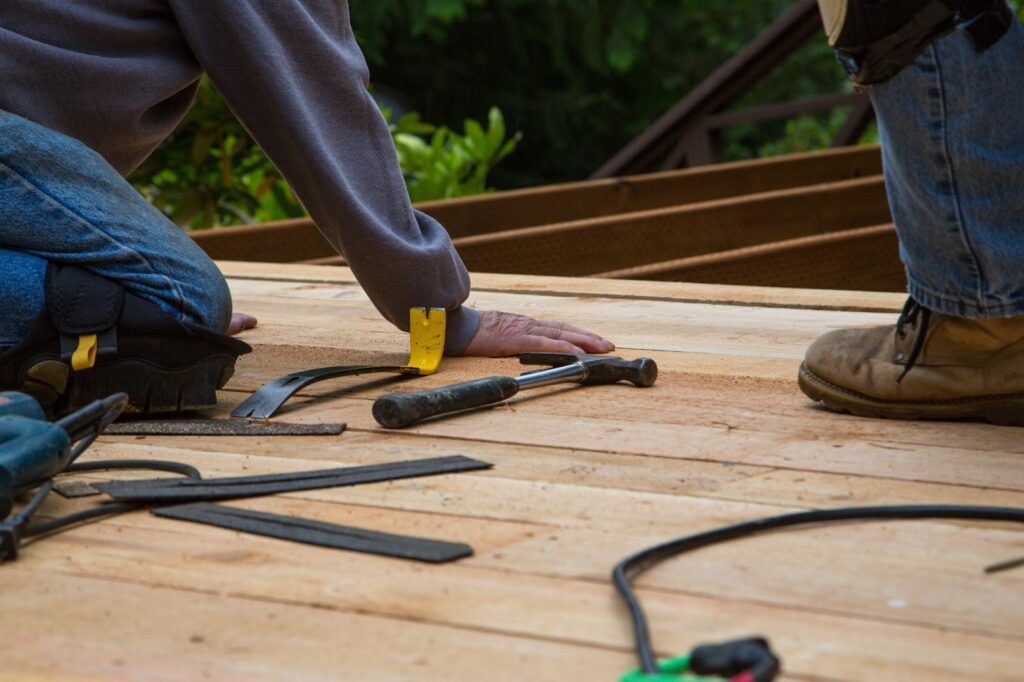
Natural wood brings warmth and classic appeal to outdoor spaces. Common varieties include cedar, redwood, and pressure-treated pine, each with different densities and moisture absorption. Wood expands more in humid conditions, requiring wider gaps during installation. Regular sealing minimizes water intake and controls swelling. Selecting seasoned or kiln-dried lumber enhances stability and minimizes long-term movement.
Composite Deck Boards
Composite decking combines wood fibers with plastic to improve durability. It expands primarily with temperature, not moisture, making spacing easier to predict. Manufacturers usually recommend gaps around 3/16 inch for the best results. Following these specifications prevents buckling and uneven joints. Additionally, composites resist fading and rotting, reducing maintenance time.
PVC Deck Boards
PVC decks are fully synthetic and resist water absorption. They are ideal for wet regions but expand more in heat. Installers must leave slightly wider gaps to allow for this movement. PVC’s lightweight design makes handling and cutting simpler. With proper spacing, these boards maintain a smooth, modern look for many years.
Installation Tips for Deck Board Sizing and Spacing
Accurate installation determines how well deck boards perform and align over time. Precise measurement, planning, and consistent spacing create a deck that lasts longer and requires less maintenance. Rushing through this process often causes costly mistakes. Attention to these key details ensures professional-quality results.
Planning the Deck Layout
Start with a square, level frame before laying any boards. Mark the layout lines clearly to maintain symmetry and proportion. Allow for slight overhangs at edges for a finished look. Pre-fitting boards helps spot irregularities before fastening—thoughtful planning results in a smoother and cleaner installation.
Tools for Consistent Spacing and Alignment
Simple tools like spacers, clamps, and chalk lines guarantee uniform gaps. Using hidden fasteners keeps the surface clean and visually balanced. Check spacing after every few boards to prevent drift over long runs. Adjustments during installation maintain precision across the deck. Consistent alignment enhances both performance and visual appeal.
Considering Temperature and Installation Timing
Temperature affects how deck materials behave during installation. Installing in mild weather prevents extreme expansion or contraction. Boards should be acclimated outdoors for a day or two before installation. That stabilizes moisture levels and reduces later movement. Proper timing keeps spacing true and prevents seasonal issues.
Professional Insights on Common Deck Board Mistakes
Many deck issues stem from sizing and spacing errors during installation. These problems include warping, cracked surfaces, and loose fasteners. Learning to avoid them improves longevity and safety. Professionals recommend carefully understanding material behavior and spacing guidelines.
Overlooking Expansion and Contraction
Ignoring material movement leads to boards pressing against each other and bending. All materials, especially wood and PVC, need a small buffer to expand naturally. Manufacturers provide exact spacing ranges for different climates. Respecting those tolerances prevents long-term damage. A slight adjustment during installation can save major repairs later.
Incorrect Fastening and Frame Preparation
Poor fastening weakens spacing consistency and causes uneven gaps. Fasteners should be corrosion-resistant and driven evenly into joists. Frames must be level and secured adequately before decking begins. Irregular frames lead to surface unevenness and noise when walked on—precision in fastening guarantees strength and visual uniformity.
Deck Board Sizing and Spacing for Comfort and Safety
Proper sizing and spacing enhance comfort and safety while walking or relaxing on your deck. Uneven boards or gaps can cause tripping or slipping hazards. Attention to surface uniformity keeps the area secure and inviting. Every deck should combine strength, beauty, and comfort.
Walking Comfort and Structural Feel
Board thickness affects how sturdy each step feels. Thicker boards create a firm surface that resists flexing under pressure. Even gaps allow rainwater to drain, keeping the deck dry and slip-free. Narrow, symmetrical boards add traction and visual flow. The result is a balanced deck surface that feels comfortable and stable underfoot.
Preventing Slippage and Weak Spots
Poor spacing or warping causes uneven walking surfaces that can become unsafe. Regular inspection helps detect loosened boards or weak fasteners early. Keeping gaps clear of dirt improves traction, especially after rainfall. Proper sealing reduces slickness and prevents water pooling. Consistent care and spacing protect both the deck’s appearance and user safety.
Shape Your Perfect Deck Board Fit
Every successful deck starts with accurate sizing and proper spacing. These details define how strong, stylish, and low-maintenance your outdoor space will be for years. By planning with intention and precision, you build more than a deck—you build reliability, comfort, and pride in craftsmanship. Begin your project focusing on fit and alignment, and your deck will reward you with lasting strength and effortless beauty.
Your next great project starts with knowledge. Head to the Saddleback Fence and Vinyl Products blog for trusted tips and practical deck-building advice.